Avian Influenza Update

Part I

I have previously written about the outbreak of avian influenza among mammals, and particularly the dairy farm outbreaks that were first noted in late March. We now have a lot more information.

The U.S. Department of Agriculture (USDA), the U.S. Food and Drug Administration (FDA), and the CDC as well as state agencies have been investigating more than 30 outbreaks in 8 states (including two dairy farms in Idaho) of highly pathogenic avian influenza (HPAI) virus [HPAI is a designation for any influenza virus that is avian (bird) in its origin and causes very high mortality rates in domestic birds and poultry. Historically, HPAI viruses have either been of the H5 or H7 variety, a reference to the antigenic nature of one of the key proteins of the influenza virus – hemagluttinin] on U.S. dairy farms that was first detected March 25, 2024 in Texas. It was initially discovered as a result of investigation into cows with signs of illness, such as decreased milk output, discolored and altered texture milk that more resembled colostrum, and decreased appetite. Updates on Highly Pathogenic Avian Influenza (HPAI) | FDA

The specific HPAI involved in these outbreaks is A(H5N1), often referred in shorthand to H5N1. The A refers to the fact that these avian influenza viruses are of the A type. There are four types of influenza viruses, conveniently named A, B, C, and D. A (other than the avian influenza viruses) and B viruses circulate across the globe in humans and generally cause seasonal epidemics annually. Influenza C generally causes very mild illness, and therefore, is not seen as a public health threat, nor is its activity tracked. Influenza D viruses circulate primarily in cattle, and we have not identified spillovers into humans. https://www.cdc.gov/flu/about/viruses/types.htm

The influenza vaccine provides protection against the specific strains of A and B viruses that we see evidence of as likely ones to cause our fall/winter influenza epidemic and usually covers 3 (trivalent) or 4 (quadrivalent) specific ones. Influenza A viruses are the only influenza viruses that have been identified as causing pandemics in the past (1918 – 1919, 1957, 1968, and 2009).

When dealing with influenza A viruses, we can further identify the strain by characterizing two key proteins that make up that particular strain of virus. By now, most people are aware of the spike protein of the SARS-CoV-2 virus, which is a key protein in binding to host cells to cause infection, but also a key target of the antibodies produced by immunization or by our bodies in response to infection. So, while the influenza virus does not have a spike protein, they all have two key proteins – hemagluttinin and neuramidinase, for which we refer to more conveniently as “H” and “N,” respectively. We then can refer to a specific influenza A virus by which particular H protein it has – there are 18 known subtypes and we conveniently designate the specific subtype as H1 – H18 – and the particular N protein it has – there are 11 known subtypes and they are similarly designated – N1 – N11. So, each particular influenza A virus will have one of the eighteen H proteins and one of the eleven N proteins, and thus far, more than 130 different combinations have been identified. https://www.cdc.gov/flu/about/viruses/types.htm

Thus, when we want to refer to a specific influenza A virus, you will see designations such as A(H_N_), with the specific protein subtype numbers filled in. Most of what we deal with in the U.S. with our usual influenza virus seasons, such as the one we just wrapped up, are A(H1,N1) and A(H3N2), and to a lesser extent one of the influenza B viruses. We saw infections with all three viruses this past flu season. With the pandemics of the past century, we saw H1N1 in 1918, H2N2 in 1957, H3N2 in 1968, and H1N1 in 2009.

To wrap this little primer up, we can refer to types of influenza viruses by their A, B, C, or D designation. Influenza A and B viruses that contribute to our yearly flu seasons are types of influenza viruses. Then, we can get more specific about the particular influenza virus by using its subtype designation A(H_N_) if we are referring to an A type virus or its lineage, such as B/Yamagata or B/Victoria when are referring to a B type virus. We can go further into characterizing influenza viruses by their specific genetic sequences (you may recall that with SARS-CoV-2, we have used their genetic sequences to identify them as specific variants, for example, JN.1 that caused our most recent huge surge in COVID-19 cases). The specific genetic sequences that we identify for influenza viruses, especially when we are doing outbreak investigations as we currently are, allow us to assign these viruses to clades, and even subclades. More on this later.

And, now, to get back to current events, the virus we are dealing with in these dairy farm outbreaks is A(H5N1).

Unlike poultry, and domestic birds in the typical outbreaks of HPAI infections, and more recently, what we have seen with many more mammalian species that have been infected over the past couple of years where the infected animals appeared to have, in many cases, developed neurological impairments followed by rapid decline and death, reports thus far have suggested that dairy cows have suffered relatively minor illness and seem to be making a full recovery.

There have been concerns about the safety of the commercial milk supply because it appeared that the infection primarily manifested as mastitis (infection of the milk glands) as demonstrated by the finding of very high levels of virus in the milk of infected cows. [Note: when you buy a carton or jug of milk at the store, that is not milk from a single cow and often not even from a single dairy farm, but rather pooled from many cows. If infections are sporadic and few, then pooling of milk does increase the chances that some of the milk might be from an infected cow, but it would also result in diluting of any virus that came from a single cow.] The USDA and FDA provided reassurance to the public that the pasteurization process (a rapid heating of the milk for a specific, but short, amount of time) is known to kill both bacteria and viruses and that it should be effective in killing (so as not to offend the sensibilities of any virologists or microbiologists who read this, it is not really killing because viruses were not “alive” to begin with, so technically, we are referring to inactivating the virus so that it is no longer infectious) should make any milk that made it to the market from diseased cows safe for human consumption, but as an additional precaution, diseased cows were being isolated from the other cattle and their milk was being discarded.

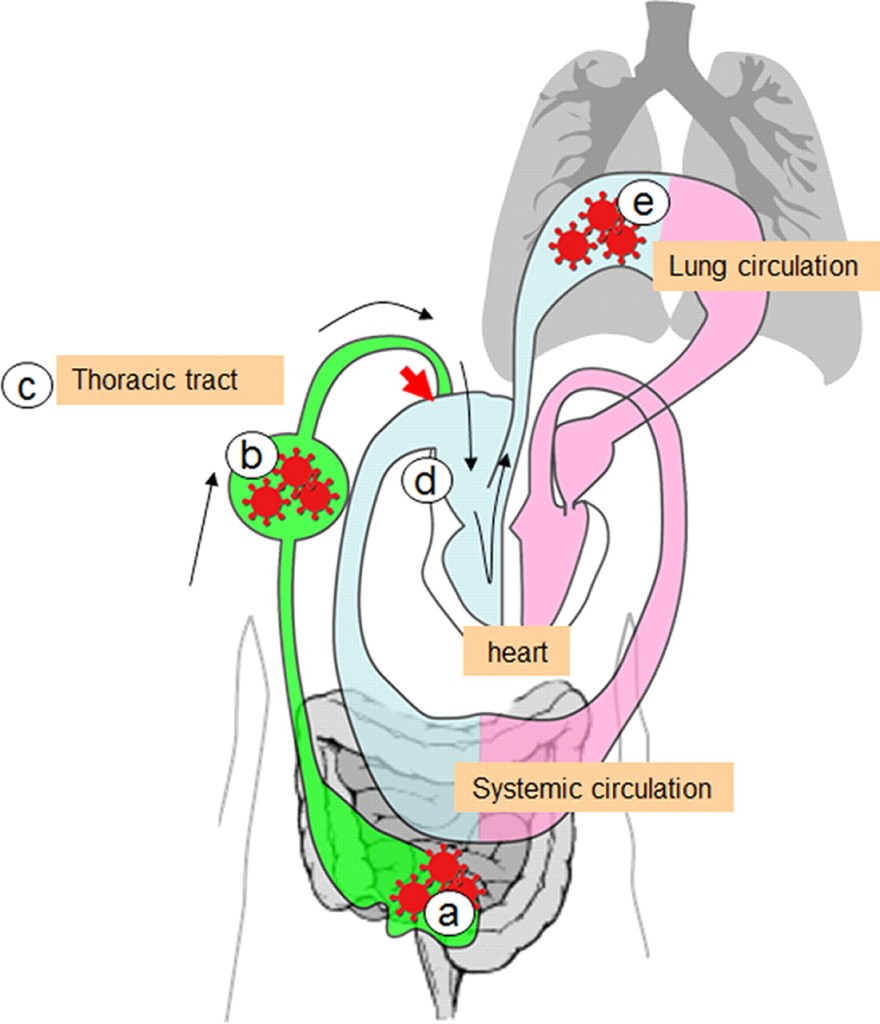
Nevertheless, this begs a number of questions that I will try to address below – (1) are we confident that the pasteurization process does inactivate all of the virus? (for extra credit, this question gets at the question as to whether pasteurization for A(H5N1) is equivalent to sterilization.) (2) If not (i.e., if pasteurization in this case does not result in sterilization), does it at least inactivate enough virus that there would not be enough present to cause infection in humans (technically, the amount of remaining infectious virus would be less than the infectious dose) (3) If the pasteurization process doesn’t inactivate all of the virus, but does reduce the amount of infectious virus below the infectious dose, might it still pose risk to immunocompromised patients or patients whose guts are disrupted by disease? (4) Do we even know that this virus can infect humans through ingestion? Would the virus survive the low pH (acidic) environment of our stomachs? Do we even have the right kind of receptors in our GI tracts to allow the virus to bind to cells, infect them and then cause disease?

So why is this concerning and why should anyone be interested?

  1. Avian influenza viruses do not transmit to humans efficiently, because we don’t have the correct biochemically structured receptors in our nose, throat and respiratory tract that allows the virus to bind with high affinity to infect our cells and cause disease (details on this below). However, we do have the correct biochemically structured receptors in the lining of our eyes, so human infection is possible, in fact, over years and across the world, slightly less than 1,000 people have been infected with this virus, usually when their occupation places them in close contact with infected birds or other animals for extended periods of time (farm hands, slaughterhouse workers, animal health workers, etc.).

Unlike the annual, seasonal influenza viruses that cause human disease, the mortality rate when human cases of avian influenza have been detected has been over 50%. On one hand, it is quite possible that we are only identifying more severe cases since many farm workers and slaughterhouse workers do not have great access to health care around the world and because, to my knowledge, there has not been any significant screening of workers to know whether there may be many more infections that are asymptomatic or causing mild illness. On the other hand, one would expect that most of these workers are likely to be young and healthy given the difficulty of this work, thus the high mortality rate is quite concerning.

  • Until the past couple of years, avian influenza viruses are generally spread by waterfowl to domestic birds and poultry. There have certainly been sporadic and isolated cases of infection in mammals, but generally this has been attributed to the mammal also being in close contact to domestic birds, coming into contact with the excrement of infected birds, or feasting on the carcasses of diseased birds. In the past two years, it has been absolutely astounding to see the vast range of mammalian species and numbers of animals that have been infected, clearly representing a change in the behavior of the virus or a change in the environment that is promoting transmission of the virus, or both.

The recent and wide-spread infection in U.S. dairy farms and the infection of a farm worker in Texas has increased the concern that the virus may be adapting to enhanced transmission in mammals and that with the diverse species being infected and large numbers being infected, the risk for mutations and reassortments that might promote transmission to and among humans is increasing. This could pose a pandemic threat if the virus were to develop the changes necessary to transmit efficiently among humans because the entire population would likely be susceptible to infection since we are not expected to have any preexisting immunity to this virus (prior influenza A infections and immunizations in humans are with virus strains that are not similar enough to confer any significant degree of protection to our current knowledge).

I am guessing that this is a lot to digest, so I will publish a Part II later today. Right now, it is time for me to go have fun with the grandkids.  

Comprehensive Update on SARS-CoV-2 and COVID-19

This blog post continues a blog series providing a comprehensive update on COVID-19 and the virus that causes it. The last blog post in this series addressed the effectiveness of ivermectin in treating COVID-19. We reviewed well-designed, well-conducted studies that clearly established:

  1. Ivermectin was not effective in shortening the course of illness;
  2. Ivermectin was not effective preventing worse clinical outcomes with SARS-CoV-2 infection; and
  3. The lack of benefit was not only at standard dosing, but at high doses.

As I concluded, while I question the motives of many of the physicians and organizations that pushed ivermectin as a cure-all for COVID-19 beyond 2020 as vaccines became available and clinical trials were already casting doubt on the effectiveness of ivermectin for COVID-19, my objection to those prescribing it were largely based on the following:

  1. The purported benefits were being overhyped and oversold, without informed consent of patients.
  2. Even as data continued to amass from high quality studies that ivermectin simply was not effective against COVID-19, the fact that many of these same doctors continued to promote it that suggests to me that their assessment and promotion of ivermectin was never, or at least no longer, based on science, but either their egos and attempts to preserve their reputations are getting in the way of admitting they were wrong or they are continuing to personally benefit from pushing the use of ivermectin.
  3. My biggest concern was that while promoting ivermectin, they were attacking proven options that people had to protect themselves against severe disease including non-pharmaceutical measures and vaccines as ineffective and dangerous.

As I stated in that blog piece, I hope we can now put a stake through the heart of the notion that ivermectin has a role in the therapeutics for COVID-19. But, could these rogue doctors and anti-vax organizations have been right about hydroxychloroquine, even if wrong about ivermectin? Well, the hydroxychloroquine story is worse. Science has put the nails in this coffin.

No medication is without potential side effects and adverse events (side effects are unpleasant symptoms you might experience such as with Paxlovid when people report an unpleasant after-taste, while adverse events are harms, sometimes minor and temporary such as the potential for anti-inflammatory medications to cause impairment to kidney functioning, but other times, these harms can be more serious or longer-lasting). Early on in the pandemic, in my cautions to persons who told me that they intended to seek out ivermectin and/or hydroxychloroquine from some of these sketchy telemedicine services where you fill out a form, pay a lot of money, and then get a prescription, I would often hear back as the rejoinder – “even if it doesn’t work, what’s the harm?”

I tried, almost always unsuccessfully, to point out what the harms could be and the fallacy of their argument:

  1. All medications have potential side effects and potentially can cause adverse events. When prescribed by a physician, we generally help patients weigh the risks of leaving their disease untreated versus the risks of taking the recommended medication. Even with safe and effective medications, there are risks, but these risks are generally much less than those posed by not treating the patient’s disease. Ivermectin is generally well-tolerated, but it too has risks. When used to treat diseases that we know it is effective against, usually patients and physicians will agree that the risks of ivermectin are greatly outweighed by its benefits in treating the condition.
  2. If a medication has no clinically significant benefit in treating a disease, then the benefit (zero in this case) never outweighs the potential risks of the medication, no matter how minor or rare.
  3. Finally, a tactic that I have used as an attorney in weighing credibility of witnesses, as a CEO in weighing the credibility of different arguments for a decision that needs to be made, and during the pandemic for assessing which physicians were trusted voices on COVID-19 is to examine the totality of their statements and actions for what I refer to as internal inconsistencies. In this case, I would attempt to point out the internal inconsistencies of those wanting to take ivermectin or hydroxychloroquine and asking what the harm in doing so would be, by pointing out their desire to take a medication with no proven benefit while giving no consideration at all to the potential side effects and adverse events, while refusing a vaccine and ignoring all of the documented benefits while obsessing over the relatively minor side effects and rare adverse events, without any weighing of these risks against the risks of getting COVID-19.

Now, lets look at three studies that are well-designed, well-conducted, and like the case of ivermectin, should cause anyone willing to be guided by the science rather than ideology, to agree that hydroxychloroquine was not only ineffective in the treatment of COVID-19, but unlike the case of ivermectin, people were hurt by hydroxychloroquine.

  1. Effect of Hydroxychloroquine in Hospitalized Patients with COVID-19. The RECOVERY Collaborative Group. https://www.nejm.org/doi/full/10.1056/NEJMoa2022926. The RECOVERY TRIAL

This was a randomized, controlled, open-label trial comparing various possible treatments relative to usual care in hospitalized patients with COVID-19. 1,561 patients were randomized to the hydroxychloroquine group and 3,155 to the usual care arm. The primary outcome was 28-day mortality.

The enrollment of patients for the hydroxychloroquine group was closed on June 5, 2020 after early results already established that there was no benefit to treatment with hydroxychloroquine. Let me emphasize this point. We knew from a high-quality trial that hydroxychloroquine did not benefit patients who were hospitalized with COVID-19 as early as June 5, 2020, yet a number of physicians making appearances on cable networks and in their social media continued to push this as a treatment for COVID-19.

Death within 28 days occurred in 421 patients (27.0%) in the hydroxychloroquine group and in 790 (25.0%) in the usual-care group (rate ratio, 1.09; 95% confidence interval [CI], 0.97 to 1.23; P=0.15). Further, patients in the hydroxychloroquine group were less likely to be discharged from the hospital alive within 28 days than those in the usual-care group (59.6% vs. 62.9%; rate ratio, 0.90; 95% CI, 0.83 to 0.98). Among the patients who were not undergoing mechanical ventilation at baseline, those in the hydroxychloroquine group had a higher frequency of invasive mechanical ventilation or death (30.7% vs. 26.9%; risk ratio, 1.14; 95% CI, 1.03 to 1.27). There was a small numerical excess of cardiac deaths (0.4 percentage points) but no difference in the incidence of new major cardiac arrhythmia among the patients who received hydroxychloroquine.

Importantly, the results were consistent across subgroups according to age, sex, race, time since illness onset, level of respiratory support, and baseline-predicted risk, in other words, this was not just the case for the elderly. The same results were obtained in young and middle-aged adults.

The authors concluded that the patients who received hydroxychloroquine had a longer duration of hospitalization and, among those who were not undergoing mechanical ventilation at baseline, there was a higher risk of invasive mechanical ventilation or death than for those who received usual care.

In this study, patients hospitalized for COVID-19 were randomized and assigned to receive one of four repurposed drugs (one was hydroxychloroquine) or assigned to the control group. This study included 11,330 patients hospitalized for COVID-19 at 405 hospitals in 30 countries. 947 patients were assigned to receive hydroxychloroquine. Death occurred in 104 of 947 patients receiving hydroxychloroquine and in 84 of 906 receiving its control (rate ratio, 1.19; 95% CI, 0.89 to 1.59; P=0.23). For patients not already receiving mechanical ventilation (on a ventilator to assist with breathing), 75 patients receiving hydroxychloroquine progressed to the need for ventilator support compared to 66 in its control group. Further, there was no evidence to suggest that treatment with hydroxychloroquine reduced the time to recovery.

The authors concluded: “For hydroxychloroquine, the joint rate ratio for death (combining the Solidarity and RECOVERY trials) was 1.10 (95% CI, 0.98 to 1.23), with no apparent benefit whether the patient was receiving ventilation or not. This confidence interval rules out any material benefit from this hydroxychloroquine regimen in hospitalized patients with Covid-19.”

This study was a randomized, controlled, double-blinded trial that unlike the two studies above that examined hydroxychloroquine’s efficacy in treating hospitalized patients, evaluated its effectiveness in treating outpatients with COVID-19 who were not seriously ill. All study participants had at least one risk factor placing them at risk for progression to severe disease. The primary outcome for this study was the need for hospitalization by day 30 following the initiation of treatment.

From May 12, 2020 to July 07, 2021, 1372 patients were randomly allocated to hydroxychloroquine or placebo. There was no significant difference in the risk of hospitalization between hydroxychloroquine and placebo groups (44/689 [6·4%] and 57/683 [8·3%], RR 0·77 [95% CI 0·52–1·12], respectively, p=0·16).

Of note, I mentioned above that the investigators suspended the RECOVERY trial on June 5, 2020 because of the lack of evidence of benefit from hydroxychloroquine based on the ethical premise that it would be inappropriate to continue to allow study participants to be treated with hydroxychloroquine. Similarly, in the SOLIDARITY study, the World Health Organization suspended the hydroxychloroquine arm of this trial on June 17, 2020 due to lack of benefit and the same ethical principles. Yet, a relatively few doctors with large social media followings, continued to make these claims for years afterwards.

To be clear, if people don’t want to take the COVID-19 vaccines, I support their right to decline them. If people don’t want to take any precautions against getting infected, I support their right to do so, but I do ask that they protect others when they get infected. What I object to is physicians, all the while promoting their faculty positions, their training at prestigious medical schools, their board certifications, etc., purposefully misleading and deceiving the public for their own ideological or financial or whatever other personal gain. I think that our duty as physicians is to inform the public and our patients with facts, the best medical evidence and the best recommendations of our collective professional organizations so that they can make informed decisions as to what is the best course of action for them. As physicians, we should NEVER manipulate the public or our patients into making ill-advised decisions. If patients are provided with good information, but want to decline our advice, that is their choice to make.

We’re having the wrong conversations

This is a major change for me today. I have used my blog to share medical science, health law analyses, public health information, and health care policy for more than a decade. I try to minimize its use as a soapbox or opinion page. But, today is different. My heart is heavy. I see things going in a dangerous direction and prominent people are gaslighting the public, distorting the truth and misleading the public.

I am watching the perversion of labels to achieve extreme positions legislatively. For example, “medical freedom.” Who couldn’t be in favor of that? Yet, how it has evolved is to give a minority of privileged persons complete latitude to do as they please without regard to the fact that they live in a society. Their medical freedom has come at the expense of most of the rest of us. Early on in the pandemic, I often was asked, “why not just have old people stay at home, and let the rest of us get back to our daily lives?” My answer was: “Many ‘old’ people have very active lives. Many of these people still work. Many volunteer and provide important services at schools and for non-profits. Even for those fully retired, they want to go to the grocery store and get their hair done. Many want to go to church or synagogue or temple. They still have to go to doctors, the dentist, the pharmacy, hospitals, and the eye doctor. Many are grandparents, helping out their adult children who are working full-time by babysitting, taking grandchildren to school, or helping them with homework or remote classes when schools are closed. Many older people also rely on these younger people that you suggest should get on with their lives and get exposed to a dangerous virus or infected. They may provide older people with transportation; they work in doctors’ offices and grocery stores. They provide home repairs and housekeeping. And, many older people are in assisted living or nursing homes. Younger people are providing their meals, their medications, and assistance to these older people with activities of daily living.” It may have seemed an innocent question, but it reflected a cruel insensitivity to older people who contribute greatly to society and the economy.

“Medical freedom” also reflected a disregard for the frail, the infirm, the disabled and the immune compromised among us. It really is a question as to whether we value all lives or just some lives. It resulted in immunocompromised persons having to choose which activities (activities that most of the privileged medical freedom advocates generally wouldn’t think twice about) they were willing to risk their health or even their lives to do.

I provided advice to a number of people who fell into this category – a father of young school-aged children who was on immunosuppressive medications due to a liver transplant; a mother of school-aged children going through chemotherapy for breast cancer, a person with a severe immunodeficiency that meant she could not make antibodies on her own or in response to infection or vaccination, and another who had two immune deficiencies that would mean she was very susceptible to viral infections and unlikely to be able to clear the virus on her own, just to name a few.

These people were not worried about whether they could keep themselves safe at home by themselves. They were worried about whether their children were going to be at high risk of exposure at school and then bring the virus home to them as they cared for their sick children. It was not as much a concern for their own wellbeing as a concern of leaving the child orphaned. They were not worried about being safe at home, but rather what would they do when they eventually would need medical attention and have to go to a doctor’s office or emergency room where there are almost certain to be infected persons and few if any people wearing masks. They were worried that a hospitalization could mean death for them, not from their underlying health condition, but because there would be people infected at the hospital that could easily transmit the virus to them, including the people caring for them.

As a long-time health care executive, I have always worked to make hospitals safer for care for patients who were in need of hospital services than it would be for them to be cared for at home. Now, I was having to counsel people who were putting off getting needed care, trying to determine when the virus would be at the lowest circulating levels in the community or how we could provide the care they needed at home, even though less desirable under normal circumstances. Working with one of these patients, we kept her from getting infected for four years. Ultimately, she had to see an ophthalmologist for a significant eye problem. We discussed all the measures she could take to protect herself, but in the end, acknowledged that we can’t control who is also in that office and whether they are being compliant with infection control measures. She wore her N95 mask. We tried to time her appointment to when the least number of people would be in the office. She got infected. She became severely ill. She was hospitalized and was in great distress for a protracted period of time. She is now home and still ill, barely able to move about the house of climb stairs, or even take the trash out. Someone in that office exercised their freedom not to wear a mask or not to stay home with minor symptoms, but someone else lost the very little freedom she had left.

So that these privileged folks can have their “medical freedom,” we have young children getting dangerous virus and bacterial infections that we had all but eliminated with highly effective, safe vaccines. We now have had more measles cases in just the first four months of this year than we had in all of last year. Some of these children will die for some privileged people to have their “medical freedom.”

We live in a society where we all abide by certain rules because they benefit us all. I might want the “freedom” to throw a loud party in the middle of the night with a live band and for all of us to spread out on my neighbors’ lawns and the convenience to just leave our trash on the ground for someone else to pick up, but we have rules about all of these things so that my neighbors won’t do the same things to me and my property. We give up many “freedoms” (the right to drink excessively and then get behind the wheel of a car, the right to let my dogs run freely around the neighborhood off their leashes, the rights to walk into certain restaurants without shoes) because it keeps us all safe or promotes the efficient functioning of society. But there is an alarming self-centeredness that expresses itself through mantras like “medical freedom” in the disregard for others, even more hypocritical when some promoting this philosophy proclaim their Christian values.

These same people promoting “medical freedom” are actually working hard to restrict medical freedoms for others by attempting to pass laws that prevent most businesses from implementing public health measures that would protect their employees and customers. Some in the Idaho legislature were not content with laws that would preclude so-called “vaccine mandates” seeking to outlaw mRNA vaccines of all types for all purposes, so that those who wanted the protection would not have that freedom to get vaccinated.

I am all in favor of competent adults having the freedom to make medical decisions for themselves. However, there need to be protections for the rest of society. If this notion offends you, consider whether you would be fine with someone with an active infectious disease that could be very serious for you or your child exercising their freedom to come to work or school and infecting you and your family. For example, are you okay with someone with hepatitis A coming to work and preparing your child’s meal at school? Are you okay with someone with active tuberculosis coming being around you and your kids? With rights come responsibilities.

I have observed how often many who promote these and other dangerous ideologies tell you exactly what they are doing by deflecting blame on others. I noted one purveyor of disinformation during the pandemic making a comment that the way to disrupt society is through public health. The context was that various public health measures taken had disrupted society, but it hit me like a ton of bricks that this likely underlies the efforts that I have seen, but couldn’t understand why at the time, elected leaders were putting doctors who were clearly pushing disinformation in various levels of government from public health boards, to state office, to even White House advisory positions. Of course, we have seen a similar strategy for other political purposes to put people with extreme views on school boards and we are seeing how that is playing out.

The latest thing that pushed me to write this cathartic blog post was the recent statement by House Speaker Mike Moyle of the Idaho Legislature that he thought that abortion bans passed by the Idaho legislature were more likely used as an excuse for the mass exodus of obstetricians and maternal-fetal medicine specialists from Idaho than being the cause of it.

Dr. Amelia Huntsberger does an outstanding job of eviscerating that argument and attempt to avoid accountability for this serious threat to health care in Idaho in her commentary in the Idaho Capital Sun that you can read for yourself here: https://idahocapitalsun.com/2024/04/16/if-you-arent-sure-why-doctors-are-leaving-idaho-its-because-youre-not-listening-to-them/.

The public may not realize how big a threat the Idaho abortion law carries to physicians and to many in the public. There are wide-ranging beliefs and opinions among the general public, and among doctors, as to when (never, not after 6 weeks, not after 15 weeks, etc.) and for what reasons (no exceptions, exceptions for rape, incest, etc.) women should be able to have the choice of whether to carry a pregnancy. There is a lot of room there for ethical, moral, religious and medical debate.

I am a life-long Republican (not what Republicans stand for today), a devout Christian (not a Christian Nationalist), and I certainly have my own thoughts and opinions on the subject. However, having zero chance of becoming pregnant myself and having raised two independently-minded, very bright daughters and having been married to a very strong-minded woman for nearly 44 years, it never occurred to me that I should tell women what they can or cannot do or what they should or should not do; and to my great surprise, no woman has asked me for my opinion. I actually trust women to make the right decision for their circumstances with their doctor, counselors and others important to them.

I am also fine if the vast majority of voters want to set out certain limits on these elective terminations of pregnancy (i.e., the decision to terminate a viable pregnancy for reasons other than the health of the baby or the mother or what some might refer to as an “unwanted pregnancy”).

But, this is not what I want to talk about and I am not offering my two cents on whether there should be such a law, and if so, what those limits should be.

What I want to discuss is termination of a wanted pregnancy. These are very different circumstances and I think we do the public a disservice by lumping all terminations of pregnancy together as “abortions.” I have never been involved personally or professionally with a purely elective termination of pregnancy – the “unwanted pregnancy,” if you will. However, I have dealt with many people who desperately wanted their babies, but tragically something intervened. I am sure everyone reading this knows someone who was trying to get pregnant, finally got pregnant and then had a miscarriage. Perhaps someone reading this has had a miscarriage themselves. It is a terrible loss, and I don’t know anyone who miscarried who wasn’t trying to do everything they could to ensure the baby was healthy and made it through the entire pregnancy. Often, this happens before the first time the monitor is placed over the baby to allow the soon-to-be parents to hear the baby’s heartbeat or the first ultrasound that visualizes their baby moving, kicking, or possibly even sucking a thumb. These are occasions that cause parents to connect and bond even more closely with the developing infant.

But, sometimes, that ultrasound or a future one is not the cause for joy that it normally is. Sometimes, the obstetrician notices a terrible problem with the development of the baby. These can happen for all kinds of reasons, sometimes genetic, sometimes, an underlying illness of the mother, sometimes we have no idea why. It is heart-breaking for all. From my personal experience, learning that the baby would not survive until delivery, or if so, the baby would die soon after was no different from how I imagine I would feel if I was told that my living child had a terminal illness and would die within months. This is not news anyone wants to hear. Parents, siblings, grandparents were all looking forward to the addition to the family, the baby they have picked out clothes for, the baby with a crib and room all ready for the new arrival, the gender reveal plans, and the upcoming baby shower with friends and family.

For legislators to decide that that woman must now carry this baby until delivery or until the mother is at imminent risk of dying herself, with the parents, siblings, coworkers and friends being reminded everyday of the woman’s pregnancy is extremely cruel. Other than obtaining political points, what is the benefit of forcing the woman to carry a non-viable pregnancy? What is the benefit of placing the mother’s own health at risk – risking hospitalization, increased health care costs, more emotional distress, potentially her future reproductive abilities and perhaps eventually her own life? The pregnancy does not become more viable with time. Legislators are not being literally “pro-life” by needlessly endangering a woman’s life to no end or purpose – the baby still will not survive no matter how long it remains in the womb.

There are also situations where the problem doesn’t show up on those initial ultrasounds. Conditions can arise where the baby is not viable, but the mother has developed bleeding or may be showing early signs of infection. Prior to the law, women could decide whether to carry the nonviable baby or to go ahead and terminate the pregnancy since the baby will not survive with the medical problems identified. Prior to the law, when the infant was determined to not be viable and the mother was experiencing bleeding, blood pressure problems, or early signs of infection, the woman with the advice of her physician could decide whether to proceed with terminating the pregnancy to stop the bleeding, the uncontrolled blood pressure or the infection from progressing. No longer is this decision left to the parents. The legislature has taken that freedom away. Now, none of this can happen until the physician is quite certain in the ultimate game of second-guessing that the legislature has put doctors in that a prosecuting attorney, judge and jury will all agree that without the termination of pregnancy the woman would have died. The gamble if these non-obstetricians disagree is a felony conviction, imprisonment, and loss of livelihood.

All of us in medicine have been wrong in our judgment of when someone will die. I remember distinctly treating a man who was vomiting up blood. I had given him fluids, blood transfusions, stabilized his vital signs, and the gastroenterologist had identified the location of bleeding and treated it. The patient told me, “I am going to die tonight.” The man was stable. He had been in the hospital many times for this same problem and it was successfully treated each time. I knew that his underlying medical problems would shorten his life, but there was no indication that he would die that night and I reassured him as I went on to care for my next patient. Sure enough, that night, he had a cardiac arrest and died. On the other hand, I was caring for a young father with a horrible cancer. All of our treatments had failed. I very much doubted that he would survive the next 24 hours. I called his wife to tell her that she might want to come to the hospital just in case. He lived another week. As experienced physicians, we are often wrong as to the exact day and hour someone will die. We certainly don’t want lay persons deciding whether we called it right or alternatively, we should be imprisoned. To do so almost assures that we will error on the side of waiting longer. That is why doctors are leaving. It is against everything we stand for to watch a suffering patient and take no action. We treat patients to try to avoid the outcome of death in patients who are not terminally ill. To expect us to wait until someone is in the active dying process to intervene is completely contrary to our values, our motivations for going into medicine and our training.

Well, I am emotionally exhausted just from writing this. We need to decide what kind of society we want. We need to decide if it is important for the rest of us to have the freedoms we have previously enjoyed or are willing to have them taken away. Even the most strident pro-life advocate can have a change of heart when one of these situations comes to fruition with their child or grandchild. If we want parents to still have their previously held freedoms in the instances where the pregnancy is very much wanted, but the baby is not viable, we need to speak up and we need to turn out to vote. I am not advocating for or against any restrictions on purely elective decisions to terminate a pregnancy. I am trying to make the case for not making situations where the baby is very much wanted, but it is not possible, more traumatic for mothers and families and not threatening doctors with imprisonment for trying to help these people in the time of incredible hurt, fear and suffering.  

Now, back to medical science and public health…

Can We Finally Put the Stake Through the Heart of Ivermectin as a Treatment for COVID-19?

I am returning to my blog series on a comprehensive update on SARS-CoV-2 and COVID-19 after a brief interruption caused by urgent developments relating to avian influenza outbreaks on U.S. dairy farms.

Even so, I wasn’t planning to cover treatments for COVID-19 just yet, but I am addressing this now, because like the vampire Dracula, the hype around ivermectin and hydroxychloroquine just won’t keep reappearing in the darkness of night. The Tennessee state legislature and governor made ivermectin available over the counter without a prescription a couple of years ago, a number of states are pushing similar legislation, there have been anti-science legislators in some states trying to protect doctors who prescribe ivermectin inappropriately from discipline by state medical boards, there have been misrepresentations and misunderstandings about the outcome of a lawsuit against the FDA over ivermectin, and some of the doctors who have been repeatedly wrong on the science have been doubling down on ivermectin as a preventative or treatment for COVID-19 in public forums lately.

Ivermectin was an interesting and theoretically possible candidate medication for use against the SARS-CoV-2 virus based upon in vitro (i.e., in the lab, in test tubes, but not in animals or humans) tests. While some doctors jumped on this and promoted it as an effective treatment, most of us realized that many times medications may appear to have benefit in the laboratory, but fail to show benefit in real life, and in some cases may even prove harmful in humans, and so we held out hope while we awaited results from well-designed and peer-reviewed clinical trials. Personally, my objection was not so much that some doctors were prescribing this medication, but rather they were promoting it while discouraging people from taking preventive measures and treatments proven to be effective.

So, we will review here some of the best designed and controlled studies that now conclusively show that ivermectin is not effective in preventing or treating COVID-19 to anyone who is objective and knows how to interpret the scientific literature.

But first, to quote the song lyrics from a big hit by The Who (the musical group, not the World Health Organization): “Then I’ll get on my knees and pray we don’t get fooled again,” I just want to offer some thoughts to people who might have been duped by those touting ivermectin as a cure-all, but don’t want to get duped again in the future.

I don’t know if I will be around for the next pandemic, although it looks increasingly likely that I will given how quickly new threats are emerging, so I will share with you how I could easily spot these physicians and not fall for their disinformation so that you can as well:

  1. Always right about everything, even when proven wrong. Anyone who listened to me for the past four years knows that there were times that I admitted that I got something wrong about the virus, was wrong in my predictions about what was unfolding, or admitted that things happened that I simply could not explain. So, too, all of the scientists and physicians that I respect have admitted they have been wrong at times during the past four years, something that should be expected with a novel virus acting very differently from past viruses over such a protracted period of time. On the other hand, I have never heard one of the disinformation purveyors admit to being mistaken about anything, even when confronted with the evidence that they were wrong. Beware of people who are never wrong and never in doubt.

2. Reliance on anecdotal evidence. It was very common to hear statements to the effect of “Every patient I treated did well,” or “I treated [fill in the blank] patients and no one got sick.” First of all, in some of these cases, the doctor who was touting this essentially 100 percent success became ill with COVID-19 themselves, so that undermines the argument a bit, I would think. Second, ask any experienced, reputable doctor you know and ask them if any preventative or treatment they have prescribed has worked for every patient. I can’t think of one right off the top of my head.

It didn’t come out until later in many cases, that some of these doctors did not have practices where they actually followed patients over time. They may have conducted a telehealth visit, may have seen the patient in an urgent care setting, but then didn’t provide follow-up to these patients, so they often were not in a position to know whether those patients did well. In one case where the physician did not see patients in person or in an office setting and had no hospital practice, the physician was touting his essentially 100 percent success to the public, while emergency room physicians and critical care doctors were informing me and others that some of that physician’s patients were turning up in the hospital very sick from COVID-19, and in some cases, sadly died.

Further, if you have a disease for which most people recover and do not require hospitalization, especially young people without underlying medical conditions, it takes large numbers of patients treated compared to a similar number of controls and over a longer period of time to evaluate whether a medication intervention truly made any difference. Let’s take an example to make this point clear. Let’s say that early on in the pandemic, I provided advice to 100 people who are in their 30s and 40s, in great health, and able to work from home and home school their kids. They decided that for a month or two, they could avoid most public gatherings and were willing to wear N95 respirators when out in public. Now, I told them that the key is for them to eat one handful of M&Ms each day. They all happily agree to do so and none of them gets COVID-19 and none of them gets hospitalized for COVID-19. Success! No, these are people at low risk who are implementing public health measures known to protect them from infection and it would not be expected that many of them would get infected and not expected that any would get seriously ill if they did. You can imagine that if I had a control group of people the same age, the same good underlying health and the same willingness to comply with these public health measures, but I told them that it is imperative that they never eat a single M&M during the period of the study, they too would still have the same outcomes. So, the M&Ms did not have some amazing antiviral properties (darn it!) in humans based on that anecdotal experience. These folks were just at low risk and willing to avoid exposure-prone settings.

This is the problem with these doctors’ anecdotes: we don’t know the age range and health status of the people they treated, there was no comparison group and people at low risk continue to be at low risk even if you offer them medicine. And, if you treat people, but don’t follow them up, and don’t know that they showed up to an emergency room or were hospitalized, then you don’t really know that your treatment was effective.

3. Another big clue is when the company that makes the medication that would greatly benefit from increased sales of the medicine puts out a public statement that its own scientists find no evidence to support the use of the medication. This is one of the principles we use in law when we assess the veracity of witness statements. When the witness admits to something that is against their own interests, then it has a greater likelihood of being a truthful statement. Discouraging use of their medication as a preventative or treatment for COVID-19 is actually against their best interests in terms of sales and stock price.

4. On the other side, you may have to do some digging, but you can often find ways that intentionally deceiving people is benefiting the person promoting the disinformation. They may be getting large numbers of followers on social media and as a consequence advertising revenue. Some of these doctors began selling their own vitamins or supplements to help protect people who were wanting to avoid becoming ill or to treat the illness, even as those doctors were discouraging people from using proven methods. Some were getting lots more attention than they had before getting opportunities by elected leaders to talk at legislative hearings, committees or other gatherings, and to have pictures taken with elected leaders or sound bites in clips that they could share on their social media sites. Some got government positions themselves. Many began travelling and speaking at conferences all over the world and on cable news shows that further increased their social media presence.

5. Often, if you do follow their social media or listen to their presentations, it won’t take long until they say things that are demonstrably false about another issue besides ivermectin that should then cause you to doubt whether you can trust what they are saying about the drug they are promoting, and even more often, you will soon see that their talking points and social media posts take on a definite ideological bent and political bent, rather than being scientifically objective.

6. I have not seen any situations where these doctors have been willing to disclose their potential financial conflicts of interest. Very early on, I explained very clearly and in depth about any potential financial conflicts of interest that might apply to me. To my knowledge, these doctors have not disclosed their advertising revenue, speaker’s fees, who pays for their travel, revenues from selling supplements, etc.

7. There often are some other clues. Readers of my blog know that I often cite to the scientific studies that I explain to readers so that you can read the articles for yourself. Purveyors of disinformation often will not tell you what study or studies they are relying on, or when they do, they tend to refer you to some website that has an overwhelming list of studies of poor quality and they will not tell you which specific one you can look to in support of the assertion they are making, counting on the fact that few people have the time or expertise to sit down and read through a hundred articles that are often exhausting to read because they have so many flaws. Many of these articles appear in what we call “low impact” journals, in other words, not the journals that scientists most rely on for their information. Many times, articles they reference were submitted, but then later retracted. In one case, where I will give the person credit that he would at least provide us with the article he was mischaracterizing, I could usually find on short order where he was completely misstating what the authors of the paper stated. I think he just counted on the fact that most people would only read what he wrote and not take the time to read the paper, and in fact those same readers were likely to give his words greater weight because he also attached a reference paper, counting on the fact that most people would not read the publication for themselves.

8. These doctors also tended to use hyperbole and exaggeration, and an often-tell-tale clue is their use of emotional and inflammatory rhetoric. I have had discussions with anti-vaxxers and anti-maskers that have been quite civil. I enjoy learning how others are looking at the world and making decisions. I almost always learn something from talking to them. I had an anti-vaxxer who was raised by antivax parents recently tell me that because I did not demean people who were antivax or vaccine hesitant, and because I acknowledged that there were legitimate reasons for people to have concerns, but nevertheless presented the data and helped explain that all of these decisions are ones of weighing risks, because there are risks to not being vaccinated, that not only did she get vaccinated, but she has gotten her children caught up with their vaccines. There really is no need to vilify either doctors or parents who are trying to do the right thing and make the best decisions they can.

I consider that when I offer medical, legal or public health advice, that is all it is – advice. It is fine with me when people decide not to take my advice. I have relatives who have decided not to take my advice, and that is fine because they should be making their own decisions. I have enough decisions that I have to make in my own life; I certainly don’t need to be controlling anyone else’s. But, when people spreading misinformation for personal gain are challenged by experts or people express disagreements, you often see these exchanges become very emotional, nasty, mean-spirited, or result to insults, likely because they don’t have the facts on their side and they see the threat to whatever the personal gain is they are getting from their deception if they are exposed for what they are.

To be clear, I have no problem with competent adults who want to be deceived being deceived. This can be an important psychological defense for some people. I don’t think it is a healthy defense, but if they think that is the best route for them personally, then fine with me. But, for those who are trying not to be deceived, other clues are when the medical schools the doctor has attended disavow themselves of the doctor’s statements, state medical boards have taken disciplinary action, national specialty boards have revoked their board certification, hospitals have removed the physicians from their medical staffs, or you begin seeing any number of reliable fact-checking sites identifying the doctor’s statements as false.

Now, let’s get into some of the evidence that ivermectin was not effective to prevent or treat COVID-19.

  1. Reis, G., Silva E., Silva D., et al. “Effect of Early Treatment with Ivermectin Among Patients with COVID-19.” New England Journal of Medicine 386, no. 18 (2022): 1721 – 31. https://www.nejm.org/doi/full/10.1056/NEJMoa2115869.

This was a double-blind, randomized, placebo-controlled study involving symptomatic SARS-CoV-2–positive adults recruited from 12 public health clinics in Brazil. Patients who had had symptoms of COVID-19 for up to 7 days and had at least one risk factor for disease progression were randomly assigned to receive ivermectin (400 μg per kilogram of body weight) once daily for 3 days or placebo.

The primary outcome was worsening of their COVID-19 reflected by the need for an emergency department visit or the development of severe disease reflected by the need for hospitalization occurring within 28 days after their randomization to receive ivermectin or placebo.

There were 679 patients randomized to receive ivermectin and 679 who were randomized to receive a placebo (a pill that would look identical to the ivermectin, but have no medication in it). Overall, 100 patients (14.7%) in the ivermectin group had a primary-outcome event (ER visit or hospitalization), as compared with 111 (16.3%) in the placebo group. Of the 211 patients that worsened, 171 (81%) required hospitalization.

The outcomes in these two groups were not statistically different (i.e., not any different than what might occur by chance), meaning that in this study, the recipients of ivermectin did not benefit from ivermectin treatment.

2. Lim, S., Hor C., Tay, K. et al. “Efficacy of Ivermectin Treatment on Disease Progression Among Adults with Mild to Moderate COVID-19 and Comorbidities: The I-Tech Randomized Clinical Trial.” Journal of the American Medical Association Internal Medicine no. 4 (2022): 426 – 35.https://pubmed.ncbi.nlm.nih.gov/35179551/.

This study was designed to determine whether Ivermectin could prevent progression to severe disease in high-risk patients with acute SARS-CoV-2 infections. It was an open-label randomized clinical trial conducted at 20 public hospitals and a COVID-19 quarantine center in Malaysia between May 31 and October 25, 2021. Within the first week of patients’ symptom onset, the study enrolled patients 50 years and older with laboratory-confirmed COVID-19, comorbidities that placed them at high risk, and current evidence of mild to moderate disease.

Patients were randomized in a 1:1 ratio to receive either oral ivermectin, 0.4 mg/kg body weight daily for 5 days, plus standard of care (n = 241) or standard of care alone (n = 249). The standard of care consisted of symptomatic therapy and monitoring for signs of early deterioration based on clinical findings, laboratory test results, and chest imaging.

The primary outcome for this study was the proportion of patients who progressed to severe disease, defined as the hypoxic stage requiring supplemental oxygen to maintain pulse oximetry oxygen saturation at 95% or higher. Secondary outcomes of the trial included the rates of mechanical ventilation, intensive care unit admission, 28-day in-hospital mortality, and adverse events.

52 of the 241 patients that received ivermectin (21.6%) and 43 of the 249 patients in the control group (17.3%) progressed to develop severe disease. With respect to secondary outcomes, mechanical ventilation occurred in 4 (1.7%) vs 10 (4.0%) (RR, 0.41; 95% CI, 0.13-1.30; P = .17), intensive care unit admission in 6 (2.4%) vs 8 (3.2%) (RR, 0.78; 95% CI, 0.27-2.20; P = .79), and 28-day in-hospital death in 3 (1.2%) vs 10 (4.0%) (RR, 0.31; 95% CI, 0.09-1.11; P = .09).  Most readers are probably unfamiliar with these statistical measures, but generally they are providing us with the relative risk, the 95% confidence interval and the probability value that the results were not achieved simply by chance. What this study shows is that ivermectin had no statistically significant benefit in preventing progression of mild-to-moderate COVID-19 to severe disease, or preventing the need for an ICU admission or ventilator for breathing support, or death.

3. Naggie, S., Boulware, C., Lindsell C., et al. “Effect of Higher-Dose Ivermectin for 6 Days vs Placebo on Time to Sustained Recovery in Outpatients with COVID-19.” Journal of the American Medical Association 329, no. 11 (2023): 888 – 97. https://pubmed.ncbi.nlm.nih.gov/36807465/.

The investigators in this study evaluated the effectiveness of ivermectin at a maximum targeted dose of 600 μg/kg daily for 6 days, compared with placebo, for the treatment of early mild to moderate COVID-19.

A total of 1206 participants older than 30 years with confirmed COVID-19 experiencing at least 2 symptoms of acute infection for less than or equal to 7 days were enrolled at 93 sites in the US from February 16, 2022, through July 22, 2022, with follow-up data through November 10, 2022. Patients were randomized to receive high-dose ivermectin (602 patients) or placebo (604 patients) for six days.

The primary outcome was time to sustained recovery, defined as at least 3 consecutive days without symptoms. The 7 secondary outcomes included a composite of hospitalization, death, or urgent/emergent care utilization by day 28 after randomization.

The median time to sustained recovery was 11 days in the ivermectin group and 11 days in the placebo group. HR 1.02 (95% credible interval, 0.92-1.13; P = .68). Among those receiving ivermectin, 34 (5.7%) were hospitalized, died, or had urgent or emergency care visits compared with 36 (6.0%) receiving placebo (hazard ratio, 1.0 [95% credible interval, 0.6-1.5]; P = .53). In the ivermectin group, 1 participant died and 4 were hospitalized (0.8%); 2 participants (0.3%) were hospitalized in the placebo group and there were no deaths. These statistical measures indicate that ivermectin provided no statistically valid improvement in time to recovery from onset of illness, nor did it reduce the risk of progression to severe disease.

Without making this blog post excessively long because there are many other well designed, well conducted studies that fail to show a benefit from ivermectin in the treatment of COVID-19, I am just going to list some more studies along with the authors’ conclusions, and then you may read any that pique your interest:

4. “Ivermectin to prevent hospitalizations in patients with COVID-19 (IVERCOR-COVID19) a randomized, double-blind, placebo-controlled trial” https://pubmed.ncbi.nlm.nih.gov/34215210/. “Ivermectin had no significant effect on preventing hospitalization of patients with COVID-19.” 

5.       “Effect of Ivermectin on Time to Resolution of Symptoms Among Adults With Mild COVID-19: A Randomized Clinical Trial” https://pubmed.ncbi.nlm.nih.gov/33662102/. “Among adults with mild COVID-19, a 5-day course of ivermectin, compared with placebo, did not significantly improve the time to resolution of symptoms.”

6.       “High-dose ivermectin for early treatment of COVID-19 (COVER study): a randomised, double-blind, multicentre, phase II, dose-finding, proof-of-concept clinical trial.” https://pubmed.ncbi.nlm.nih.gov/34999239/. “High-dose ivermectin was safe but did not show efficacy to reduce viral load.”

Bird Flu Outbreak in U.S. Dairy Farms

UPDATE

If you have not read my two prior blog posts on avian influenza (bird flu), you will want to do so before reading this update because I am just going to jump into it without providing an refresher.

For the first time to our knowledge, an avian influenza virus [in this case A(H5N1)] is spreading among dairy cows. At the moment, it seems to be only happening in the U.S., but this is a quickly evolving situation, so that may not be the case for long.

There are now at least 25 outbreaks in 8 states: ID, KS, MI, NC, NM, OH, SD and TX.

There are many unanswered questions and much we must learn because while at the moment the risk of spillover into humans seems rather low and primarily a risk for those who work on farms and are in close contact with infected animals, were the virus to further adapt to efficient human transmission, this could potentially cause a very serious pandemic. That is in large part because the human population has no existing immunity to this virus. The seasonal influenza viruses we have been infected with and the viruses that have been used for our vaccines are all distinctly different from this strain of virus and would not serve to protect us from infection or severe disease with this avian influenza virus.

On the reassuring side of things, while it was initially feared that cows were transmitting the infection directly to other cows, USDA animal health inspectors now believe that is unlikely. There are two potential sources of transmission being evaluated.

One is related to a practice in the U.S. that reprocesses chicken waste and feeds it to cows. This is outlawed in many other countries. Avian influenza primarily infects waterfowl and they in turn primarily infect domestic birds and poultry. Many viruses are excreted in the waste, and of course, this is one of the reasons we have found great utility in wastewater testing for many viral diseases. The chicken waste that is being fed to dairy cattle needs to be tested to see if there is infectious virus in it. If this is the culprit, this might help explain why there are so many outbreaks in dairy farms across the U.S., but not in countries that have outlawed this practice.

It should not be glossed over how surprising aspects of these recent outbreaks are. As Thijs Kuiken, a professor of comparative pathology at Erasmus Medical Center in Rotterdam, Netherlands stated: “I want to emphasize really how unusual this is. In other mammalian species with influenza viruses, it’s primarily a respiratory disease, which doesn’t seem to be the case in these cattle.”

Changes in transmission modes of viruses are quite unusual. We saw an example of this with Mpox (formerly known as monkeypox). So, too, we are witnessing something distinctly unusual in this case.

Besides the reprocessed chicken waste feed, the other leading theory is that the virus may be transmitting among cows by the milking equipment given that the virus is detected in high levels in the milk of infected cows.

Obviously, there are immediate steps that can be taken:

  1. The USDA could halt the use of chicken waste feed for cattle until tests are done that ensure it is not the route of infection.
  2. We need to ensure that there is appropriate cleaning of milking machinery prior to use on another cow.
  3. Personal Protective Equipment (PPE) including goggles (the eye is the only place identified thus far that has suitable receptors for this virus in humans) for farm workers.
  4. Limiting movements of cattle and isolating cows at the first signs of illness.
  5. Routine, screening testing of cattle and other animals on farms.
  6. Increasing our supplies of antivirals, or at least having plans in place for streamlining manufacturing, production and distribution so that supplies of these antivirals could be greatly increased and quickly accessible in the event needed.
  7. I previously wrote that the CDC and FDA need to determine the effectiveness of avian influenza vaccines already in our National Strategic Stockpiles against the current strain of virus circulating in cattle. Even though we have limited supplies, perhaps we would have enough to immunize farm workers. We have FDA-approved H5N1 vaccines from 2013, 2017, and 2020.  However, testing has revealed that these vaccines do not elicit a protective immune response after a single dose. Unfortunately, even after a second dose, it is unclear that the immune response is sufficient to protect against severe disease. This is an area that needs to be the focus of intense research effort to identify targets for effective and durable immune protection against this particular virus.

What Should Our Public Health and Health Care Organizations be Doing in Response to the HPAI A(N5H1) Outbreak in Cattle in the U.S.?

Dr. Ted Epperly and I wrote a book that was released one year ago in which we provided 117 recommendations based upon lessons learned from the COVID-19 pandemic that should better prepare us for the next pandemic. https://www.press.jhu.edu/books/title/12896/preparing-next-global-outbreak. One only has to review the recent history of global outbreaks and pandemics to see that we should expect the next pandemic before this decade is over. We had an influenza pandemic in 2009, the first SARS in 2002 – 2003, MERS in 2012 and SARS-CoV-2/COVID-19 in 2019 – present. Even during the COVID-19 pandemic, we had a global outbreak of Mpox (formerly known as Monkeypox).  We must fight off the pandemic fatigue and ensure that we incorporate the learnings and recommendations we make in our book to each new threat we face.

A recent article (Reference 2) tees up the most recent threat well: “The recent confirmation by the United States Department of Agriculture (USDA) of the detection of Highly Pathogenic Avian Influenza (HPAI) A(H5N1) strain in dairy cattle herds across several states, including Texas, Kansas, Michigan, New Mexico, and Idaho (https://www.science.org/content/article/us-dairy-farm-worker-infected-as-bird-flu-spreads-to-cows-in-five-states), has ignited significant concern and raised pertinent questions regarding the implications of this unprecedented occurrence. This divergence from the typical avian host raises alarms, as avian influenza rarely infects cattle.”

If you have been a long-time follower of my blog or have read my book, you know that novel viruses that make the jump from animal species to humans (zoonotic transmission) arguably represents the biggest threat for a pandemic with a high mortality rate. The reasons for that include the facts that if it is a novel (new) virus, especially one not closely related to a virus to which we have previously been exposed:

  1. There will be no preexisting population immunity;
  2.  It would likely take us at least 6 – 9 months to develop, test and authorize new vaccines under the best of circumstances;
  3. We would be less likely to have any off-the-shelf treatments available.

This HPAI virus has infected people in close contact with infected birds and poultry since we identified it. Fortunately, we have seen no evidence of forward transmission (we did not see evidence that those infected humans in turn infected their family members or others with whom they were in close contact). Unfortunately, the case fatality rate of these infections has been in excess of 50 percent.

What the authors in the above quotation are pointing out is that when we see a dangerous virus like this begin infecting new hosts (species of animals that can be infected) that we previously have not seen get infected, or as in this case, when it is suddenly infecting large numbers of a species (cows) that previously it only infected uncommonly and sporadically without forward transmission, we have to consider:

  1. Has the virus mutated in a way that enhances its ability to infect that species of animal;
  2. Has the virus mutated and become more fit in a way that now allows it to transmit among the new species (i.e., from cow to cow);
  3. Have any of these new mutations now enhanced the ability of the virus to infect humans and transmit between them?

Even before the recognized infections among dairy cattle on 3/25/24, many of us were concerned by the increasing range of mammals, including aquatic mammals, that had been infected over the past two years, often evidenced by large numbers of carcasses discovered on land or washed up on shores. The concern about the third question above became heightened when we saw an outbreak of HPAI among mink on a mink farm in Spain, as mink have respiratory tracts that more resemble ours than most of the mammals we had seen infected to that point, and we had seen reverse zoonotic events (human-to-mink infections followed by mink-to-human infections with significant mutations adapted to the mink) with the SARS-CoV-2 virus.

One mutation that has believed to be necessary for mammalian transmission of this virus, which would also be necessary, but not sufficient for infection of humans and forward transmission is the PB2 E627K mutation. This is a mutation on the PB2 protein (see prior blog post for an explanation of this protein) and represents a single nucleotide substitution at the 627 position. Interestingly, this mutation was not found in any of the birds or cattle sampled in the U.S. However, it was present in the human who was infected in Texas. What that tells us is that the mutation was an “in-host” mutation, meaning that it was not in the virus he was infected with, but rather the mutation occurred as it was replicating in his body.

To some degree this is reassuring, however, it also suggests that there are likely other mutations that we may not yet have identified that tend to promote fitness of the HPAI virus in mammals, and in fact, Reference 2 provides some evidence that there have indeed been genetic changes that may be contributing to this spread.

Another reassuring finding from sequencing of birds, animals and humans is that “the genetic distance between groups is very small (0.002 – 0.144) for both genes [i.e., the genes that code for the hemagglutinin and neuraminidase proteins], especially considering that Influenza A, along with other RNA viruses, reproduces with minimal accuracy.” (Reference 2) Readers will recall that there is marked genetic distance between the original or wild-type SARS-CoV-2 virus and the variants that we are dealing with today.

Be sure to read my prior two blog pieces on the HPAI epizoonosis (epidemic in animals) for additional background.

So, at this point, what should our public health and health care organizations be doing? I am reminded of the old saying, “Hope for the best, but prepare for the worst.” At this point, the assessment is that the risk to the public health is low, however, this is a rapidly evolving situation and that assessment could change. Thus, there is no need to open emergency command centers and escalate matters, however, there are important steps that should be taken that are not only helpful to prepare if we should see sustained human-to-human transmission in the future (“the worst” scenario), but is simply a helpful exercise to go through as a continuous evolution of our pandemic planning.

  1. Public health organizations, schools and health care organizations should update their pandemic plans taking into consideration all of the lessons that were learned through the pandemic. To assist in making that an easier and less time-consuming endeavor, we have outlined a summary of planning tips at the end of our book for each type of entity or organization.
  2. I was very pleased to see that the CDC is being proactive. Last Friday, CDC officials were on the phone with members of the Association of State and Territorial Health Officials (ASTHO), the Council of State and Territorial Epidemiologists (CSTE), and the Association of Public Health Laboratories (APHL) recommending that state public health officials engage with their state veterinarians and agriculture department officials to ensure that they have up-to-date operational plans to respond to avian influenza at the state level. For example, CDC emphasized the importance of having plans in place to quickly test and provide treatment to potentially impacted farm workers following positive results among cattle herds. (Reference 3)
  3. On that same day, the CDC sent out a Health Alert Advisory to clinicians. (Reference 4).
  4. I commend the CDC. It is essential that they communicate clearly, promptly and frequently while the situation is evolving. But, they have more work to do (see below).
  5. When testing is a key element of our surveillance and planning (as it is here), and there is suspicion that the virus has mutated and evolved (as it has), it is important that we test to ensure that our rapid tests still detect the virus with sufficient sensitivity and specificity. Researchers conducted a study last year and concluded: “In the laboratory, the rapid tests detect all 18 avian influenza viruses with 16 different H subtypes, including highly and low pathogenic influenza viruses with subtype H5 or H7.” (Reference 5) Note these are rapid tests for Influenza A in general that will show a positive result for these avian influenza viruses which are Influenza A viruses, but it will not identify them as avian influenza viruses or by their H or N subtypes. Obviously, we should monitor this and continue to assure that the tests are effective, but this is very reassuring.
  6. The CDC does have a stockpile of avian influenza vaccines, but given how long ago they were produced, tests need to be conducted to ensure that these vaccines would be effective against currently circulating strains. Nevertheless, I applaud the CDC that they have provided high quality samples to vaccine manufacturers so that they can be prepared to manufacture vaccines if necessary. [Note: our seasonal influenza vaccines are not protective against this avian influenza, however, our commonly used antivirals for influenza A appear to be.)
  7. HHS has not (to my knowledge) informed hospitals as to whether the National Strategic Stockpiles have been replenished since they were largely depleted early in the COVID-19 pandemic. I suspect the answer to this question is “no,” but it is important for hospitals to know this so that together with their supply chains, they can do their own planning without relying on the federal government for assistance.
  8. It is possible that this has been done and just not made public, but hopefully the FDA, or other appropriate agency, is assessing the adequacy of antiviral availability and the ability of pharmaceutical companies to significantly increase production in short order if needed.
  9. The recommendations that have come out from the USDA and CDC appear to be reasonable, but I have seen no reference to measures to prevent spillover to pigs (for the significance of this, see my first blog post on avian influenza), nor to surveillance and testing of pigs. Given the potential for this to be the first evidence for a new strain that has enhanced fitness for infection of and transmission among humans, this seems important.
  10. There also needs to be consideration given to an animal vaccination program to decrease infection and transmission among animals.
  11. If, as has been reported, the USDA and CDC are convinced that spread among cows is occurring through contamination of milking equipment, recommendations for stopping this spread need to be promulgated.
  12. The CDC also needs to determine whether virus in unpasteurized milk is infectious to humans. In the meantime, the CDC should do the testing to ensure that the pasteurization process is inactivating the virus.
  13. Hospitals should also use this as the opportunity to update and revise their pandemic plans.
  14. Hospital planning and preparedness should also include an assessment of their own inventories of medications, equipment and PPE. Protocols for screening, testing and reporting need to be prepared including instructions for how patients will be isolated, what infection control measures will be put in place, how specimens are to be handled, admission criteria and where patients in the ED and those hospitalized will be placed. Unfortunately, this planning also needs to contemplate two topics that are unpleasant to think of – how would excess be created for children if necessary, and given the high mortality rate for this infection, how should bodies be handled. Further, how can hospitals, urgent care centers and medical offices ramp up quickly to vaccinate people once a vaccine becomes available.

Hopefully, we would never need to put this plan into effect, but it is always better to contemplate these matters in advance as opposed to during the crisis itself.

References:

  1. Preparing for the Next Global Outbreak: A Guide to Planning from the Schoolhouse to the White House, Pate D. and Epperly T. Johns Hopkins University Press 2023.
  2. Emerging Threats: Is Highly Pathogenic Avian Influenza A(H5N1) in Dairy Herds a Prelude to a New Pandemic? – ScienceDirect.
  3. The latest from CDC on preparing for a bird flu epidemic | Sharyl Attkisson
  4. https://emergency.cdc.gov/han/2024/han00506.asp
  5. 653286 (wur.nl) (This article is written in Dutch).

Avian Influenza Outbreak

Less than a week ago, I interrupted my blog series on a comprehensive update on COVID-19 to bring you breaking news about an outbreak of highly pathogenic avian influenza (HPAI) that was occurring in cattle on dairy farms in the U.S., including Idaho. This was especially of note and concern because:

  1. While avian influenza viruses can incidentally infect mammals, we have typically believed these infections to be sporadic and involving relatively few mammalian species. Over the past two years, the extent of infection and breadth of species of animals infected (cats, dogs, foxes, tigers, leopards, coyotes, bears, seals, dolphins) has been quite alarming relative to potential ecological impacts and threats to food supply (readers likely have witnessed first-hand the rise in egg prices resulting from the culling of large numbers of chickens when outbreaks have occurred on poultry farms);

Breaking News As I am writing this blog piece, I received an alert that 532 dead Adelie penguins were found last month and “thousands” more are feared dead on Heroina Island in Antartica. Initial tests for H5N1 infection were inconclusive, so samples have been sent to specialized laboratories for further testing. Source: Reuters’

2. Cows have never before (to our knowledge – other than in controlled animal studies) been infected with this virus (influenza A(H5N1) – see my prior blog post for an explanation of what the virus designation represents);

3. We have previously believed that in cases of animals being infected, that each case was the result of contact with a sick or dead bird or contamination of the animal’s water or food source by an infected bird’s excrement containing the virus, as opposed to forward transmission between and among animals. The circumstances of the recent outbreaks on dairy farms have heightened suspicion of potential transmission between cattle, but this, as well as many other important questions remain unanswered.

Breaking News Again, even as I am writing this, I just received another alert that the USDA (Dept. of Agriculture) representatives were reported to have shared at an international meeting that they believe that the virus is not spreading from cow-to-cow directly, because the virus is concentrated in the cows’ udders. Instead, they believe that the virus is spreading indirectly from cow-to-cow by the suction cups on the milking machines, although they have not ruled out transmission from milk droplets on clothes or gloves or workers. Source: Science. Note: I have not seen any reports of the virus being detected or recovered from the suction cups, but I am sure that the animal health investigators have sent samples off for testing.

Before we begin to get into the details, here is the bottom line. I agree with the CDC’s current assessment that based upon the facts as we know them today, the public health risk appears to be low. However, three important caveats:

  1. “Low” risk does not mean “no” risk.

2. Something has clearly changed, and the evidence of these changed circumstances is unfolding very quickly, so this is not a stable situation, and as a result, our risk assessment could change very suddenly. (As you can see from above, things are changing or happening even while I am in the process of writing this update.) Long time readers of my blog know that how a virus manifests itself in a population is a result of a number of interacting factors – biological changes in the virus (e.g., new mutations to the virus that may impact its transmissibility, virulence, tropism (the specific receptor(s) the virus uses to get into the cells of the host and as a consequence, the type of tissues and organs the virus affects, or immune escape), human behavior changes (for example, increase in large scale travel activities such as spring break or holidays, school beginning or ending, etc.), environmental changes (especially for seasonal viruses, but also changes in our interactions with animals (such as animal fairs, markets, or deforestation) or vectors (such as mosquitoes, ticks, fleas), and the background population immunity (e.g., whether there is some prior exposure and durable immunity or whether there may be cross-reactive protection from a similar virus or prior strain of that same virus).

3. We need to approach this with facts and scientific evidence. I have read and heard many reactions to these developments at both ends of the extremes – there is no reason for any concern (something like, “there is one person affected who has pink eye.”) to the other extreme that is doom and gloom and a certain apocalyptic outcome with at least half of the population dying off. Neither assessment is realistic. It is important that we look to the facts, put this in perspective, and then identify the questions that need to be answered to allow us to better assess the risk, be transparent, clear and frequent in health agency communications, and reexamine our plans. It was precisely for developments such as this that Dr. Epperly and I wrote our book that was released almost exactly one year ago on lessons learned from the COVID-19 pandemic and how we should plan for future pandemics (whether they materialize or not). https://www.press.jhu.edu/books/title/12896/preparing-next-global-outbreak

What new or additional information do we have?

The epidemiological investigation is unfolding at a rapid rate, and the following are the updates that have been made public.

  1. The USDA has stated that roughly 10% of the cattle on the affected dairy farms appear to be infected (not clear whether this was found to be the case at each dairy farm or whether there were wide ranges of numbers of infected animals and this is an average). While HPAI infections in domestic birds result in very high rates of mortality, thus far, I have not seen any reports of deaths among infected cows. Cows do get sick, as manifested by weight loss, decreased milk production and a change in color and consistency of their milk to more resemble colostrum, but there are already reports of cows recovering from the illness. Antibody testing is being done to determine just how much of herds have been infected by the virus.

2. The USDA has also indicated that there are no concerns for the general public because:

  • Sick cows are being isolated from the remainder of the herd;
  • Their milk is being discarded and not entering the commercial market;

  • Even if some milk gets through to the commercial markets, the pasteurization process reliability kills influenza viruses.
  • As of April 3, 2024 at 12 p.m. (ET), there are outbreaks at 15 dairy farms involving the following states (reference 2):
    • Idaho
    • Kansas
    • Michigan
    • New Mexico
    • Ohio
    • Texas
  • Confirmation of A(H5N1) infection in cattle is not made until the sample is confirmed at the National Veterinary Services Laboratories (NVSL). The dates of confirmation are as follows:
    • Texas (1st dairy farm) 3/25/24
    • Texas (2nd dairy farm) 3/26/24
    • Kansas (1st dairy farm) 3/26/24
    • Kansas (2nd dairy farm) 3/26/24
    • Texas (3rd dairy farm) 3/26/24
    • Texas (4th dairy farm) 3/27/24
    • Texas (5th dairy farm) 3/27/24
    • Texas (6th dairy farm) 3/27/24
    • Michigan (1st dairy farm) 3/29/24
    • Texas (7th dairy farm) 3/30/24
    • Texas (8th dairy farm) 3/30/24
    • New Mexico (1st dairy farm) 4/1/24
    • Idaho (1st dairy farm) 4/1/24
    • Kansas (3rd dairy farm) 4/1/24
    • New Mexico (2nd dairy farm) 4/1/24
    • Ohio (1st dairy farm) 4/2/24

Breaking News While writing this update, I just received an alert that A(H5N1) has just been detected at another dairy farm in Texas bringing the number of dairy farms in the US with outbreaks to 16 and making this the 9th dairy farm in Texas. Source: BNO News

  • There appear to be very high levels of virus in the cow’s milk. This is a bit surprising in that HPAI typically causes either respiratory or gastrointestinal (or both) infections in animals, which would not provide an obvious explanation as to how the virus would end up in the milk.

The CDC (Reference 4) issued an update regarding the human infection that occurred in a farm worker on one of the Texas dairy farms. Here is what we know from that:

  1. The worker presented with signs of conjunctivitis – irritation or infection of the inner lining of the eyelids – the only sign reported by this patient being redness of the eye.

2. The patient is or was being treated with a commonly used influenza A antiviral medication.

3. The CDC reports that human infections with avian influenza A viruses are uncommon, but do occur sporadically across the world. It further reports that the CDC has been monitoring for illness among people exposed to H5 virus-infected birds since outbreaks were first detected in U.S. wild birds and poultry in late 2021. 

4. This is the second known human case of infection from this virus (clade 2.3.4.4b) in the U.S., with the first being in 2022 in a Colorado in a worker involved in culling poultry at a site of an outbreak. That patient’s only presenting symptom was fatigue and he has subsequently recovered from the illness.

5. The CDC indicated that the low levels of virus obtained from the eye specimen and the negative throat swab results indicate that it is very unlikely that the person’s respiratory tract was infected.

What have we learned from the genetic sequencing from the affected cows and the infected human?

  1. This virus in an RNA virus, so if you have been following my blog, you will not be surprised that it mutates frequently.

2. Many mutations are of no significance, some are detrimental to the virus and those viruses will generally lose in competition to more fit forms of the virus, so they disappear over time, and then some may be advantageous to the virus (increase viral fitness through increasing transmissibility, receptor binding or evading immune defenses).

3. The viruses that infected the cows and the human are the same version of virus (we refer to these as clades, which you can think about as being different variants if we were talking about SARS-CoV-2 viruses). The virus has mutated over the years, so that is why this current clade designation reflects a number of previous clades.

4. We can look at the phylogenetic trees for this virus (you probably have seen these, but not known what they are called or what they mean, if you have followed the developments with SARS-CoV-2 over the past four years. These are diagrams that plot out the various versions of the virus starting (usually at the left side of the diagram) with the original form (wild-type) or at least the first discovered form of the virus and then those new versions of the virus with the fewest mutations will be closer and those with the most mutations will be further away from the original form of the virus. When the collection of mutations has been found to be significant, then the SARS-CoV-2 virus was assigned a new variant name or in the case of this A(H5N1) virus, it is assigned to a new clade).

5. In this case, we can look at a phylogenic tree for the changes in each of the viruses’ major proteins that we are interested in. We previously discussed the HA (hemagluttinin) protein and its role (especially in virus attachment to the host cell and fusion with the host cell’s membrane in order to allow the virus to enter the cell). This virus has the H5 subtype protein, and the phylogenic tree shows that there have been relatively minor mutations to this protein (that is good, because this protein is a vaccine target because neutralizing antibodies are made to this protein as a result of infection). We can look at the tree for the NA (neuraminidase) protein (important in facilitating the release of newly formed viral progeny from the cell), in this case, the N1 protein, and see that it too, has relatively minor mutations, though certainly more than have occurred within the H protein (again, good news, because the H1 subtype is also a target for vaccines, but also of some of the antivirals we use).

However, there is a mutation required to the PB2 protein (not a vaccine target) that is necessary for transmission to mammals, though not sufficient in and of itself to allow for transmission in humans, and we see that has occurred, but only in the sample from the human, suggesting that this was an “in-host” mutation (occurred in the human after infection during translation and replication within human cells rather than in any of the cattle or prior bird samples). However, there are many more mutations to this protein and far more “divergence” (distance away from the prior forms – due to the large number of mutations), even from versions of the virus detected in January of this year in birds from other U.S. states (CA, CO, MN, WI, ME). Perhaps one of these explains the increased transmission in mammals.

6. The CDC issued a “Technical Update: Summary of Genetic Sequences of Highly Pathogenic Avian Influenza A(H5N1) Viruses in Texas” (Reference 5 on April 2, 2024). CDC confirmed that sequencing identified that the virus infecting the farm worker was from clade 2.3.4.4b and is closely related to viruses detected from the dairy cattle in Texas. However, the CDC did note that the human isolate did have the mutation mentioned above in #5 referred to as PB2 E627K that is associated with viral adaptation for transmission to mammalian hosts. Reassuringly, the CDC did not see markers that would suggest that the virus has become resistant to the oral antiviral agents we have available to treat this viral infection. More good news was the fact that the sequence suggested that the candidate vaccine viruses that have already been provided to vaccine manufacturers are a good match.

Important Article

A very timely article appeared in the April 2024 issue of Emerging Infectious Diseases (Reference 7) entitled: “Divergent Pathogenesis and Transmission of Highly Pathogenic Avian Influenza A(H5N1) in Swine. The investigators assessed the susceptibility of swine to avian and mammalian HPAI H5N1 clade 2.3.4.4b strains (the strains identified above on the dairy farms in cows and in the human). They demonstrated that all sources of the virus replicated (produced new viruses indicating infection) in the lungs of pigs and caused lesions (areas of infection that can be seen on imaging or under a microscope) consistent with influenza A infection. Interestingly, and concerningly, viral replication in the nasal cavity of the pigs was only observed when the source was mammalian isolates of virus.

What are the important questions to ask and why?

  1. Seroprevalence testing results in dairy herds. This is the antibody testing we are waiting on that I mentioned above. When domestic birds get A(H5N1), its pretty hard to miss because most, if not all of the birds die and we can easily spot the carcasses. However, it doesn’t appear yet that cows get particularly and obviously ill in all cases, so the antibody testing can give us information as to how wide-spread this viral infection is in cattle. We also don’t know whether asymptomatic infections in cattle occur and if so, whether they, too, have high levels of virus in their milk.

2. It will be important to see if virus will be recovered from the milking machine to determine its possible role in transmitting the virus.

3. Given the extent of the genetic mutations to the PB-2 protein, we need to focus efforts on studying these mutations to learn which ones are meaningful and if one or more of these mutations accounts for the increased transmission to the broad range of mammals we are seeing infected.

4. It would be very useful for researchers to take milk from infected cows, pasteurize it, and then check the pasteurized milk for any viable virus to confirm USDA’s assertion that pasteurization completely inactivates the virus. Similarly, it would be good to test unpasteurized cheeses for the presence of the virus or to see if the virus in infected cows’ milk can remain viable and infectious after going through the cheese-making process.

5. An important question to ponder is whether we are doing enough surveillance for avian influenza on farms and in other animals, for example beef cattle (I am not very knowledgeable about animal medicine, but I don’t know why beef cattle would be less susceptible to infection than dairy cattle, infections in beef cattle may be more likely to go undetected because we don’t have milk production changes to alert us to illness, and further, it is my understanding that beef cattle spend more time outside than do dairy cattle) and particularly, whether we need to increase our monitoring in pigs given the outbreaks on dairy farms. As mentioned in my previous post, although there is some question as to whether pigs really are able to transmit influenza strains to humans more easily than birds are, it has long been hypothesized that they do, and there certainly are some reasons to believe that is the case. If the avian influenza can directly infect pigs (see “Important Article” above and Reference 7), or given we now know that avian influenza can directly infect cows, and if some of these farms also raise pigs, it is reasonable to ask whether pigs may be getting infected directly from cows, or more likely from shared food or water supplies. Given the high levels of virus in cow’s milk, there is also a reasonable concern as to whether the virus is getting aerosolized during the milking process (usually twice a day as I understand it). I also have read that some farms use pressure washing to clean floors, and this is a process very likely to aerosolize viruses, in fact, this was thought to likely contribute to spread of SARS viruses in the animal markets in China. Perhaps consideration should be given to keeping cows and pigs separated and not allowing them to share the same water or food sources.

General recommendations:

  1. The CDC should update its Influenza Pandemic Plan based on learnings from the past four years.
  2. HHS should be honest with hospitals and health care providers as to whether the Strategic National Stockpiles have been replenished.
  3. The FDA should do an assessment as to the risk of drug shortages for treatments that would be necessary were A(H5N1) to develop pandemic potential, and an assessment of how much and how fast the production of influenza antivirals could be ramped up in the event of human outbreaks or a pandemic.
  4. Hospitals should update their own pandemic plans in light of learnings from the COVID-19 pandemic.

Even though at this time, a pandemic threat from this virus seems low, that could change. Even if that threat remains low, it is a great opportunity to think through pandemic planning scenarios and game theory in light of the potential for a different influenza virus to cause a pandemic and with the experiences and increased knowledge we have now having gone through a very serious and prolonged pandemic.

References:

  1. U.S. dairy farm worker infected as bird flu spreads to cows in five states | Science | AAAS
  2. APHIS (Animal and Plant Health Inspection Service), USDA (U.S. Department of Agriculture), EMRS (Emergency Management Response System). Highly Pathogenic Avian Influenza (HPAI) Detections in Livestock | Animal and Plant Health Inspection Service (usda.gov).
  3. Highly Pathogenic Avian Influenza A (H5N1) Virus Infection Reported in a Person in the U.S. | CDC Online Newsroom | CDC
  4. Highly Pathogenic Avian Influenza A (H5N1) Virus Infection Reported in a Person in the U.S. | CDC Online Newsroom | CDC.
  5. https://www.cdc.gov/flu/avianflu/spotlights/2023-2024/h5n1-analysis-texas.htm.
  6. https://www.statnews.com/2024/04/03/h5n1-bird-flu-in-cows-risk-to-humans/.
  7. https://wwwnc.cdc.gov/eid/article/30/4/pdfs/23-1141.pdf.

Breaking News (continued)

Technical Briefing from the CDC

Let’s examine the last technical briefing from the CDC (Ref. 2) before these latest developments. It was updated on December 29, 2023. It reported, “A small number of sporadic human cases of A(H5N1) have been identified since 2022, despite the panzootic of highly pathogenic avian influenza (HPAI) A(H5N1) viruses in wild birds and poultry.” Let me interpret that for you. First, “A(H5N1)” is an abbreviation for A (influenza A)

H5 (hemagluttinin subtype 5) [explanation – influenza virus has an envelope (not all viruses do). Hemagluttinin is the major protein found within the envelope. It is both involved as a site for binding to cells to cause infection, but also a target for neutralizing antibodies. There are 18 antigenically distinct (meaning that our immune responses to one form of hemagluttinin may provide little, if any, cross-reactive protection against another) subtypes of hemagluttinin protein – (H1 – H18).

N1 (neuramidinase type 1) [explanation – neuramidinase is another envelope protein that plays a number of roles in the transmissibility of the virus, the infectivity of the virus and in the release of viral progeny once reproduced in an infected cell. There are 11 antigenically distinct subtypes of neuramidinase protein – (N1 – N11).

The CDC is pointing out some reassuring news that despite the wide spread transmission of A(H5N1) in wild birds and poultry (panzootic is the equivalent of a pandemic, but limited predominantly to non-human animals), there have been only limited numbers of cases of infections recognized in humans, and these have been sporadic (e.g., not causing outbreaks of human-to-human spread).

The CDC goes on to state, “Nearly all reported human cases since 2022 were associated with poultry exposures, and no cases of mammal-to-human or human-to-human transmission of HPAI A(H5N1) virus have been identified.” In other words, they could tie almost every case in a human back to an exposure to poultry rather than cases with no known exposure that would significantly raise the suspicion for human-to-human transmission and community spread. This would imply that the A(H5N1) virus seems poorly adapted to infect humans and transmit forward from humans. However, the CDC goes on to state, “In a few cases, the source of exposure to HPAI A(H5N1) virus was unknown.” This is the qualifier that implies, while it overwhelmingly appears that human cases of A(H5N1) are related to zoonotic spread from animals to humans, we can’t be sure that there is no human-to-human transmission, though even if there is, that transmission is not efficient (doesn’t happen easily, widely and sustainably).

Why aren’t more humans getting infected from animals and transmitting it on to their close contacts? “To date, HPAI A(H5N1) viruses currently circulating in birds and poultry, with spillover to mammals, and those that have caused human infections do not have the ability to easily bind to receptors that predominate in the human upper respiratory tract.” One of the major factors of virus fitness for human infections is its ability to bind to receptors present on our cells that would in turn allow the virus to enter and infect the cell, and then hijack the cellular machinery in order to prioritize making new copies of the virus over proteins for the cell’s own needs. In this case, this virus doesn’t seem to be able to bind human cell receptors very well to promote infectiousness of humans.

The CDC ends their briefing making the assessment that the public health risk from A(H5N1) is low. As of 3 months ago when the CDC made this assessment, I would have agreed with that judgment. I still believe that the risk is low at this point, but we do have to acknowledge that the ever expanding list of mammals that the virus is able to infect, the greater the chance that the virus can develop the capability to improve transmission to and among humans. Further, the infection of cattle raises the potential of threat to our food chain, though that threat has not materialized as of yet. In addition, given the breadth of new mammal hosts and the infection of cattle on farms, we must have heightened concern for the potential of the virus to infect pigs with a resultant reassortment of the virus genes such that transmissibility to humans is increased.

Monitoring of animals in the U.S. for HPAI A(H5N1)

The U.S. Department of Agriculture’s Animal and Plant Health Inspection Service (APHIS) monitors for avian influenza viruses in the wild, commercial and backyard birds. For 2022 and 2023, APHIS reported HPAI A(H5N1) virus detections in more than 8,500 wild birds in 50 states and territories and more than 1,000 commercial and backyard flocks affecting 77.9 million birds in 47 states.

APHIS also made 207 detections in mammals comprising 21 species in 27 states. Here is the map as of the end of 2023:

What was the recent development?

The first case of A(H5N1) infection in U.S. livestock was a goat in Minnesota discovered earlier this month. A(H5N1) monitoring turned up cases of the virus infecting U.S. dairy cows, the first time the virus has ever been detected in cattle. Texas, Kansas and New Mexico reported sickened cows on March 25, 2024. Dead birds had been discovered on some of the farms, which may explain the source of the virus infection. As of the time of this writing, the virus has only been confirmed by genetic testing in the Texas and Kansas cattle, and it was reported that the genetic sequence was that of the virus found circulating in birds. Even more recently, cows tested positive in Idaho and Michigan. The spread of symptoms among some of the Michigan cows has raised concern for whether there could be transmission among cattle. Further, it has been reported that some of the Michigan and Idaho cows were obtained from Texas.

Even when avian flu infects animals, we have detected little evidence for ongoing transmission, but rather it has been assumed that most of the animals had exposure to birds. However, the simultaneous onset among several states, including cases in which cattle originated from one of the other states has raised the question as to whether there is now forward transmission of infection among cattle. We may be able to determine that by sequencing samples among different herds in different states, however, in the meantime, the National Veterinary Services Laboratories indicated that they had not seen any changes in the current samples in comparison to past samples that would suggest to them that the virus has fundamentally changed.

While it does not appear to me from what I can see in public reporting that cattle are dying in the ways that we have seen with migratory birds and seals, for example, there are reports that the cattle have become sick manifested by decreased appetite, weight loss and decreased milk production. The USDA has indicated that cow milk is safe to drink as long as it is pasteurized.

So why is this a big deal?

I don’t know whether it is a big deal, but it is concerning that the range of hosts that this virus is infecting has broadened to include hosts that we don’t see avian influenza in – e.g., carnivores like bears, wolves and foxes and now livestock like goats and cows. That suggests that something has changed – the virus, the hosts, the environment, etc., it just remains unclear as to how to explain this at this time. The evidence has supported that the transmission of avian influenza among birds has been fecal-oral. The concern that needs to be tested is whether there could be airborne transmission. Further, when we see increased transmission and especially if there is transmission within species, we will see more mutations and reassortments that certainly increase the risk that the virus could adapt to transmit more efficiently to humans.

My big fear? I know next to nothing about farming being a city boy, but I did go to visit my grandpa on his farm when I was a kid. Guess what I saw on the farm in addition to the cows? Pigs. (If that doesn’t give you an aha moment, you need to reread the first part of this blog piece again).

Even if this virus continues not to pose a significant threat to humans, I do think we have to worry about the ecological changes of so many animal species being affected and dying off. If this is going to be an increasing issue for transmission among livestock, we also have to worry about the impacts to the food supply. We have already seen the rise in prices for eggs due to the need for chickens to be culled in cases where A(H5N1) was found. It would be unlikely we would do the same with cattle, but the question is whether as we see more infections in cattle, do we see loss from the infection itself.

I think it is way too early to tell, but some early reports suggests that the cows were getting more of a gastrointestinal illness rather than the respiratory illness generally seen in other animal species. If that bears out over time, is that because of a change in the virus (e.g., receptor targets) or is it something unique to cattle?

What do the real experts have to say about this development?

The USDA, FDA and CDC issued a joint press release on Friday, March 29 (See reference 6). They informed the public that in addition to confirmation of HPAI in two dairy herds in Texas, they had since confirmed HPAI in two dairy herds in Kansas. The USDA’s National Veterinary Services Laboratory also confirmed HPAI in the Michigan herd that had received cows from Texas. They also reported presumptive, but not yet confirmed tests of cows for HPAI in Idaho, New Mexico and Texas. The agencies reported that the strain of HPAI appears to be that circulating in wild birds, and they indicated that mutations that would be concerning for human transmission have not yet been detected. Their risk assessment was that human infection is believed possible with direct contact with infected cattle, but the risk to the general public remains low.

Recommendations at this point have included:

  1. Continue to monitor.
  2. Separate sick cattle from those that appear well.
  3. Minimize movements of cattle.
  4. Milk from sick animals continues to be diverted or destroyed and will not enter the commercial market. The agencies express no concerns about the safety of the commercial milk supply because all commercial milk is required to be pasteurized.

The CDC also has indicated its plans and I think they are very good:

  • CDC is actively working on the domestic situation with clade 2.3.4.4b HPAI A(H5N1) viruses in wild birds and poultry outbreaks, including conducting surveillance among people with relevant exposures and preparing for the possibility that contemporary HPAI A(H5N1) viruses gain the ability for increased transmissibility to people.
  • CDC, along with our state and local public health partners, continues to actively monitor people in the United States who have been exposed to infected birds and poultry for 10 days after exposure. To date, more than 7,000 people in 52 jurisdictions have been monitored since 2022, and only one human case has been identified.
  • H5 candidate vaccine viruses (CVV) produced by CDC are expected to provide good protection against current clade 2.3.4.4b HPAI A(H5N1) viruses in birds and mammals. These H5 CVVs are available and have been shared with vaccine manufacturers.
  • Because influenza viruses are constantly changing, CDC performs ongoing analyses of HPAI A(H5N1) viruses to identify changes that might allow for spread more easily to and between people, cause serious illness in people, reduce susceptibility to antivirals, affect the sensitivity of diagnostic assays, or reduce neutralization of the virus by vaccine induced antibodies. To date, few changes in HPAI A(H5N1) viruses of public health concern have been identified and such changes have differed between various HPAI A(H5N1) viruses circulating in wild birds and poultry worldwide or that have sporadically infected humans.
  • Currently, HPAI A(H5N1) viruses circulating in birds are believed to pose a low risk to the general public in the United States; however, people who have job-related or recreational exposures to infected birds may be at higher risk of infection and should take appropriate precautions outlined in CDC guidance.
  • Comprehensive surveillance and readiness efforts are ongoing, and CDC continually takes preparedness measures to be ready in case the risk to people from HPAI A(H5N1) or other novel influenza A viruses changes.

In addition, the CDC issued a report entitled: “Highly Pathogenic Avian Influenza A(H5N1) Virus in Animals: Interim Recommendations for Prevention, Monitoring, and Public Health Investigations” on Friday (Reference 7). The key points of this guidance are as follows:

  1. Most human infections with A(H5N1) have occurred after unprotected exposures to sick or dead infected poultry.
  2. There is no evidence of sustained human-to-human transmission, and limited, non-sustained human-to-human transmission has not been reported since 2007.
  3. Influenza A viruses infect both the respiratory and gastrointestinal tracts of birds causing the infected birds to shed virus in their saliva, mucous and feces.
  4. Human infections can result from getting enough of the virus in the eyes, nose, mouth or inhaled into the lungs.
  5. Illness in humans can range from mild (upper respiratory tract symptoms) to severe (pneumonia, multi-organ failure) illness resulting in death.
  6. People should avoid unprotected exposures to sick or dead animals, as well as animal feces, litter and materials contaminated by birds or other animals with suspected or confirmed HPAI A(H5N1) virus infection.
  7. Avoid preparing or eating uncooked or undercooked food, such as unpasteurized (raw) milk or raw cheeses from animals with suspected or confirmed HPAI A(H5N1) infection.
  8. Personal protective equipment (PPE) should be worn when in direct or close contact with sick or dead animals, their feces, litter or other contaminated materials. This includes properly fitted unvented or indirectly vented safety goggles, disposable gloves, boots or boot covers, a NIOSH-Approved particulate respirator, (e.g., N95 filtering facepiece respirator, ideally fit-tested), disposable fluid-resistant coveralls, and disposable head cover or hair cover.
  9. People exposed to HPAI A(H5N1) virus infected birds or other animals should monitor themselves for new respiratory illness symptoms, including conjunctivitis (eye redness) for 10 days after their last exposure, even if they were wearing appropriate PPE. Antiviral post-exposure prophylaxis can be considered. Persons who develop any illness symptoms should seek prompt medical evaluation and should isolate away from others, including household members, until it is determined that they do not have HPAI A(H5N1) infection.

References:

  1. Textbook of Influenza, 2nd ed., Webster, RG; Monto, A.S.; Braciale, T.J.; and Lamb, R.A. Wiley Blackwell 2013.
  2. CDC technical briefing https://www.cdc.gov/flu/avianflu/spotlights/2022-2023/h5n1-technical-report_december.htm. Updated December 23, 2023.
  3. Structural Biology of Influenza Hemagluttinin https://www.ncbi.nlm.nih.gov/pmc/articles/PMC7551194/.
  4. Bird flu discovered in U.S. dairy cows is “disturbing.” https://www.science.org/content/article/bird-flu-discovered-u-s-dairy-cows-disturbing
  5. The changing dynamics of highly pathogenic avian influenza H5N1: Next steps for management & science in North America. https://doi.org/10.1016/j.biocon.2023.110041 
  6. https://www.aphis.usda.gov/news/agency-announcements/usda-fda-cdc-share-update-hpai-detections-dairy-cattle

https://www.cdc.gov/flu/avianflu/hpai/hpai-interim-recommendations.html


BREAKING NEWS

NEW DEVELOPMENT WITH REGARDS TO HIGHLY PATHOGENIC AVIAN INFLUENZA (HPAI)

I am interrupting my blog series on a comprehensive update of COVID-19, due to a concerning development relating to a virus that is one of a number on my watch list of potential pandemic threats – the HPAI A(H5N1) influenza virus.

Why was this virus on my watch list?

When I pick viruses for my list, the criteria I use are:

1st level selection:  Viruses with airborne transmission.

2nd level selection: Of those viruses with airborne transmission, then I rank highest on the list those that are novel viruses or known viruses with novel mutations, recombinations or reassortments for which there is expected to be little population-level immunity.

(Levels 1 and 2 select for viruses with pandemic potential, then level 3 selects for severity of the pandemic)

3rd level selection: Then, of those viruses that satisfy the first and second levels of selection, I rank those viruses with any of the following traits higher up the list, and even higher up the list for the more of these traits that they have:

  1. Relatively high levels of morbidity (illness, but not death) and mortality (death) across all age groups, or at least many age groups;
  2. Significant presymptomatic or asymptomatic spread of infectious virus;
  3. School-aged children able to transmit the virus efficiently;
  4. High infectious load of virus in infected persons;
  5. Low infectious dose required for transmission;
  6. The virus is not particularly susceptible to environmental factors (temperature, humidity, UV light) and is able to remain infectious in the air and on surfaces for an extended period of time;
  7. No existing test or the only available tests are high complexity tests that can only be conducted in certain specialized laboratories;
  8. Widespread zoonotic and reverse zoonotic spread (the virus can transmit among humans, to our pets and farm animals, and back to humans)
  9. Non-durable immunity from infection and vaccination;
  10. No existing vaccine that is effective or that could quickly be modified to be effective in preventing severe disease;
  11. No known existing medications with antiviral effect against the virus;
  12. High degree of viral fitness and rapid evolution to increase transmissibility;
  13. Significant levels of infection among health care workers and nosocomial spread in health care facilities.

Among the viruses with airborne transmission, influenza viruses are a prime example. Therefore, this influenza virus makes it to the list based on level 1.

What has caused concern about this particular virus?

HPAI A(H5N1), an influenza A virus, has circulated in birds since at least 1997 (the first infection was detected in 1996 in China in a domestic goose) when it caused an epidemic among birds and was first detected, thus the reference to this virus being an avian (bird) influenza virus, which accounts for the A and the I in HPAI. The good news is that since 1997, only a total of 902 sporadic human A(H5N1) cases have been reported from 23 countries, caused by different HPAI A(H5N1) virus clades. However, the introduction of H5N1 into North America is not known to have occurred until late 2021 through migratory birds. The bad news is that with ongoing transmission in animals, the virus does evolve and there is always the chance that it could mutate or reassort in a manner that would increase transmission to humans. In fact, the reference to “caused by different HPAI A(H5N1) virus clades” is a reference to significant genetic changes to the virus warranting assignment to a new clade. The other bad news is that thus far there is a cumulative case fatality rate of greater than 50% in humans.

In the last century, there have been four occasions when influenza viruses with genes that originated from swine (pig) or avian (bird) reservoirs entered the human population with wide-spread, efficient and sustained human-to-human transmission causing pandemics [1918 Spanish flu A(H1N1), 1957 Asian flu A(H2N2), 1968 Hong Kong flu A(H3N2), and 2009 swine flu A (H1N1)].

Thus far, while the H5N1 virus has infected humans, it has not shown the ability for efficient human-to-human transmission. Most of the infections have been in people with close contact with infected animals, and we have not seen much forward transmission, even to family members.

Then, why all the concern? The concern is that the virus is spreading globally, even to remote areas (including Antartica), with an alarming expanded range of hosts. Waterfowl are natural hosts for low pathogenic influenza viruses. These wild and migratory birds then move to new locations and carry the virus with them. They congregate with domesticated ducks and geese to which they can transmit the viruses. Influenza viruses mutate frequently and while the virus started out as a low pathogenic virus (promoting its spread by these migratory birds that are not too sick to relocate geographically and find new domestic birds to transmit the virus to), there is the potential for the virus to evolve to a highly pathogenic form of virus that can result in loss of many domestic birds (some involved in our food chain) as it is transmitted among these birds and then potentially back again to migratory birds that can carry the virus to new areas of the state, country or world further infecting more domestic poultry before these birds die.

What has been alarming during the past year is that this particular HPAI A(H5N1) has been increasingly identified in mammals that generally have not been impacted by previous avian influenza viruses and we have seen the evidence that this particular virus can be highly pathogenic in many of these species of animals, as well, including ocean animals.

Human transmission of avian influenza viruses has historically been rare, as opposed to swine influenza viruses, which are much more suited for human transmission, but still relatively uncommon (for example, we had three documented cases in 2023 (two in Michigan and one in Montana – all from direct exposure to pigs at fairs) and just had our first of 2024 – in Pennsylvania). Swine flu is endemic to pigs. But pigs can be the intersection between birds (poultry on farms or even wild birds that transiently stop on land shared with pigs, or in the case of HPAI, where their carcass remains following their death) and humans (farmers, visitors at fairs, live markets, etc.) and pigs can serve as a “mixing bowl” for human, swine and avian viruses. That is a reference to the fact that coinfections of pigs with these different strains of influenza virus can result in the influenza viruses swapping segments of their genetic material, a process referred to as reassortment, in which the resulting virus has an increased ability to transmit from the pig to humans, and most worrisome, when the resulting  reassorted virus also has the ability to transmit efficiently from humans to other humans. In fact, this is exactly what happened with the influenza A virus that caused the 2009 pandemic [A(H1N1)pdm09]. Genetic sequencing of this virus revealed eight gene segments of the virus were from a mix of avian, human and swine origins.

My concern arises from the first detection of HPAI A(H5N1) virus in cows, a week ago. In fact, one of the identifications came from cows in Cassia County in Idaho.

This Breaking News continues in the next blog piece.

A Comprehensive Update on SARS-CoV-2 and COVID-19

Part III (continued)

Has SARS-CoV-2 become a seasonal virus and has COVID-19 become a seasonal disease?

In my last blog piece (Part III) in this blog series entitled: “A Comprehensive Update on SARS-CoV-2 and COVID-19,” we began addressing whether the evidence supported some claims, explicit or implicit, that SARS-CoV-2 is now a seasonal virus. We discussed what it means to be a seasonal virus, what the epi curves look like for classical seasonal viruses (both in the northern and southern hemispheres), what the epi curve looks like for SARS-CoV-2 infections and COVID-19 (quite different), and what factors can contribute to the seasonality of some viruses.

Having established that SARS-CoV-2 is not a seasonal virus, in this blog post, though we still have many unanswered questions as to how and why the cases of COVID-19 tend to come in waves or surges as depicted in the epi curve for SARS-CoV-2 infections, we will explore what we do know and what the current thinking is related to these recurring surges throughout the year. I will introduce readers to the concepts of viral fitness, immune evasion and the evolution of variants as it appears that waves or surges likely have more to do with human behavior (when we tend to be together indoors with large numbers of people for long periods of time) and the everchanging immune landscape of the population as prior immunity from infection or vaccines wanes and as new variants develop new mutations that reduce the effectiveness of our existing antibodies against them.

We’ll start with a study that came out just a week ago[i]. As most people who follow me on X or on the weekly radio show (Boise State Public Radio with host Gemma Gaudette) know, I follow new surges across the world, as they often give me forewarning as to surges that will soon follow in the U.S. However, it did intrigue me as to those surges that occurred in other parts of the world that never materialized in the U.S. Why not? And, even surges that occurred in the U.S. did not always impact all of the continental states. Why not? So, this study is interesting in that it looks at the peaks of COVID-19 cases and hospitalizations that occurred in the Bronx, New York and compares them to those peaks that occurred nationally. In an attempt to understand these differences, the authors conducted a comprehensive analysis of the genomic epidemiology of the four dominant strains of SARS-CoV-2 (Alpha, Iota, Delta and Omicron) responsible for COVID-19 cases in the Bronx between March 2020 and January 2023.

Most of us will remember that New York City (the Bronx is a borough of the city) was the epicenter of the pandemic in early 2020 with hospitalizations for COVID-19 overwhelming hospitals resulting in the need for mobile and remote treatment centers to be set up, including use of a convention center, and volunteer health care professionals to travel from all around the country to help take care of all these patients. Being so early in the pandemic, with no preexisting immunity and no specialized or targeted therapies yet available, it also resulted in morgues and funeral homes being overwhelmed with the resultant need for refrigerated trucks to hold onto the bodies until they could be processed and these images were shown regularly on news updates about the pandemic. Of all the boroughs of NYC, the Bronx had the highest rate of hospitalization and deaths from COVID-19.

Prior to jumping into the study results, we do need to explore the concept of viral fitness. Viral fitness is actually a fairly complex construct that is influenced by many factors. Nevertheless, we can make it a simple concept by characterizing it as those characteristics that make the virus particularly successful in transmitting and infecting large portions of the population (so-called transmission fitness), as well as those characteristics that give the virus a transmission and infection advantage relative to other circulating viruses (so-called epidemiologic fitness).[ii]

Viruses that are predominantly spread by airborne transmission already have an advantage over those that are transmitted only through respiratory droplets and an even greater advantage over those that require prolonged, close proximity for transmission, because of the greater number of individuals that can be potential targets of infection at increasing distances away from the infected person. Transmission will also be promoted when large numbers of people are in that zone of infectivity in poorly ventilated space. Thus, you can already see that while we speak of viral fitness and generally think of fitness as intrinsic properties of the virus, human behavior can alter the transmission of even those viruses with high transmission fitness (a great example was in the winter of 2020, when our mitigation measures against COVID, markedly reduced circulation of RSV and influenza, so much so that, to my knowledge, it is the first time we eradicated a strain of influenza virus). Also, early in the pandemic, when people were staying at home more, avoiding large gatherings, maintaining physical distancing, and wearing masks, transmission of SARS-CoV-2 significantly decreased without affecting the biological fitness properties of the virus.

A virus requiring prolonged, close contact would not be on our list of potential pandemic candidates, because the requirement for prolonged, close contact does not contribute to transmission fitness. On the other hand, airborne viruses are clearly more concerning for potential pandemic spread for the reasons discussed above, as well as the fact that unlike large respiratory droplets that transmit shorter distances and land on people surfaces or objects relatively quickly (seconds), aerosols can remain suspended in air for up to an hour or more in poorly ventilated spaces. Just to make the point in a rather concrete way, and as a testament to the viral fitness and the threat of the SARS-CoV-2 virus, it has been estimated that the total mass of virions (virus particles) that caused infections throughout the world to create the COVID-19 pandemic would fit inside a typical soda can.[iii]

A major element of transmission fitness, especially after many in the population had a chance to become vaccinated or had been infected, or both, was the acquisition by the virus of immune escape capabilities. If you are a long-time follower of my blog, you will recall prior blog pieces in which we reviewed the immune system and its functioning. We discussed three main branches of the immune system: (1) the innate immune system; (2) the humoral immune system; and (3) the cellular immune system.

The key differences between the innate immune system and the other two are the more immediacy of response of the innate immune system and the fact that the innate immune system does not require prior exposure or priming to the virus before deploying its defensive measures against the virus. The innate immune system goes to work with the very first sensing of an invading virus, even one it has never seen before.

The humoral immune system is the part that makes antibodies. Unlike, the innate immune system, it can take 4 – 7 days to begin making antibodies to a newly recognized antigen/pathogen. The earliest type of antibodies made (IgM) are short-lived and typically, not the strongest (high affinity) nor the most effective (e.g., neutralizing in the case of some viruses). A class switch from IgM to IgG occurs, which peaks at around 7 – 10 days. IgG is higher affinity in binding to the antigen (the protein on the virus stimulating the immune reaction and lasts longer. Even after antibody levels have peaked, they continue to go through a process of maturation, in which the antibodies become finer tuned to the antigen resulting in higher affinity (better binding) antibodies.

On the other hand, if the person has already been vaccinated against the virus prior to infection, the antibody response can be shortened from 4 – 7 days to just 1 – 4 days. This is one of the main advantages of vaccination (I’ll have an entire blog post coming up on what we have learned about the vaccines), because antibodies work best to attach to the virus helping prevent it from infecting cells. Once the virus enters cells, the antibodies can’t access the virus. Thus, the earlier production of antibodies, the lower the amount of virus that gets into cells, the lower the viral load, and typically, the milder the illness. Further, instead of peaking at 7 – 10 days, if vaccinated, the peak occurs as early as 3 – 5 days.

Unfortunately, as the SARS-CoV-2 virus has mutated (as well as more recently undergone recombinations)[iv], it has developed an increasing ability to evade parts of the innate immune system and humoral immunity. Fortunately, it has not yet figured out how to evade the cellular immunity we have acquired. We’ll discuss the immune response to SARS-CoV-2 infection and vaccines in much more detail in upcoming blog posts as part of this series, and I will explain what would happen and what our response would need to be if the virus ever does figure out how to evade our cellular immunity.

If the SARS-CoV-2 virus were stopped from transmitting by the world’s collective non-pharmaceutical interventions or vaccines that could block transmission, or if the virus stopped transmitting and infecting people because of prior vaccination or infection and so-called herd immunity,[v] there would be the potential of SARS-CoV-2 being eliminated, but perhaps not eradicated (because of the large number of infected animals, some of which can transmit the virus to humans). Nevertheless, the fitness of the virus would dramatically diminish. However, none of this has occurred and the rapid rate of mutations (a trait of RNA viruses because of their error-prone polymerases [the enzyme that is responsible for assembling nucleotides into new copies of viral RNA]) has been accompanied by progressively greater degrees of immune evasion, which has in turn contributed to enhanced fitness.

Alright, back to the study. During the first three years, the Bronx experienced successive waves of infections. The variants circulating in the first year had the lowest viral fitness. Alpha and Iota caused the first two waves of the second year, and the viral fitness was identical for these two variants. Those first two waves of the second year were followed by Delta in the summer-to-fall, which demonstrated increased fitness and then by Omicron at the beginning of the third year, which demonstrated the greatest degree of fitness of all the prior variants.

Interestingly, Iota predominated in New York State even while Alpha dominated in most other parts of the country. This brings up another important point about mutations and fitness. Sometimes one fitness advantage comes at the expense of a different fitness feature. In this case, it appears that Alpha’s increased transmission due to increased ACE-2 receptor binding affinity came at the expense of immune evasion. Thus, it is possible that the population that had preexisting immunity from vaccination (which would have been very recent and thus, prior to significant waning) and/or prior infection (which had been quite high in the early months of the pandemic in the Bronx) did not provide a significantly susceptible population in the Bronx for Alpha, while Iota’s immune evasion allowed it a competitive advantage, despite less transmissibility.

Following the Alpha and Iota surges in New York, hospitalization rates due to Delta were lower than the average for the remainder of the country even though most evidence supports that Delta was more virulent, and when followed by Omicron, hospitalization rates were higher than the average for the remainder of the country.

It appears that Iota’s dominance in the Bronx was promoted by its earlier establishment in the Bronx compared to Alpha than occurred in other parts of the U.S. and its greater immune escape, whereas in most other parts of the country Alpha established itself first and had greater transmissibility and likelihood of causing infection due to its increase in ACE-2 receptor binding affinity.

Iota had more T-cell epitope diversity than Alpha (meaning that Iota had more antigens (proteins) that would be recognized by and stimulate a response from T-cells). T-cell activation is important in mounting a fast immune response and prevention of severe disease, including hospitalization. The significant underlying immunity from vaccination and/or infection from Iota with the development of neutralizing antibodies and priming of cellular immunity through the T-cell epitope diversity of Iota, likely protected the population from Delta’s most severe effects. Although Delta had increased virulence (ability to produce severe illness), it likely had less immune escape capabilities relative to Iota, accounting for the relatively lower hospitalization rates compared to other parts of the country where more people would have been infected with Alpha rather than Iota.

The higher hospitalization rate in the Bronx during Omicron relative to the rest of the country is more difficult to explain. Within the Bronx there was a significant correlation between Bronx Omicron cases and hospitalizations associated with the first introduction of SARS-CoV-2, suggesting similarities to a naive introduction, meaning that the prior Iota infection rate relative to Alpha appears to not have provided more significant immune protection against severe disease with Omicron as it did with Delta. The authors of the study comment little on this point. My own guess (I stress the word “guess”) is that there was less protection of the Bronx population perhaps due to a combination of factors – more time had passed since the first large wave of infections in March of 2020 that was earlier and larger than in most parts of the country and since initial vaccination (early 2021) with waning of neutralizing antibody protection; less severe infections with Delta might not have provided as strong of immune response and protection; and most likely, the fact that we know that there was significant antigenic shift with Omicron due to the striking number of mutations compared with earlier variants that likely provided Omicron with significantly increased immune escape.

Let’s look at another study, this one in a European country – Belgium.[vi] Before we jump in to the study results, it will be helpful to review a few key concepts and definitions again that otherwise may cause the reader confusion:

Endemic – The ongoing and persistent presence of a disease within a population over years.

Epidemic – Sudden and significant increase in the occurrence of a disease in a population and a geographical area associated with an outbreak if the illness is new to the area or a sudden and significant increase in the occurrence of disease over the baseline frequency of that disease if the disease is endemic to the area.

Pandemic – An epidemic that is world-wide, or at least involving three of the six WHO regions. (As a refresher, here is a map of the WHO regions):

Regions:

Africa (blue)

Americas (red)

Europe (purple)

Eastern Mediterranean (yellow)

South East Asia (green)

Western Pacific (cyan)

So, just to be clear in our concepts, a disease can be endemic (e.g., hepatitis C), and the epi curve would ordinarily show little variation along the x-axis (time). A disease can also be endemic such as influenza in which we have year-round cases, but at very low levels that then becomes epidemic when we enter the influenza season with one or more strains for which some of the population is susceptible (most importantly school-aged children) and transmit the infection to others causing a significant increase in cases and illness.

When SARS-CoV-2 first caused recognized outbreaks in the Hunan Providence of China (December 2019), this was an epidemic with a novel virus. By March of 2020, the WHO declared SARS-CoV-2 (COVID-19) a pandemic due to the ongoing transmission of the novel virus in multiple and ever-increasing numbers of WHO regions.

COVID-19 remains a pandemic due to the high ongoing transmission across the world, yet, one can also make the argument that it has become endemic given that it has persisted for four years now. Further, the waves or surges that we have often discussed are essentially epidemics within the pandemic as we see sudden significant increases in cases that last for months prior to receding. So, realize that these terms are not mutually exclusive. Think of endemic as the persistence of a disease over very long periods of time, unlike a food-poisoning outbreak that is generally contained within days or weeks. So, endemic correlates with duration. Think of epidemic as sudden increases in disease, so correlate epidemic with changes in magnitude of disease. Think of pandemic as the expanse of disease occurrence in terms of affecting multiple continents.

Okay. Back to the study. The authors define these terms, but the average reader is not likely to understand their definitions as well. No worries, because they are not in conflict with the definitions I provided above, they are just stated in more professional epidemiological language. So, I am going to provide those definitions from the studies so that you have them, but if they are not clear to you, go back to the definitions I provided you above and you’ll still understand the outcome of the study.

The authors state: “’infectious epidemic’ is characterised by a time trajectory of nonstationary variation in the number of new cases of infection in a cohort or in a population with three phases: increase, peak and decrease of incidence rate.” (See, I am guessing you like my definition better even though the authors and I are basically saying the same thing.) They further state how they are going to define peaks (epidemic waves) and the periods between peaks as follows: “the smoothed number of cases on peak day must be at least 30% above the number of cases two weeks before (peak day -14). When the interwave interval presented a period of fluctuations with multiple minimal values, the last prepeak minimal value and the first postpeak minimal value were taken as the starting date and ending date of successive waves. The interval period between two nonoverlapping epidemic waves – from the first postpeak minimal value of a wave to the last prepeak minimal value of the following wave – was defined as an interwave endemic period.” Now, if that made sense to you, wonderful. If not, don’t worry because I will show you pictures, and as they say, a picture is worth a thousand words.”

Here is Belgium’s COVID-19 epi curve for the first three years of the pandemic (March 2020 – January 2023):

Recall that epi curves plot the number of cases along the ordinate (y-axis) and the time along the abscissa (x-axis). For Belgium, you can see that 11 waves/surges/epidemics occurred during this time period.

We can make a number of interesting observations. First, with regard to the question we presented as to whether COVID-19 has become a seasonal virus, we see clear evidence that it is not. The waves’ start times ranged over the four seasons: 4 in winter (waves I, III, V, VI), 1 in spring (wave VII), 2 in summer (waves II, VIII), and 2 in autumn (waves IV, IX).

Also, just as we experienced in the U.S., each wave was associated with a different variant that became predominant.

It is also interesting to note that the first wave was not the highest one, just as was the case for most all other countries, and interestingly, just as was the case with the 1918-1919 Spanish Flu Pandemic. The 1918 Influenza pandemic had three waves and the first was not the highest in terms of cases, hospitalizations or deaths.

The authors use mathematical methods to study this data, but conclude:

“The lack of recurrence of the same VOC (variant of concern) during successive epidemic waves strongly suggests that a VOC has a limited persistence, disappearing from the population well before the expected proportion of the theoretical susceptible cohort being maximally infected.” In essence, “new VOCs replace old ones, even if the new VOC has a lower transmission rate than the preceding one.” This tells me that the variant replacing the prior one must be outcompeting it, or in other words, is more fit.

As I mentioned, we don’t have a good understanding of why this happens Note that in the first half of the pandemic, there were longer intervals between waves. However, right around the time that Omicron became dominant, the intervals shorten to the point that the next wave takes off before the prior wave has returned to baseline. There may be more than one factor at play. Early in the pandemic, many more people were exercising caution and implementing non-pharmaceutical measures. Studies also have shown that early variants gained fitness through increased transmissibility, while the mutation rate increased with time leading to fitness advantage through immune evasion. With fairly unmitigated spread by the time Omicron arrived, variants were quite divergent from the wild-type virus (original virus) and it appears that neutralizing antibody (humoral) immunity waned faster in the latter half of the pandemic.

In fact, if so-called herd immunity had developed by 2022 (you may recall Dr. Martin Makary’s bold prediction in a Wall Street Journal Opinion piece that we would achieve herd immunity by April of 2021[vii]) or even if there was long lasting immune protection from reinfection (there wasn’t), then we certainly would not have seen an epi curve like the one above where new waves occur successively without an intervening interval of time with cases returning to baseline.

While we are still learning and there remain many questions, here is where I think our current understanding is:

  1. SARS-CoV-2 infections and resulting COVID-19 are not seasonal. This could happen sometime in the future.
  2. Waves early on in the pandemic occurred with less frequency potentially because       
    1. Greater use of non-pharmaceutical mitigation measures (distancing, masking, meeting outside, working from home, etc.)
    1. Slower rate of antigenic shift/drift (the first variant (D614G) had only a single nucleic acid substitution) and likelihood that antibodies generated from vaccines or infection were effective against subsequent variants for a longer period of time.
  3. Waves starting in January 2022 were averaging 28 nucleic acid changes per year, with progressively greater degrees of immune evasion likely limiting the duration of neutralizing antibody immunity.

Additional References:

  1. “Here’s why COVID-19 isn’t seasonal so far,” by Tina Hesman Saey. ScienceNews https://www.sciencenews.org/article/why-covid-not-seasonal. January 29, 2024.
  2. The Applied Genomic Epidemiology Handbook: A Practical Guide to Leveraging Pathogen Genomic Data in Public Health. Allison Black and Gytis Dudas, CRC Press, Computational Biology Series, 2024.
  3. Gordis Epidemiology, Celentano D., Moyses S., and Youssef, M. Elsevier, 7th ed., 2024.

[i] Community level variability in Bronx COVID-19 hospitalizations associated with differing viral variant adaptive strategies during the second year of the pandemic | medRxiv.

[ii] There are other aspects of fitness, e.g., replicative fitness – the efficiency of the virus in making viral progeny, however, for our purposes and our focus, references to fitness will concern transmission and epidemiologic fitness. https://www.ncbi.nlm.nih.gov/pmc/articles/PMC7102723/

[iii] Viral Fitness and Evolution:  Population Dynamics and Adaptive Mechanisms, Current Topics in Microbiology and Immunology vol. 439, Springer 2023. p. v.

[iv] There are many ways for changes to occur to the genetic material of the virus. Mutations are mot often where a misreading to the genetic material during the process of transcription results in a substitution of one nucleic acid for another. Mot of these are neutral in that they have no material effect on the virus functioning or fitness. Sometimes, these mutations, or a combination of mutations, may be deleterious interfering with the normal functions or the transmission fitness of the virus. In these cases, this new line of viral progeny will die out either because it cannot competitively transmit or because it cannot efficiently reproduce new virions. On occasion, a mutation or combination of mutations can improve viral fitness, improving transmission fitness by making the virus more transmissible (e.g., higher affinity binding to the ACE-2 receptor) – something that we saw dominate the first half of the pandemic- or by making the virus more immune evasive – something we have seen with the Omicron subvariants. Recombinations can occur when a person is infected with more than one variant and these variants exchange parts of their genetic material such  that they contain a new genetic code made up partly of one variant and partly of the other.  

[v] For an extensive discussion about herd immunity in the setting of the COVID-19 pandemic, see Preparing for the Next Global Outbreak: A Guide to Planning from the Schoolhouse to the White House, 2023, Johns Hopkins University Press. https://www.press.jhu.edu/books/browse-all?keyword=Pate%20and%20COVID-19%20.

[vi] Wording the trajectory of the three-year COVID-19 epidemic in a general population – Belgium | BMC Public Health | Full Text (biomedcentral.com).

[vii][vii] https://www.wsj.com/articles/well-have-herd-immunity-by-april-11613669731