How are non-scientists to understand the COVID origins debate?

Let’s first clear up a technicality: it is not actually the origins of COVID-19 that is at the center of the debate. We know that COVID-19 is a disease that is caused by a virus named SARS-CoV-2 (an acronym for severe acute respiratory syndrome – coronavirus followed by the number 2 because the first severe acute respiratory syndrome caused by a coronavirus was identified in 2003. Now that we have identified another new SARS coronavirus, you will often see reference to the virus that caused an epidemic back in 2003 as SARS-CoV or SARS-CoV-1 to distinguish it from the newly recognized (or novel virus) SARS-CoV-2 that has caused the pandemic that was declared such on March 11, 2020.

The actual controversy is as to the origins of the SARS-CoV-2 virus itself.

If this were a presentation to physicians, public health experts or scientists, I would present the issues in a much more technical manner. But, this is intended for the public and assumes that the audience knows very little about virology, disease outbreak investigations, evolutionary biology, genetics, epidemiology, etc. Therefore, I am going to keep this at a high level. Of course, the trade-off is that I will necessarily oversimplify some matters and present some information that may have technical exceptions or other considerations – a level of complexity that we are not going to dive into, and frankly is not necessary for you to have a good general understanding of the issues. Despite the complexities, it is possible for the public to be informed, and I will do my best to do so.

Why is there so much uncertainty and controversy surrounding the question of the origin of SARS-CoV-2?

  1. Politicization. As in most things these days, even this question, which can only be answered through scientific and forensic investigation and data, has become politicized. When an issue gets politicized, as this has, then we see many people align with their political tribes rather than following where the evidence takes them. In fact, many people who have dug in on one or the other hypothesis, cling to and defend that hypothesis with extremely limited understanding of what really is a complex matter. Unfortunately, when people of either side dig in and focus all of their energy on defending their party line, they are no longer objectively evaluating the evidence as we would have a jury do, but rather they become the equivalent of the prosecutor or defense attorney arguing their respective positions and trying to explain the evidence in a way that remains supportive of their side of the case in order to persuade the jury to their point of view.
  2. The desire to attribute blame. Although there are likely many potential motives for why some people argue so fervently for a certain position and against the other, when something as sudden and unexpected and bad as this pandemic has been occurs, it is human nature to want to have someone to blame for it. A lab leak provides a more limited and identifiable number of organizations and people to direct blame at, whereas a zoonotic spillover event (infection transmitted from animals to humans) makes it far less clear who to blame and is far less satisfying.
  3. The desire to avoid admitting vulnerability. Of course, the converse, assigning blame to a zoonotic spillover event can be uncomfortable in that it underscores our vulnerability to future such events that can turn our lives upside down with little notice, and begs the difficult question as to what our country plans to do to protect us from and respond to future such events.[1]
  4. Loss of trust and credibility. Distrust has been amplified during the pandemic. Some prominent purveyors of disinformation as to other aspects of the pandemic – e.g., COVID is a hoax; COVID is no worse than the flu; ivermectin prevents and cures COVID-19; vaccines were causing cancers and hundreds of thousands of deaths, etc. – were early to insist that SARS-CoV-2 was the result of a lab-leak. I don’t rule out that possibility, however, when the loudest voices in support of lab-leak have already lost their credibility and have been known to lie about other related matters, unfortunately, it resulted in undermining the lab-leak hypothesis out of the gate, or worse, caused others to dig in against that possibility merely so as not to be associated with that group of people.
  5. Conflicting government intelligence assessments. It also has been difficult to sort this all out because we have learned that our intelligence agencies are divided on which scenario they think is most likely, with some agencies favoring a zoonotic spillover event, others favoring a lab leak, and still others indicating that they don’t have enough evidence to offer any assessment, though almost all have indicated that their assessments are of “low confidence.” Only the FBI’s assessment (favoring a lab leak) was of “moderate confidence.” According to the Office of the Director of National Intelligence website:   https://www.dni.gov/nctc/jcat/jcat_ctguide/intel_guide.html site, the confidence levels are described as follows:

HIGH CONFIDENCE generally indicates that the judgments are based on high-quality information or that the nature of the issue makes it possible to develop a solid judgment.

MODERATE CONFIDENCE generally means that the information could be interpreted in various ways, that the intelligence community has alternative views, or that the information is credible and plausible but not corroborated sufficiently to justify a higher level of confidence.

LOW CONFIDENCE generally means that the information is scant, questionable, or very fragmented, so it is difficult to make solid analytic inferences; it could also mean that the intelligence community has significant concerns about or problems with the sources.

We see people jump on whichever intelligence assessment is consistent with their preconceived views as evidence that their position is correct, when one can see from these confidence levels that low confidence is essentially no confidence and that even moderate confidence is far from certain.

  • The bases for government intelligence assessments remain classified. For those, who like me, remain open to all possibilities, it is also difficult to come to a firm opinion on the origins because while much of the scientific evidence is published and publicly available, the intelligence assessments remain classified, so we don’t know what evidence any of those agencies might have that might impact our assessment. Before I would be willing to make a definitive opinion, I would want to know that I have seen all the relevant data and evidence.
  • Lack of transparency and access for investigations on the part of China. The best and most helpful evidence for either a lab-leak or a zoonotic spillover event(s) (in other words transmission of infection from an animal to a human) is evidence that can only be gained in the region where the earliest cases were found – in this case, in Wuhan, China. While the World Health Organization (WHO) did conduct an initial investigation in Wuhan, the investigators were not given access to all areas and all the data that they requested. Obviously, these limitations limit the amount of data that disease outbreak investigators can gain that may provide us with answers. However, two points are worth making. First, even if investigators were granted unbridled access, it is possible that we might not be able to determine the animal source if it was a zoonotic spillover event. Second, many have pointed to China’s lack of transparency as evidence in support of a lab leak and China’s efforts to keep it from being discovered. And, while I am in no position to rule that possibility out, we should remember that China is not transparent about most things. In other words, if China was transparent about everything else, but secretive only about this outbreak, I think it would be much stronger evidence that the Chinese government felt it had something to hide in this regard. Further, I believe that China not only would want to conceal a lab leak if they believed that is what happened, but I think there is plenty of information to suggest that China was trying to conceal any evidence that the virus originated in China, including if the virus was spread in a wet market.

We should keep in mind that every modern-day president of the United States has also stated that he would not allow foreign government inspectors into U.S. research laboratories to conduct investigations of our laboratory operations. In addition, after the WHO conducted its first visit as part of its investigation, but before it returned for its second visit, President Trump stated that China should pay reparations of $10 trillion for its role in the pandemic. https://thehill.com/policy/international/china/557025-trump-demands-china-pay-reparations-for-role-in-coronavirus/. Of course, when a government starts making threats to another country and suggesting highly damaging penalties, it should not be surprising that any cooperation may come to an abrupt end.

My point here for this discussion is to acknowledge that China has not been transparent and has not been fully cooperative, but that in of itself is not strong evidence of a lab leak to the exclusion of all other possibilities. As an example, a finding that SARS-CoV-2 originated from the wet markets would still bring embarrassment and undesirable consequences to the Chinese President and government. Having been the source for two outbreaks with epidemic and now pandemic consequences would create tremendous pressure on China to halt its wet markets, a significant source of employment and economic activity, as well as a custom and tradition for many Chinese people, including some who consider some of the more exotic animals as a delicacy. It would not only embarrass the Chinese government, but feed into more anti-Chinese hate rhetoric and targeting, but also more calls for China to make huge reparations at a time when the Chinese economy is already facing strains. Further, there is mounting evidence that some animals were being sold at the markets illegally, which would further embarrass and bring criticism to the Chinese government for not diligently enforcing its laws.

As to the origins of SARS-CoV-2, we can consider 4 possible scenarios:

  1. A zoonotic spillover event. SARS-CoV-2 evolved in nature and was transmitted by bats to animals that were subsequently transported to the wet markets for sale, that in turn transmitted the virus to humans.
  2. Lab leak. SARS-CoV-2 had been obtained from samples taken in natural settings and the virus was transported to the Wuhan Institute of Virology for research purposes when through a lapse in safety procedures, the virus infected a lab worker who then transmitted the virus to others kicking off the pandemic.
  3. Engineered virus. This is really a variation of number 2, which supposes that instead of the virus appearing in nature and then studied in the lab, the virus does not appear in nature, but instead was purposefully manipulated or engineered in the lab to create a virus with enhanced infectivity and/or virulence.
  4. Bioweapon. SARS-CoV-2 was developed for purposes of biowarfare.

I think that the first two scenarios are the only serious considerations. Let’s explore why.

The Intelligence Community issued a statement on the origins of COVID-19 in 2020 and has reaffirmed in 2023 that its assessment in this regard has remained unchanged:

The Intelligence Community also concurs with the wide scientific consensus that the COVID-19 virus was not manmade or genetically modified.

Intelligence Community Statement on Origins of COVID-19 (dni.gov).

Thus, while the intelligence community remains divided as to the question of whether SARS-CoV-2 precipitated a pandemic through a zoonotic spillover event or a lab leak, the intelligence agencies are in complete agreement that scenarios 3 and 4 above are not considerations. To explain how we would know that the virus was not engineered or manipulated, this is where I am going to have to oversimplify because things get very complicated and involve genetics and biochemistry, which I love, but I am going to assume you do not. It is important to start with the fact that science has not progressed to the point where the Chinese or anyone else could design and create a virus from scratch. The technology and knowledge do exist to be able to modify viruses, but in these cases, we have to start with an already existing virus. Further, while we can force certain changes to the virus through laboratory techniques or through infecting animals in the laboratory, the modified virus is not unrelated to the prior versions and the changes to the virus leave identifiable signs that can be tracked from the original form of the virus to the modified version.

Further, our sequencing technologies have significantly advanced to where we can readily pick up new mutations and even recombinations (where genetic material from two different viruses are swapped in creating a new virus). Further, often we can detect genetic material from an animal host in a viral specimen that can tell us what species of animal was infected with the virus. Finally, we sometimes see biochemical changes to samples that we can tell could not have occurred in cell cultures in a laboratory, but only by interaction with a host’s immune system (meaning that the virus had to infect and interact with some host rather than just existing in a test tube, so to speak).

The possibility that SARS-CoV-2 was developed by the Chinese as a bioweapon defies logic. First, Bioweapons 101 emphasizes that you do not release a bioweapon developed against foreign adversaries in your own country in a highly populated city and in Bioweapons 102 you learn that you should vaccinate your population and leaders before you release the bioweapon, not a year or two later. Second, Chinese scientists have done leading research on coronaviruses and would know that case fatality rates for coronaviruses range from < 1% to about 35%. An important life lesson for me (thanks, Dad!) was that when I decided that I was going to fight back against a bully, I needed to deliver an effective punch that would render the bully so much pain or bleeding from his nose that the fight would be over before my opponent could strike back. It makes no sense to release a bioweapon on another country that would only kill 1 – 2% of the population of that country, especially if that would consist mostly of elderly citizens and not the part of the population of the age of military service. With a novel virus like SARS-CoV-2, Chinese scientists likely would not be able to predict its mortality rate in advance of deploying the weapon and infecting people, but could not reasonably predict that its mortality rate would be higher than 40% at the very highest. There are many other choices of far more lethal viruses. If the Chinese intended to release a bioweapon on say the United States, they would act very differently:

  1. Release the bioweapon in the U.S. not in China and then rely on people to transport the virus by being infected and travelling internationally.
  2. Pick a far more lethal virus because if you release a bioweapon that is easily identifiable and traceable that doesn’t deal a crippling blow to the US, you have just entered into war with the U.S. and will pay a severe price for whatever gains you think you have achieved with the bioweapon.
  3. Vaccinate your population before you release the bioweapon, not one – two years later.

So, let’s assume that you buy my arguments and agree that the two most likely considerations for where the virus came from are either a natural zoonotic event where an infected animal at the wet markets infected humans, who then spread the virus to other humans or a lab leak in which a laboratory worker was inadvertently infected and subsequently spread the infection to others precipitating a pandemic.

If the World Health Organization (WHO) or other disease outbreak scientists were to go about determining which was the actual cause, and were granted the authority to examine any records and collect any evidence, they would consider the following, among other things:

Lab Leak

  1. What research was being conducted in the laboratory?
  2. What viruses are kept in the laboratory? Are any of those viruses SARS-CoV-2 or closely related viruses?
  3. What animals are in the laboratory?
  4. What biosafety measures were in place? What safety training was provided for workers? Were there any safety lapses? Were there any safety audits or inspections?
  5. Did any laboratory workers develop any unexplained illnesses? If so, did any receive any medical evaluation, testing or treatment?
  6. Did any family members or contacts of laboratory workers develop unexplained illnesses? If so, did they receive any medical evaluation, testing or treatment?

Zoonotic transmission

  1. What animals were sold in the market? In particular, were there animals on site known to be hosts for coronaviruses, such as palm civets, pangolins, prairie dogs or raccoon dogs?
  2. Had any animals brought to the market been noted to be sick or died before sale?
  3. Where were the animals brought from? Were they captured from the wild or grown on farms?
  4. Were any swabs collected from any of those animals or from cages, walls, tables, chairs, butchering equipment, floors, drains, sinks, or other sources within the market that would allow examination for viral genetic material?
  5. Have any samples of carcasses, tissues or blood from any of the animals been retained and frozen?

In investigating a potential lab leak, of critical importance is whether the lab was working with the virus that has appeared in the general population and what kind of research was being conducted. It is important to note that some laboratory investigations would pose extremely low, if any, risk because research techniques used for some research purposes would result in inactivated virus, incapable of infecting animals or humans. Many research projects would not require propagation of the virus. If not propagated, then the viral counts are generally low (decreasing the risk of infection even in the event of an accidental exposure) and less handling of the virus is generally involved (reducing the opportunities for accidental exposure). Even if there were efforts to culture and amplify the SARS-CoV-2 virus, the most widely used process for cell culture of viruses routinely results in the loss of the specific structure found in SARS-CoV-2 from human specimens that has been at the core of the argument of many insisting that its presence is evidence that the virus was engineered (the furin cleavage site). We do know that the Wuhan Institute of Virology (WIV) did a lot of research on coronaviruses. In fact, the head of that lab often attended and presented at international virology conferences and many scientific papers were published from that lab. So, even without full transparency, we know a lot about the viruses being studied at WIV and the techniques being used. The closest known virus being studied and for which studies have been published would still be too distant to have been the precursor virus to SARS-CoV-2.

Like many research laboratories, WIV was known to carry out experiments with viruses on mice (mice are selected in part because other research animals are considerably more expensive and often cost-prohibitive). And laboratory experts indicate that the process of repeatedly administering infectious virus to mice would likely be the highest risk laboratory activity to result in accidental infection of a laboratory worker if there was any breach in the safety protocols.  However, the wild type virus (the original virus responsible for the outbreak and earliest cases) was incapable of infecting mice. It was not until much later in the pandemic that the virus evolved to favor a specific mutation (N501Y) that allowed the virus to infect mice and other rodents, as we now know can happen in rats such as those recently sampled in NYC. If researchers aimed to make the virus more transmissible through repeated mutations in animal models (a number of persons promoting the lab leak scenario suggest that the biggest support for this hypothesis is how well adapted this virus was for human transmission from the onset of the pandemic as opposed to a natural transmission that would gain increased transmissibility over time (as in fact was what we observed), then the virus would likely have evolved to acquire this mutation in the same manner that it did naturally over the course of the pandemic, yet, this mutation was not seen in sequences of the virus from the beginning of the pandemic. Even if so-called gain of function research was being conducted, when wild type virus was used on mice by other researchers during the pandemic for which genetic changes are made to enable the mouse to be infected, the virus did not become more pathogenic or transmissible, adding evidence that even if covert research was taking place, it is unlikely researchers would have continued gain of function research on this virus after these disappointing results and this would have been even more reason not to consider this virus as an effective potential bioweapon.

In laboratories such as WIV, it is customary to collect and store blood samples from lab workers so that in the event of a question about accidental infection, we can go back to those prior samples and perform tests such as antibody testing to determine the time period in which the worker was last seronegative (without antibody evidence of prior infection) and then seroconverted (now shows evidence of antibodies signaling infection unless the worker was vaccinated against that particular pathogen). We are told that such samples were collected and that there was no evidence that any workers seroconverted prior to the onset of the pandemic. However, to the best of my knowledge, WHO investigators were not provided with those specimens for independent testing.

There were conflicting reports as to whether any lab workers had become ill. Although there were some reports indicating that one or more lab workers did become ill (as many as three), this was also during the time China was experiencing its cold and flu season and I am not aware of any medical records or testing results that have been made public that created suspicion that any of the lab workers had anything other than an infection with a circulating respiratory virus, though without testing we would be unable to make that determination.

As for investigating a potential zoonotic transmission, there were many reports and pictures providing evidence that the markets typically did have many animals known to be hosts for coronaviruses. Also, it is widely known that these animals are kept in cages in close proximity to each other, often stacked one upon another without solid bottoms to the cages such that urine, feces and secretions would likely contaminate other animal cages and animals.

It has been reported that animals were frequently transported from southern parts of China to the various wet markets. There are extensive bat caves and bat populations in the southern regions of China. Bats have long been known to be hosts to numerous coronaviruses and bat caves have often been sampled to detect new or novel strains of coronaviruses and other viruses since 2003. So, here again, there is a need to clarify some of the language being used. For those who state that the origins of SARS-CoV-2 are the Huanan wet market in Wuhan, that does not seem the most likely scenario to me, and I don’t think that is exactly what they mean. Rather, Wuhan, and the wet markets there do seem likely to be the site of the spillover, but many of these animals were transported from other areas of China to Wuhan, infected already, I would suspect, and of course, the reason they are referred to as intermediary hosts is that they are in a chain of transmission that begins with bats, and those bats are more likely to be located in the southern regions of China. Further confusing this whole issue is that, as we describe in our book, the first outbreak can be the first cases of infection, however, it is not necessarily so. An outbreak that leads to a large number of cases, some of whom get very sick alerts us to a disease outbreak and a potential novel virus. However, there could have been isolated cases that preceded the first known outbreak that because they were isolated, did not arouse attention or concern and went undetected, perhaps attributed to a cold or the flu. In fact, one report studying the earliest sequences available suggests that in fact, the sequences obtained from the market may be further down (i.e., evolved later in time) the phylogenic tree (in essence the family tree for a virus) than some sequences obtained outside of Wuhan, such as Guangdong Province, the same province from which both HCoV-HKU1 and SARS-CoV-1 are thought to have originated, or at least where they were first identified.

The strongest evidence for zoonotic transmission would be if animals at the market had been tested for the virus and had turned up positive. However, officials moved in quickly when news of the disease outbreak first appeared and removed the animals. It is unknown whether the Chinese government conducted any testing of these animals. The next strongest evidence would be if we knew where the animals came from and we could identify the virus in the same kind of animals in those areas. Other evidence would be if animals and people living nearby where these animals for the wet markets were obtained tested positive for antibodies for SARS-CoV-2 before the pandemic had first manifested in that area.

Some prominent virologists, geneticists and evolutionary biologists presented findings at the WHO’s Scientific Advisory Group for the Origins of Novel Pathogens in March from the analysis of genetic sequences of the virus obtained from swabs at the wet market that were just publicly released by scientists at the Chinese CDC.

As noted above, when a virus’ genetic material is recovered after it has caused infection, genetic material from the host animal may sometimes be combined with the virus genetic material. Some of the sequences just made available show genetic material consistent with raccoon dogs, animals known to be hosts for coronaviruses, and in large enough amounts that experts think contamination is unlikely an explanation. While this discovery is of limited significance because it was not collected until 1/12/20, and does not prove that a raccoon dog was infected with SARS-CoV-2 or that an infected raccoon dog was the intermediary host and source of the spillover events, together with the fact that many swabs from carts, animal-processing equipment, sewage wells and water drains at the market revealed genetic material of the virus, is certainly evidence that raccoon dogs were there at the market and raises the possibility that raccoon dogs may have played a role in the transmission of infection. Of course, animals of all kinds were kept in very close proximity. it is certainly possible that another species infected the raccoon dogs, or the raccoon dogs infected another species that in turn spilled over to humans, if raccoon dogs were infected at all. We simply can’t say for sure.

Wildlife and bat surveillance for novel organisms, and in this case, in search of a SARS-CoV-2 host or an animal species that harbors a progenitor virus candidate is challenging due to the vast number of hosts of coronaviruses, the vast geography over which these animals can be found, and the fact that the SARS-CoV-2 accumulates mutations rapidly with forward transmission and especially with cross-species transmission, as well as the fact that high rates of recombination (the swapping of segments of genetic material between viruses) occur in nature.

Today, in murder cases, for example, we like to have a body, the murder weapon, a convincing motive, fingerprints and DNA that put the suspect at the murder scene along with eye witnesses and cell phone data that establish the time of the crime and overcome any alibis the accused may have. Of course, none of these are required for a conviction, and in fact, many cases are brought and convictions obtained based on circumstantial evidence.

This is likely where we find ourselves with respect to the origins of SARS-CoV-2. Given the time that has passed, and the lack of cooperation and access from China, we likely will never know the origin with 100% certainty. To continue my legal analogies, we don’t require juries to make decisions with 100% certainty in their review of the evidence. For civil matters, juries are to decide cases based on whether the plaintiff has proved their case by a preponderance of the evidence – in other words, is their version of the case more likely than not. In criminal matters, juries are to decide cases on the basis of whether the prosecution has proved their case beyond a reasonable doubt – in other words, the prosecution has presented the case such that the juror has no reasonable doubt as to the defendant’s guilt and none of the defendant’s witness testimony, defenses or explanations are enough to create a reasonable amount of doubt as to the defendant’s guilt relating to the offense that is being charged.

I like to say that I am “origins agnostic,” meaning that I have no vested interest in either scenario and neither finding would alter my work or approach to this pandemic. That doesn’t mean that the origins answer doesn’t make any difference. It does with regards to our nation’s international relationship with China and what steps our country and other countries might take to ensure China’s cooperation in making sure it takes steps to prevent a similar event in the future.

But, as far as I am concerned, the fact that both scenarios are considered to be realistic possibilities, means that we need countries to come together to discuss ways to mitigate both risks. Experts in virology and laboratory operations need to come together to identify the vulnerabilities in our current system that could lead to a lab leak, and determine new standards that can mitigate these risks, along with some politically acceptable manner in which compliance with safety measures can be assured. At the same time, we must come to grips with the growing number of zoonotic infections and measures to reduce opportunities for spillover events, research directed at rapid detection of novel viruses, improved infection control measures for wet markets and animal exports/imports, improved speed and effectiveness of disease outbreak investigations, research directed at new antivirals and other therapeutics, research into more effective and rapidly deployable vaccines, more focus on the elimination or at least control of outbreaks with viruses already identified as having high pandemic potential, and more research into the biology, transmission, virulence and pathogenesis of disease of novel viruses with high mortality rates and high pandemic potential.

So, what would be my verdict if I was a juror? I simply could not reach the level of “beyond a reasonable doubt,” when I know that our government’s intelligence community is coming to different conclusions as to which scenario is more likely and they are as of yet keeping their evidence classified, even though their confidence levels suggest that evidence is not high quality or reliable. Of concern, I don’t even know that these intelligence agencies have shared their evidence and data with each other. Nevertheless, I would want the opportunity to review all the evidence for myself before coming to a verdict beyond a reasonable doubt.

However, I could reach a verdict based on the preponderance of the evidence, with that evidence being all of the evidence that is in the public realm as of the time of this writing. I would find in favor of a zoonotic spillover event. Here is why:

  1. Lab leaks have certainly occurred, but the overwhelming majority of these occurred prior to the adoption of the current biosafety lab standards. No lab leak has ever resulted in sustained transmission, let alone an epidemic or pandemic.
  2. While China has not allowed independent verification, the only evidence we have from the WIV is evidence that the lab was not conducting research on SARS-CoV-2 or a virus sufficiently closely related that could have served as the progenitor of SARS-CoV-2 and that serologic testing of laboratory workers’ blood samples prior to the onset of the pandemic failed to demonstrate any SARS-CoV-2 infections. This is not conclusive, but for purposes of my jury analogy, the prosecution has not provided any evidence to contradict these representations.
  3. I give little weight to the argument that the WIV is in Wuhan, the outbreak was in Wuhan, therefore, the WIV must have been the source of the virus. First, our CDC has laboratories in Atlanta, Georgia. If we had a disease outbreak in Atlanta, my first thought would not be that it must be a lab leak from the CDC, but rather that Atlanta is an international air hub and a traveler from outside of Atlanta may have brought the disease there (e.g. this is what happened when a man with Ebola showed up to a Dallas hospital). Wuhan is a very large city (population > 11 million) with a large international airport. It would be very easy for an infection to be brought into the city and for a novel virus outbreak to be distributed throughout the globe so long as the virus does not make people very sick at the same time that they become infectious. Further, as suspicious as the location of the WIV is for an outbreak in Wuhan, I find it even more suspicious that Wuhan is the location for wet markets (at least four that we know of), sites that we have been able to establish as the origins for other zoonotic outbreaks, including SARS-CoV-1. In fact, epidemiological case contact tracing shows more connection of cases of COVID-19 to the markets than to the lab. Two of the three earliest known cases of COVID-19 have been linked to the Huanan market (where the swabs I referenced above were collected). Of all the cases identified in December of 2019 in China, 55% of the cases had a connection to a wet market (28% to the Huanan market) in Wuhan, however, I would also point out that there are contradictory reports that suggest that most cases in the first week of the outbreak did not have contacts with the markets. Note, given that SARS-CoV-2 is highly transmissible to close contacts and family members, you would not expect every case to have a direct connection (work or visit) to the markets if that was the site of the outbreak. My conclusion on this point is that WIV is no more suspicious as the site of origin than the Huanan market is as both are located in the city of the first known outbreak, but the epidemiologic contact tracing studies, while inconclusive, are certainly stronger in favor of the market than the lab.
  4. Zoonotic transmissions account for approximately 75% of outbreaks with novel viruses (e.g., pandemic influenza viruses, monkeypox virus, Ebola virus, human immunodeficiency virus, hantavirus, SARS-CoV-1, MERS-CoV, Lassa virus, Nipah virus, rabies virus, and Marburg virus).
  5. SARS-Co-V (2003) resulted from a zoonotic spillover event from palm civets in wet markets in China.
  6. MERS-CoV (2012), another novel coronavirus that caused a large outbreak was a zoonotic transmission to humans from camels.
  7. HCoV-HKU1, a coronavirus that is endemic and is largely thought of as a common cold virus, was first described in a large Chinese city (Shenzhen, Guangdong) in the winter of 2004, the result of a zoonotic transmission for which we still have ben unable to identify the intermediary host. (This is important because one of the arguments for lab leak is the assertion that a particular structure of the SARS-CoV-2 (the so-called furin cleavage site within the spike protein) is not naturally occurring and thus favors an engineered virus. However, the HCoV-HKU1 has this same structure.)
  8. The recent sequencing data that I mentioned above is certainly not proof beyond a reasonable doubt, but I would place it in the category of a preponderance of the evidence when considered in light of all of the above, including the possibility that raccoon dogs may very well have been the intermediary host (i.e., bats [natural host] -> raccoon dogs [intermediary host] -> humans) or alternatively may have spread the infection to the animal that served as the intermediary host or may have been infected by that intermediary host.
  9. There were two lineages of SARS-CoV-2 circulating at the same time in China during the outbreak. Lineage B, which is the lineage that became dominant globally in 2020 and ever since was linked to the Huanan market. Lineage A, which no longer circulates, was tied to other wet markets in Wuhan. Two lineages don’t make much sense for a lab leak, but provide additional support for zoonotic spillover events, notably more than one. The animals supplied to the wet markets were often transported together from the southern part of China and then distributed to the various wet markets. It is very plausible that an infected animal could have transmitted the virus to other animals, including other species of animals, given the close contact in which animals were caged and transported. With repeated transmissions and with infections in different animal species, one would expect some mutations to occur giving rise to the two separate lineages.
  10. In my mind, there is scientific evidence in support of a zoonotic transmission, even though it is not enough to prove it beyond a reasonable doubt. On the other hand, unless our intelligence agencies have evidence that remains concealed from the public, there is no evidence for a lab leak. This doesn’t rule out a lab leak, it just means that in my mind, the evidence available to date weighs far greater on the side of a zoonotic transmission.

I want to again point out that there is no publicly known “smoking gun” here. We don’t have the swab of an animal at the wet market at the beginning or just prior to the outbreak with the recovery of infectious SARS-CoV-2 that is an identical sequence to the virus infecting the earliest known cases in humans. On the other hand, neither do we have evidence that WIV or any other laboratory in China had SARS-CoV-2 specimens in the laboratory or any other coronavirus close enough to be the progenitor of SARS-CoV-2 with seroconversion (a + antibody test to SARS-CoV-2) in a laboratory worker prior to the outbreak, nor evidence that a lab worker from a lab working with SARS-CoV-2 was ill prior to the outbreak and SARS-CoV-2 was recovered from that lab worker.

As I said, I do not have enough evidence to reach a verdict beyond a reasonable doubt. If I were to find out that the FBI has sworn statements from a lab worker who is a credible witness and provided authenticated copies of laboratory records evidencing that the lab was secretly working on SARS-CoV-2 and hiding it from the public and/or had blood specimens from lab animals or a lab worker with evidence of SARS-CoV-2 infection prior to the outbreak and that the FBI had signals intelligence that indicated that this research was indeed occurring prior to November of 2019, that might completely change my verdict. Of course, I would want to understand why the FBI only attributed moderate level of confidence to that evidence.

Unless some scientist or government has definitive evidence that they are currently keeping a secret, but later makes public or that evidence is somehow leaked (pardon the pun), my guess is that we will never know the origins of this virus beyond a reasonable doubt.

My purpose in writing this blog piece is not to convince you of one hypothesis over the other, because I am not convinced. I am persuaded towards the view of this being a zoonotic transmission and I have shared my current thinking, but I don’t conduct research with viruses and I am definitely not an evolutionary biologist, and I could certainly be wrong. Rather, my point in writing this was to merely help the lay public (non-scientists) understand the issues, the complexity and nuances to this debate, and provide you with enough information that you can think for yourself and come to your own conclusion without taking a position merely because your friends, family or social network has a particular point of view. In that same vein, please feel free to read the published articles for yourself. I have included a list of articles (I have included a couple of articles from the lay press for those who don’t enjoy reading scientific studies as much as I do!) that include both articles supporting a zoonotic spillover event and some supporting the lab leak hypothesis.

Realizing that we don’t know for sure and may never know with 100% certainty, my hope is that we take both possibilities seriously and embark on planning on how to reduce the risk of either origin for a future pandemic. Unfortunately, I suspect that the chances that even our own government, let alone the countries of the world, will undertake serious efforts to mitigate these risks is even less the chances we will ultimately know with certainty the origins of SARS-CoV-2.

 References and Further Reading:

1.      The Origin and Prevention of Pandemics – PMC (nih.gov)

2.      Ten years after SARS: where was the virus from? https://www.ncbi.nlm.nih.gov/pmc/articles/PMC3747529/.

3.      Bat cave solves mystery of deadly SARS virus — and suggests new outbreak could occur https://www.nature.com/articles/d41586-017-07766-9.

4.      Exposure to diverse sarbecoviruses indicates frequent zoonotic spillover in human communities interacting with wildlife – PMC (nih.gov)

5.      Identification of coronaviruses in farmed wild animals reveals their evolutionary origins in Guangdong, southern China | Virus Evolution | Oxford Academic (oup.com)

  1. Bat coronaviruses related to SARS-CoV-2 and infectious for human cells | Nature
  1. Closest known relatives of virus behind COVID-19 found in Laos (nature.com)
  1. A comprehensive survey of bat sarbecoviruses across China for the origin tracing of SARS-CoV and SARS-CoV-2 | Research Square
  1. Surveillance of SARS-CoV-2 in the environment and animal samples of the Huanan Seafood Market | Research Square
  1. Exploring the Natural Origins of SARS-CoV-2 in the Light of Recombination – PMC (nih.gov)
  1. A Novel Potentially Recombinant Rodent Coronavirus with a Polybasic Cleavage Site in the Spike Protein | Journal of Virology (asm.org)
  1. Did the coronavirus jump from animals to people twice? (nature.com)
  1. The molecular epidemiology of multiple zoonotic origins of SARS-CoV-2 | Science
  1. SARS-CoV-2 emergence very likely resulted from at least two zoonotic events | Zenodo
  1. Breaches of safety regulations are probable cause of recent SARS outbreak, WHO says – PMC (nih.gov)

[1] This was the question that prompted Dr. Ted Epperly and I to write our new book, Preparing for the Next Global Outbreak: A Guide to Planning from the Schoolhouse to the White House. The book is available for preorder Browse All | Hopkins Press (jhu.edu) and is available on April 18.

A Fateful Decision

I was shocked to read a news release from the Oregon Department of Human Services and Oregon Health Authority issued on March 3, 2023. Oregon will lift mask requirement for health care settings April 3 (govdelivery.com).

The title of the memo is “Oregon will lift mask requirement for health care settings April 3.”

There are many problems with this decision. I would put my objections to it in two categories. The first category concerns matters upon which reasonable persons can disagree, but if you are going to take a position, at least make logical and internally consistent arguments to support your position and decision. The other category involves the fact that this decision is coming from a government agency charged with protecting the health of Oregonians, and yet there is no discussion as to how this decision serves the people of Oregon.

Let’s start with what the Oregon Health Authority’s purpose is:

Oregon Health Authority (OHA) – on its website (https://www.oregon.gov/oha/pages/portal-about-oha.aspx), the vision of OHA is “a healthy Oregon.” The mission is “Ensuring all people and communities can achieve optimum physical, mental and social well-being through partnerships, prevention and access to quality, affordable health care.”

Now, let’s examine the memo to see if the action being taken is consistent with the agency’s vision and mission and determine whether the termination of the rule is supported by the resolution of the concerns that prompted the rule.

The memo states that the mask requirement will end for workers, patients and visitors beginning April 3 in all health care settings, rescinding Oregon Administrative Rule (OAR) 333-019-1011.

The memo states: “Dean Sidelinger, M.D., M.S.Ed., health officer and state epidemiologist at OHA, said the lifting of Oregon’s health care mask requirement stems from data in recent weeks showing overall decreases in circulation of the three respiratory pathogens that triggered a surge in visits to hospital emergency departments and intensive care units last fall.”

So, let’s just look at the first argument – “data in recent weeks showing overall decreases in circulation of the three respiratory pathogens (SARS-CoV-2, RSV and influenza) that triggered a surge in visits to hospital emergency departments and intensive care units last fall.” But this action rescinds the administrative rule cited above. So, let’s review the language of that rule Oregon Secretary of State Administrative Rules. Here are the key provisions of that rule for purposes of this issue:

  • “This virus (SARS-CoV-2) can be spread by infected persons without symptoms as well as those with symptoms.”
  • The rule also mentions that successive variants have developed an increase in transmissibility in the face of waning vaccine effectiveness.
  • “Consistent masking by health care providers in health care settings, as well as masking by visitors and patients provides protection to health care providers and to the people they care for. Masks act as source control if the provider has COVID-19 and provide a protective effect if a patient has COVID-19.”

Hopefully, you now see the first two logical flaws and inconsistencies in the argument for rescinding the rule – (1) the circulation of RSV and influenza were not among the reasons for the implementation of the rule, so the decrease in their circulation is irrelevant; and (2) a surge in visits to hospital emergency departments and intensive care units was not a reason for the implementation of the rule, so the fact that this most recent surge in visits has subsided is also irrelevant.

If we look a bit closer at the argument provided by OHA, the only part of this first argument for terminating the rule that is applicable to the reasons provided for implementing the rule is the fact that “data in recent weeks showing overall decreases in circulation (of SARS-CoV-2).” Let’s see how strong that argument is.

Here is the most recent epi curve for Oregon from the CDC:

Again, the argument for terminating the rule is: “data in recent weeks showing overall decreases in circulation (of SARS-CoV-2).” This is actually at least the seventh time since the beginning of the pandemic that this same statement could be made. On each of the prior six occasions, that decrease was followed by a subsequent increase in cases, often by a significant surge in cases. So, why terminate it now and what makes OHA think that there won’t be another surge? Also, not addressed is the fact that we know testing has significantly decreased. Many people are no longer testing when they get sick and many others are testing at home. The results of at-home tests do not show up in the publicly reported numbers of cases. The lack of complete reporting of cases has increased the importance of wastewater testing. The CDC’s wastewater surveillance reporting indicates that 3 testing sites in Oregon are reporting levels of SARS-CoV-2 detection in the range of 60 – 79% of the highest levels reported during the pandemic – hardly an indication that SARS-CoV-2 transmission is under control.

Let’s look at the next argument in the memo: “As of today, COVID-19 test positivity is at 10% and is expected to continue dropping.” First of all, the fact that testing positivity is at 10% is not reassuring. For those who follow this kind of data, you will recall that the goal is for testing positivity to be less than 5%. Thus, the current testing positivity rate cannot be a strong argument for terminating the rule. Rather, OHA’s argument must rely on their assertion that the testing positivity rate “is expected to continue dropping.” It is odd then, that if that is the strongest point of OHA’s argument relating to testing positivity, it offers no explanation as to why it is expected to continue dropping, and especially why OHA has confidence that the testing positivity will continue dropping or be at a low level in a month, when the rule is to be terminated. With the occasion of the first recombinant becoming the predominant circulating variant in the US that also appears to be more transmissible and more immune evasive than prior variants and with a significant rise in the detection of new recombinants emerging, what possible evidence would suggest that we can expect significantly lower transmission rates in the future? I would be delighted if that were the case, but I wouldn’t be placing any bets on that.

The next argument made is that the month-long notice of the termination of the rule allows health care providers adequate time for ”adjusting policies, training and procedures that ensure continued patient safety.” I am curious as to what changes OHA thinks health care providers can take that will ensure patient safety with the ending of the mask requirement and studies that clearly demonstrate SARS-CoV-2 can be a hospital-acquired infection.

The next argument is that this advance notice also “gives members of the public, particularly populations at increased risk of severe disease—communities of color, tribal communities, rural communities, lower-income communities, those with underlying medical conditions, seniors, and parents of vulnerable infants – a chance to plan health care visits and protective measures.” This argument gave me the most visceral reaction. I have so many questions for OHA. What more exactly does it think that those members of the public that are at increased risk of severe disease (keep in mind that a large percentage of people who require outpatient hospital services and hospitalization will fit in this category) should do or can do if their caregivers are no longer masked? The memo goes on to offer a single recommendation: those who are at high risk or who live with persons who are at high risk should continue to mask. Wow. How is it that we are supposed to mask those “vulnerable infants?” If Dr. Sidelinger was going through aggressive chemotherapy, would he really feel safe being cared for in a hospital by an unmasked caregiver team? In a damning admission that this public health agency knows better, it admits that “Masks remain an effective way to reduce transmission of respiratory viruses.” What this statement leaves out is that the evidence is clear that transmission is further reduced when everyone sharing the same air is wearing high quality masks.

The last sentence of the memo is a correct statement: “In order to protect themselves and their families and communities, people are strongly encouraged to stay up to date with vaccinations and boosters.” But, it is an incomplete one. Current vaccines do a great job of protecting people from serious disease, hospitalization and death, if people are fully vaccinated, and have received the bivalent vaccine. In Oregon, only 72.44% of residents have completed the initial vaccination series. According to the CDC data, only 21.3% of Oregonians have received the updated bivalent booster. This large percentage of the population is less protected than they could be. While doing a fairly good job of protecting against severe disease, with the development of progressively more immune evasive variants, vaccines have been less effective at preventing transmission of infection. Further, while vaccines do reduce the chance for development of Long COVID, even vaccinated persons who get infected remain at risk.

I certainly am not suggesting that masking in health care settings will be necessary forever, simply that I think it is ill-advised at present, given the following facts:

  • Transmission levels remain high. Despite OHA’s rosy projections, I think few experts feel comfortable in making any long-term projections as to how SARS-CoV-2 will continue to evolve and what threats it may pose.
  • Variants have been evolving to achieve higher levels of transmissibility and higher levels of immune evasiveness. A general principle of epidemiology is that higher transmissibility requires more mitigation measures, not less if the objective is to lower infection rates.
  • Vaccine effectiveness has declined.
  • Insufficient numbers of citizens have been fully vaccinated and boosted, and large portions of the population are experiencing waning immunity either from vaccination or infection.
  • Studies of long-term consequences of SARS-CoV-2 infection are revealing more concerns, not fewer.
  • With a very limited exception, we no longer have effective monoclonal antibody treatment options due to the fact that current variants have developed progressively more degrees of immune evasion.
  • We previously could offer immunocompromised patients and patients with immunodeficiencies Evusheld as protection against infection. However, as with the monoclonal antibodies, current variants have also developed immune evasion to this therapy.

Of course, the good news is that while the rule will terminate, hospitals and other facilities and caregivers who care for high-risk patients are not required to end their mask requirements. This rule change will make it more difficult for those providers to continue requiring masking, but I encourage them to do so for now for the following reasons:

  • Evidence-based care: The provision of health care services should be evidence-based in those cases where evidence exists. Masking in health care settings remains evidence-based at present.
  • Trust: There has, in general, been a decline in levels of trust for health care providers during the pandemic for many reasons, including the promotion of disinformation and conspiracy theories by legislators, and unfortunately, by some physicians and even members of health boards. We must act in ways that assure the public that we have their best interests at heart and they do not have to fear that they are safer in their homes than in our hospitals.
  • Ethics: A long-held principle for physicians, but one generally applicable to health care is primum non nocere (first, do no harm). When patients come to us for help, we are obligated to act in their best interests (not ours), and certainly, it is expected that we will do our best to keep them safe while in our care.
  • Workforce issues: During the pandemic, there have been points at which capacity has been strained. But, throughout this time, there have been pressures on adequate staffing given employees quarantining due to exposure or isolating due to infection. We continue to experience health care professional shortages. While acute infections add to these short-term staffing challenges, we are only now learning about the health risks associated with repeated infections and with Long COVID. At a time when hospital finances are strained for most hospitals, it hardly seems prudent to increase the needs for travelers, decrease the capacity to treat patients, increase employee health care costs, and lose more employee productivity due to Long COVID.

One of the most heartbreaking revelations of the pandemic has been the general apathy towards protecting those who are immunocompromised. I have talked to many elderly persons, parents taking chemotherapy for cancer or immunosuppressive medications for autoimmune diseases or solid organ transplants, persons with immunodeficiencies and others who have felt that they have had to put their lives on hold and make extraordinary restrictions to their normal activities because the general populus has determined the need to protect their individual liberties takes priority. However, it is even more appalling when I see public health agencies or officials and health care providers failing to protect the immunocompromised.

I have talked to many of these immunocompromised individuals. They consider whether they are going to take the risks to go to the grocery store, get their hair done, or even go to the doctor’s office, and if so, how they will time their visit to minimize contacts with others. No doubt they have already put off many non-urgent health services. This change in masking could cause them to further avoid contacts with the health care system, and I fear, to the detriment of their long-term health.

Hospitals considering ending mask requirements would need to ask themselves how they would explain to a parent that their newborn contracted COVID-19 while in the hospital and is now ill. Keep in mind that these infants are not eligible for vaccination or most of the treatments authorized or approved by the FDA. They would be unable to answer what the long-term health consequences to that infant may be. Hospitals would also have to explain how a mother, father, grandmother or grandfather came into the hospital for a hip replacement or other service and died due to contracting COVID-19 in the hospital.

While health care providers have enjoyed some liability protections during the pandemic, many of those protections have now ended and the remaining will end with the ending of the Public Health Emergency. I have no doubt that we will begin to see lawsuits for negligence when patients contract COVID-19 in the hospital and develop complications or die.

To conclude, I suggest reporters consider a few questions for Dr. Sidelinger:

  1. How will this decision to terminate the rule requiring masks in health care settings make patients safer and protect their health? (It won’t)
  2. How will ending the requirement to wear masks in health care settings reduce the risks of asymptomatic transmission of SARS-CoV-2 from patients and visitors to staff, from other staff to staff and from staff to patients? (It won’t)
  3. The rule that is being terminated stated: “Consistent masking by health care providers in health care settings, as well as masking by visitors and patients provides protection to health care providers and to the people they care for. Masks act as source control if the provider has COVID-19 and provide a protective effect if a patient has COVID-19.” Is this information no longer true? (It is still true)
  4. Is it important to reduce infections with SARS-CoV-2 even if those infections do not cause severe illness or death? (Yes – there remains risk of long-term complications including Long COVID).
  5. Are there health care workers who are in the high risk category whose health risks would be increased by the end of masking by patients, staff and visitors? (Yes)
  6. Does infection of immunocompromised persons create a public health risk due to the potential for chronic infection, co-infections, mutations of the SARS-CoV-2 virus and recombinant events that can then enter the general population? (Yes).
  7. The OHA memo acknowledges that “members of the public, particularly populations at increased risk of severe disease—communities of color, tribal communities, rural communities, lower-income communities, those with underlying medical conditions, seniors, and parents of vulnerable infants” will need the next month to plan their health care visits and protective measures.
    • a. It has long been realized, and the pandemic has amplified, that health care disparities exist in the US health care delivery system. Aren’t many of those groups mentioned in the memo as being at increased risk of severe disease and potentially harmed by this decision members of groups most impacted by these health care disparities? (Yes – specifically “communities of color, tribal communities, rural communities and lower-income communities.”) How will this decision not contribute to or worsen these health care disparities?
    • b. What planning and additional protective measures other than those these groups are currently doing do you recommend they undertake in order to mitigate the increased risk they will be at from ending the masking requirements in health care settings? The memo specifically points out the planning and protective measures parents should take for vulnerable infants. What additionally can be done to protect a vulnerable infant in the hospital if the staff and visitors are not wearing masks?

There are many steps that can be taken to get to the point where we can eliminate the need for high quality mask use in all health care settings. There is significant research in progress on new vaccines that might confer better mucosal immunity and less transmission of infection. We have learned a lot about improvements we can make to ventilation, air filtration and even air disinfecting measures.

I want to make sure that readers understand that I do not think masks in health care settings are a panacea. They are not. I still see health care workers wearing inadequate respiratory protection like surgical or procedure masks. I still see visitors and some staff wearing masks improperly. However, we must realize that:

  • A vaccine only strategy is inadequate, especially in the light of uncontrolled transmission and the development of progressively transmissible and immune evasive variants.
  • Perfect need not be the enemy of good, as the saying goes. In other words, even though masks are imperfect, reduction in the amount of virus transmitted can help avoid the development of severe disease.
  • We have placed too much emphasis on mortality rates to the exclusion of focus on preventing other complications following acute infection – e.g., MIS-C; MIS-A; cardiovascular, neurological and other complications of infection; and Long COVID (PASC). The avoidance of these complications is also worth our attention and efforts at infection control.

What are the implications of ending the federal public health emergency declaration?

With the 1/30/23 announcement that the Biden administration plans to end the COVID-19 public health emergency declaration in May, what does this mean for the public, for state governments and health care providers? Answer: Much more than you probably realize.

Background

The Trump administration issued the COVID-19 national emergency and the public health emergency (PHE) declarations in 2020. The PHE was declared on 1/31/20 by the Secretary of Health and Human Services. The national emergency was declared by President Trump on March 13, 2020.

The PHE declaration expires on its own after 90 days, unless renewed, and it has been repeatedly renewed (a total of 12 times[1]) by both administrations since its initial implementation on 1/31/20. The COVID-19 national emergency declaration is currently set to expire on March 1, 2023 and the PHE declaration is set to expire on April 11, 2023 (its last renewal having occurred on 1/11/23).

The administration has indicated its plans to extend both declarations until May 11, 2023, and then terminate both on that date. https://www.whitehouse.gov/wp-content/uploads/2023 /01/SAP-H.R.-382-H.J.-Res.-7.pdf. It appears that this decision was made in response to proposed legislation that would terminate both declarations immediately if passed. Although passage would be uncertain in the current Congress, I suspect that the Biden White House weighed that against the certain chaos abrupt termination would pose for states, health care providers and the public, especially those who depend on Medicaid for their insurance coverage. In fact, the Biden administration has previously assured states and health care providers that it would provide at least 60 days of advance notice before terminating the PHE. Of course, one can also speculate that the administration may have been looking for an excuse to terminate the PHE, and perhaps understandably so given Congress’ repeated refusals to appropriate more funding for the PHE.

Implications and Impacts

It is quite daunting to consider all of the interim measures put in place during the pandemic that may now be terminated with the termination of the PHE declaration. It is all the more daunting because some measures have been given an extension following the termination of the PHE declaration and some measures have been made permanent through agency rule-making or by statute.

  1. FDA ability to grant Emergency Use Authorization (EUA) for vaccines, medications and medical devices.

It is of great concern to me that the contemplated ending of the PHE coincides with a time that:

  • Evusheld has just had its EUA suspended;
  • All previously authorized monoclonal antibody treatments have had their EUAs revoked or suspended[2];
  • I anticipate that Molnupiravir will soon lose its EUA given studies showing little or no protection against severe disease and that treatment can promote the development of mutations;
  • We need vaccines that provide better mucosal immunity and protection against infection and more therapeutic options, especially for the immunocompromised. Many new vaccines and therapeutics are currently in clinical trials;
  • A surprisingly low percentage of the population has received a bivalent booster, especially in those who are over age 65;
  • Our current vaccines have low effectiveness at preventing infection, transmission and PASC, with rapid waning of neutralizing antibody titers;
  • A surprisingly low percentage of candidates for Paxlovid antiviral treatment are receiving the medication;
  • We have a record number of new circulating variants with enhanced transmissibility and immune escape;
  • We are learning much more about the potential detrimental long-term health consequences following even mild cases of COVID-19.

On February 4, 2020, the Secretary of Health & Human Services determined pursuant to section 564 of the Federal Food, Drug, and Cosmetic (FD&C) Act that circumstances exist justifying the authorization of emergency use of in vitro diagnostics for detection and/or diagnosis of SARS-CoV-2 pursuant to section 564 of the FD&C Act, subject to the terms of any authorization issued under that section. Federal Register :: Determination of Public Health Emergency.

On the basis of the Secretary’s determination that a public health emergency existed as of February 4, 2020, he also declared on March 27, 2020 that circumstances exist justifying the authorization of emergency use of drugs and biological products during the COVID-19 pandemic, pursuant to section 564 of the FD&C Act, subject to the terms of any authorization issued under that section. Federal Register :: Emergency Use Authorization Declaration

This concern about the ability of the FDA to continue to provide for EUAs was even greater in the past when the termination of the PHE could also result in the termination of the FDA’s authority to grant Emergency Use Authorizations to vaccines, biological products and medical devices. However, in 2013, the passage of The Pandemic and All Hazards Preparedness Reauthorization Act amended section 564 of the Federal Food, Drug and Cosmetic (FD&C) Act, 21 U.S.C. 360bbb-3, to provide more flexibility to the Health and Human Services Secretary to authorize the U.S. Food and Drug Administration (FDA) to issue Emergency Use Authorizations, not only during a declared public health emergency involving chemical, biological, radiological, and nuclear agents, but when there is an emerging threat and potential for the development of a public health emergency. The Secretary is no longer required to make a formal determination of a public health emergency under section 319 of the Public Health Service Act, 42 U.S.C. 247d before declaring that circumstances justify issuing an EUA. 

Fortunately, this appears to give the Secretary the latitude to provide the FDA with continued authority to grant Emergency Use Authorizations, but unfortunately this depends upon the view of whether there are emerging threats or the threat of a potential public health emergency of a political appointee subject to political pressures.

  • Commercialization of vaccines, tests and therapies.

Under the PHE, most Americans have benefitted from the ability to obtain free COVID-19 testing and free vaccines and therapeutics without incurring out-of-pocket costs. With the termination of the PHE, vaccines, tests and therapeutics will move into the commercial market resulting in coverage determined by insurance plans, including deductibles and co-pays (other than vaccines, which should continue to be made available with no out-of-pocket costs pursuant to the Patient Protection and Affordable Care Act (ACA) of 2010 for those with ACA-covered health insurance[3]. But, note that the ACA does not prevent insurers from imposing cost-sharing for tests and treatments). Of course, those who are uninsured will often be faced with paying full price for their vaccines (There may be limited opportunities to receive free vaccines through the Section 317 Immunization Program, but few are aware of it or how to access it and it does not appear that Congress intends to fund this program as it is not a “mandatory” program (in other words, Congress has discretion as to whether to fund it and if so, how much to fund it). Some uninsured can also access vaccines through safety net providers on a sliding scale fee schedule based upon income). It has been widely reported that Pfizer is projecting prices for its COVID-19 vaccines in the range of $110 – 130 per dose (the government currently pays approximately $30 per vaccine dose for both Pfizer and Moderna). Not that the pharmaceutical industry would ever engage in price fixing, but Moderna has also subsequently indicated that it will consider a price of $110 – 130 per vaccine dose.

Medicare beneficiaries will continue to have access to COVID-19 vaccines, including boosters, with no cost-sharing so long as they have Medicare Part B coverage. Providers will continue to use the government’s inventory of COVID-19 vaccines until they are depleted. Then, Medicare will determine a payment rate for the vaccines as well as continue to pay an administration fee.

The American Rescue Plan Act and the Inflation Reduction Act require Medicaid and CHIP programs to continue to provide all ACIP-recommended vaccines, including the COVID-19 vaccines and boosters with no cost sharing from beneficiaries even once the PHE ends and the federal supply of vaccines has been exhausted. Under the provisions of these laws, states will receive 100% FMAP payments for the costs associated with administering the COVID-19 vaccines and boosters through the last day of the first quarter that begins one year after the PHE is terminated. After that point in time, state costs are reimbursed at the regular FMAP rate for that particular state and at the enhanced FMAP rate for CHIP.

The Vaccines for Children Program (VFC) will continue to provide access to COVID-19 vaccines for Medicaid-eligible children once the federal supply is exhausted (by purchasing the vaccine and then distributing it to VFC-registered providers. The Medicaid program will pay providers administration fees. For other Medicaid and CHIP enrollees, states will pay providers for the vaccine and its administration.

On 8/18/22. CMS indicated that it will continue to pay approximately $40 per dose for administering COVID-19 vaccines in outpatient settings for Medicare beneficiaries through the calendar year in which the PHE ends (2023). As of 1/1/24, CMS will set the payment rate for administering COVID-19 vaccines to align with the payment rate for administering other vaccines under Part B. (There is also an additional payment amount of approximately $35.50 per dose for administering COVID-19 vaccines in the homes of certain Medicare beneficiaries. These payments will end at the end of the calendar year in which the PHE ends, i.e., 2023.)

Paxlovid, which has been shown to be nearly 90% effective in reducing the risk of severe COVID, (hospitalization and death), will also no longer be free once the PHE is terminated. The government reportedly pays $530 for a course of Paxlovid. Without a good alternative, and without bulk buying and committed orders from the government, one can only imagine what the retail price for Paxlovid will be (Pfizer has not yet announced their projected price). However, given the projected quadrupling of the vaccine price (when there is an alternative available), one can imagine that the price will likely exceed $2,000, and thus be unaffordable to the uninsured.

After the termination of the PHE, CMS will pay for monoclonal antibody treatments for COVID-19, if there are any, in the same manner in which they pay for biological products under Section 1847A of the Social Security Act. (CMS did note that this could change when the final rule is issued for the Calendar Year 2023 Physician Fee Schedule and OPPS/ASC proposed rule.)

The government did not purchase a supply of remdesivir. Since the FDA updated the approval of VEKLURY (remdesivir) for use in the outpatient setting, CMS will continue to provide payment for this drug and its administration under Medicare Part B even after the termination of the PHE. In most cases, this will subject Medicare beneficiaries to the annual Part B deductible and a 20% co-insurance fee.

Medicare beneficiaries will likely have cost-sharing requirements for most COVID-19 treatments once the PHE ends. I am researching, but not yet clear, as to whether commercial health plans must offer and cover drugs and services that are only available under an Emergency Use Authorization. The Consolidated Appropriations Act of 2023 does require Medicare Part D plans to cover certain COVID-19 therapies (antivirals) that only have EUA, but these remain subject to cost-sharing.

The American Rescue Plan Act requires Medicaid and CHIP programs to cover all drugs and biological products for the treatment or prevention of COVID-19 with no cost sharing for enrollees through the last day of the first quarter that begins one year after the termination of the PHE. However, once that coverage period ends, Medicaid and CHIP must continue to cover FDA-approved COVID treatments, but these can then be subject to cost-sharing and utilization review. The law would not require coverage of treatments that are still under EUA, but states may choose to do so (so, for Idaho, that is likely a “no.”)

It remains to be seen whether the shift of costs from the government to commercial health plans and employer-sponsored health plans will result in premium increases, but it would not be surprising, especially when you add in the costs of providing care to those with PASC or Long COVID.

This commercialization of vaccines, tests and therapeutics will widen already well-documented health care disparities that occurred prior to, and were amplified during, the pandemic. I fear that we have not yet learned the lesson that controlling the community spread of a contagious disease requires ensuring availability of vaccinations, testing, and treatments to those in the community who are uninsured and underinsured.

In addition, given that there will not be large advance guaranteed purchase agreements with the government, one can be justified in worrying that if the near future will continue to be characterized by waves of COVID-19 and under-prescribing/underuse of Paxlovid, we could then see shortages of Paxlovid were we to experience a new large wave with a new variant that was causing more severe disease suddenly and significantly increasing demand, similar to what we have recently seen with children’s cold medicines and certain antibiotics, especially if that wave was world-wide or occurring simultaneously in many countries.

As far as at-home COVID tests, Medicare beneficiaries will bear the full cost once the PHE is terminated. During the PHE, Medicare implemented a demonstration program to allow Medicare beneficiaries to receive up to eight at-home COVID-19 tests per calendar month at no cost. However, this program expires with the termination of the PHE.

Provider COVID testing will be covered under Medicare Part B, but beneficiaries will still be responsible for the associated out-of-pocket costs. Medicare Advantage plans (Part C) may allow at-home COVID tests to be covered under any over-the-counter benefit they offer and they may choose through their plan design whether to require cost-sharing or not for provider COVID testing.

Medicaid and CHIP must cover COVID-19 at-home tests and provider testing for enrollees at no cost through the last day of the first quarter that begins one year after the PHE is terminated. After that point in time, states may decide whether to cover at-home tests and whether cost-sharing will be required, but there is no requirement to do so. Nevertheless, states must continue to cover provider-ordered COVID testing in a medical facility.

For commercial and employer sponsored health plans that are subject to the ACA, COVID-19 testing would fall under essential health benefits and therefore must be covered following the termination of the PHE. However, any essential health benefits that do not receive an A or B rating from the US Preventive Services Task Force (which COVID-19 testing has not) can be subject to cost-sharing by the health plan. Insurers can also require the testing be pursuant to a provider order, they can limit the number of tests per plan year, they can restrict testing to in-network facilities, and they can impose cost-sharing.

  • Telehealth coverage/access

Throughout the COVID-19 public health emergency (PHE), CMS has used a combination of emergency authority waivers, regulations, enforcement discretion, and sub-regulatory guidance to ensure access to care and give health care providers the flexibilities needed to respond to COVID-19 and help keep people safer. Many of these waivers and broad flexibilities will terminate at the eventual end of the PHE.

The Coronavirus Aid, Relief, and Economic Security Act (CARES Act) of 2020 broadened CMS’ section 1135 (Social Security Act) waiver authority. Telehealth access and coverage was extended during the pandemic initially under CMS 1135 waivers that were retroactive to March 1, 2020 and in effect until the expiration of the PHE declaration. CMS then waived the restrictions on who can provide distant site telehealth services so as to allow any provider who is eligible to bill the Medicare program to provide these services (e.g., this would allow physical therapists, occupational therapists and speech language therapists to provide distant site telehealth services). That waiver was specified to end 151 days following the termination of the PHE declaration.

Under this same authority, CMS waived the requirement for certain services for the use of interactive telecommunications systems to furnish telehealth services to the extent video was otherwise required. CMS established “audio-only” E&M codes for those services covered by this waiver. This waiver was also declared to expire 151 days following the termination of the PHE declaration.  

Subsequently, some of these measures were codified under the Consolidated Appropriations Act of 2021. Some of these benefits were further extended or enhanced under the Consolidated Appropriations Acts of 2022 and 2023. For example, the Consolidated Appropriations Act of 2023 extended many of the telehealth flexibility waivers that were passed under Consolidated Appropriations Act of 2022, including geographic and originating site restrictions so that Medicare patients can continue to use telehealth services from their home and allowing audio-only telehealth services through December 31, 2024. In addition, the removal of restrictions on which providers can provide distant site telehealth services is extended through December 31, 2024 so that physical therapists, occupational therapists and speech language therapists can continue sessions via telehealth through that date.

In addition, the Consolidated Appropriations Act of 2023 further extended the date for which telehealth can be used to conduct recertification of eligibility for hospice services through December 31, 2024. That same statute extends the Acute Hospital Care at Home Program through the end of calendar year 2024.

Telehealth services for Rural Health Clinics (RHCs) and Federally Qualified Health Centers (FQHCs) are also extended until December 31, 2024 under the Consolidated Appropriations Act of 2023.

Under the Consolidated Appropriations Act of 2021, Medicare patients were able to receive telehealth services for behavioral health care in their homes in any part of the country, including most behavioral health services, such as counseling, psychotherapy, and psychiatric evaluations. The patient must have had at least one in-person visit with the provider in the six months before the telehealth visit in order to be eligible. This provision was extended through the end of calendar year 2024 by the Consolidated Appropriations Act of 2023.

  • Medicaid enrollment

Passed by Congress in March 2020, the Families First Coronavirus Response Act was intended, in part, to shore up state finances by temporarily increasing the federal share of Medicaid funding for states. To protect health coverage during the pandemic, states were prohibited from disenrolling individuals from Medicaid for the duration of the federal PHE as a condition of accessing the enhanced funding. This “continuous coverage” requirement extends from March 18, 2020, through the end of the month in which the PHE ends. FFCRA § 6008.

Under the Families First Coronavirus Response Act, state Medicaid programs were eligible to receive an additional 6.2 percent federal funding match provided they met specific Maintenance of Effort requirements, including providing continuous eligibility to those enrolled as of March 18, 2020 or at any time thereafter during the PHE. When the PHE ends, states will need to redetermine the eligibility of over 80 million Medicaid enrollees, including an estimated 37.3 million children.

In a typical annual redetermination process, some number of enrollees lose Medicaid coverage due to changes in circumstances that impact eligibility (e.g., new employment or income increases). More commonly, Medicaid eligible people lose coverage (referred to as “churn”) as a result of administrative barriers like a lack of online options for renewing coverage, complicated paperwork and documentation processes, and personal circumstances that prevent individuals from responding to a renewal request on time (these challenges are particularly acute for individuals with significant health needs). Evidence suggests that churn – and not external factors like an improving economy driving income ineligibility for Medicaid – have been the primary sources of Medicaid enrollment decreases in recent years. https://familiesusa.org/wp-content/uploads/2019/09/Return_of_Churn_Analysis.pdf[5] https://familiesusa.org/wp-content/uploads/2019/09/Return_of_Churn_Analysis.pdf The FFCRA continuous coverage requirement effectively eliminates churn in Medicaid for the duration of the PHE.

The Centers for Medicare & Medicaid Services (CMS) released guidance that describes timelines and obligations for states to restart eligibility and enrollment activities following the end of the PHE. This guidance attempts to help mitigate coverage disruptions by giving states 12 months to complete the “PHE unwinding” process and requiring robust consumer communication, among other strategies. https://www.medicaid.gov/federal-policy-guidance/downloads/sho-21-002.pdf

The Urban Institute and Robert Wood Johnson Foundation estimated prior to the Biden administration announcement that if the PHE were to expire in April 2023, 18.0 million people will lose Medicaid coverage in the following 14 months. Of those, about 3.2 million children are estimated to transition from Medicaid to separate Children’s Health Insurance Programs, about 3.8 million people will become uninsured, about 9.5 million people will either newly enroll in employer-sponsored insurance after losing Medicaid or transition to employer-sponsored insurance as their only source of coverage after being enrolled in both employer-sponsored insurance and Medicaid sometime during the PHE, and more than 1 million people will enroll in the nongroup market, most of whom will be eligible for premium tax credits in the Marketplace. The Impact of the COVID-19 Public Health Emergency Expiration on All Types of Health Coverage (urban.org)

  • Border control

The end of the PHE will also mean the end of the Title 42 border policy, which allowed border officials to expel foreign nationals and ignore asylum claims for the sake of public health protections. Title 42 restrictions were ordered to be terminated at the end of December, however, the U.S. Supreme Court overturned that decision and Title 42 remains in effect by subsequent order of the U.S. District Court. Five things to know about the end of Title 42 | The Hill.

  • Nursing Home COVID-19 reporting

On May 8, 2020, pursuant to an interim final rule with comment posted by CMS, nursing homes were required to report resident and staff infections and deaths related to COVID-19. The rule was set to expire with the termination of the PHE, however, in the 2023 Home Health rule, CMS revised the infection control requirements that Long-term Care (LTC) Facilities must meet to participate in the Medicare and Medicaid programs so that these facilities continue the COVID-19 reporting requirements until December 2024.

  • Loss of limited immunity for the administration of COVID-19 counter-measures by licensed health care professionals and hospitals

The Public Readiness and Emergency Preparedness Act (PREP), subsequently amended as the Public Health Service Act, which added Section 319F-3 that contains the limited immunity provisions, affords some limited liability to various to certain individuals and entities (Covered Persons) against any claim of loss caused by, arising out of, relating to, or resulting from the manufacture, distribution, administration, or use of medical countermeasures (Covered Countermeasures), except for claims involving “willful misconduct.” These legal protections expire 12 months following the termination of the PHE pursuant to the Secretary’s declaration.

  • Reduction in payments to health care providers

Unless Congress intervenes, a 4% reduction in Medicare payments is scheduled for this year under the PAYGO (pay-as-you-go) budget rules that was supposed to take place in 2022, but was delayed.

Congress waived automatic 2% Medicare payment reductions under sequestration between May 1, 2020 and March 31, 2022. It is not clear whether Congress will further delay these cuts or accelerate given the current budget negotiations between Republicans and the White House attempting to significantly reduce spending and the national debt.

Congress increased payments to hospitals for inpatient COVID-19 admissions by 20% to account for the increase intensity of care, increased supply costs and the loss of revenue due to deferring elective procedures. These payments will end with the termination of the PHE.

  • Reduction in SNAP (Supplemental Nutrition Assistance Program)

The largest effects for SNAP would arise from ending the pause on participation limitations for students and for able-bodied adults without dependents and from lengthening certification periods.

  1. Ending of CMS emergency waiver authorities as well as other various regulatory authorities used to create flexibility for providers

It is expected that the following waivers or other flexibilities will end when the PHE is terminated:

  1. Hospitals without walls (temporary expansion sites) – this allowed hospitals to provide hospital services in other hospitals and at sites that otherwise would not have been considered part of a healthcare facility, including the ability to set up temporary expansion sites that could accommodate increased capacity needs. CMS subsequently allowed additional flexibility for a hospital to utilize a hotel or other community facility. This flexibility end with the termination of the PHE.
  2. CMS did allow for ASCs or free-standing emergency departments to temporarily enroll as a hospital during the PHE. The ability to enroll as a hospital was suspended on December 1, 2021 and those facilities that did enroll prior to 12/1/21 will have to meet the certification standards for hospitals or return to their ASC or free standing emergency room status when the PHE is terminated. Independent, freestanding emergency departments also will no longer be able to participate in Medicare as the temporary Medicare certification granted during the PHE will end.
  3. Waiver of some EMTALA requirements. Under the PHE, CMS waived EMTALA requirements to allow hospitals to screen patients for emergency medical conditions at locations off the hospital’s campus in order to assist with controlling the spread of COVID. This waiver will terminate with the ending of the PHE.
  4. CMS also waived certain paperwork requirements for hospitals that were considered to be impacted by a widespread outbreak of COVID-19 as determined by CDC guidelines, including relief from the timelines to provide copies of medical records and requirements to have written polices and procedures regarding visitation for patients in COVID-19 isolation. This waiver ends with the PHE termination.
  5. CMS waived certain restrictions on placement of alcohol-based hand sanitizers to allow for increased availability for infection control measures. This waiver will terminate with the ending of the PHE.
  6. CMS waived the requirement for quarterly fire drills at certain health care facilities, allowing a documented orientation and training program instead. This waiver will end with the PHE termination, but has already been terminated in June of 2022 for inpatient hospices and skilled nursing facilities.
  7. CMS issued a waiver to allow hospitals to offer long-term care services (swing beds) without meeting all of the usual criteria for patients who no longer require acute care, but for whom the hospital and family have not been able to find a skilled nursing facility bed available. This waiver ends with the termination of the PHE.
  8. CMS waived the limitations on number of beds and length of stay for patients at critical access hospitals. This waiver will end with the ending of the PHE.
  9. CMS issued a waiver relating to the rural location for critical access hospitals to allow them flexibility in creating surge site locations that may not be in a qualifying rural area or at the distance required relative to other hospitals. This waiver will also end with the termination of the PHE. CMS issued a similar waiver for sole community hospitals and that waiver also expires at the end of the PHE.
  10.  In order to  mitigate potential financial disincentives for hospitals to provide new COVID-19 treatments and to minimize any potential payment disruption following the end of the PHE, effective for discharges occurring on or after November 2, 2020 and through the end of the fiscal year in which the PHE ends, the Medicare program will make an enhanced payment for eligible inpatient cases that involve treatment with these new therapies (this would be a payment in addition to the DRG payment to avoid the costs for these treatments having to come out of the hospital’s bundled payment). There is a similar enhanced payments for new treatments available to hospital outpatient departments in addition to the APC fees. These enhance payments will also end with the termination of the PHE.
  11. CMS issued a special price transparency requirement mandating that providers of a diagnostic test for COVID-19 were to make public the cash price for such tests on their websites. This special rule will terminate with the end of the PHE.
  12. During the PHE, CMS paid hospital outpatient departments a symptom assessment and specimen collection fee of approximately $23 under new code C9803 (when not billed with a separately payable hospital outpatient service) to encourage hospitals to set up COVID-19 testing sites. After the ending of the PHE, this fee will no longer be paid separately. The payment for COVID-19 testing specimen collection will be packaged into the payment rate for COVID testing.
  13. CMS issued limited waivers of the Stark Law relating to financial relationships with physicians for services solely related to COVID-19, including some that might otherwise violate the personal services and non-monetary compensation restrictions, as well as allowing for some additional benefits to the medical staff such as meals, laundry and child-care services. These waivers expire with the termination of the PHE.
  14. CMS waived the requirement for verbal orders to be signed within 48 hours, but this waiver will end with the termination of the PHE.
  15. CMS also waived some reporting requirements (e.g., deaths of patients who were in soft restraints at the time of their death) and some of the discharge planning requirements relating to the provision of data on quality measures and certain other information (e.g., a comprehensive list of facilities) about prospective facilities to which the patient may be transferred. These waivers also expire with the ending of the PHE.
  16. CMS also waived some of the requirements relating to medical records, in particular the timeline for completion of the medical records by physicians and the requirement to provide patients with information about advance directive policies. These waivers end with the termination of the PHE.
  17. CMS also waived the requirements for ongoing utilization review in hospitals. This too expires at the end of the PHE.
  18. CMS waived some of the requirements relating to the Quality Assessment and Performance Improvement Plan, though it did not waive the obligation to maintain an effective, ongoing, hospital-wide, data-driven quality assessment and performance improvement program. This waiver similarly expires with the ending of the PHE.
  19. CMS waived some of the requirements as to nursing services, particularly relating to the requirement for a current nursing plan of care for each patient in order to increase nursing time available for direct patient care. This waiver expires with the ending of the PHE.
  20. CMS also waived the requirement for hospitals to maintain a current therapeutic diet manual at surge capacity sites. This waiver will terminate with the ending of the PHE.
  21. CMS also indicated that it would not enforce the requirement for signature and proof of delivery for Part B drugs and DME when a signature cannot be obtained because of COVID disruptions. This will expire with the PHE ending.
  22. During the PHE, CMS has allowed licensed physicians and other practitioners to bill Medicare for services provided outside of their state of enrollment. Once the PHE ends, the requirements for providing services out of state will defer to state laws.
  23. CMS waived the hospital sterile compounding requirements to allow used face masks to be removed and retained in the compounding area to be re-donned and reused during the same work shift in the compounding area only in order to conserve scarce PPE supplies. This waiver ends with the termination of the PHE.
  24. CMS also waived the time limits imposed under the Medical Staff requirements for those physicians whose privileges would otherwise expire before the medical staff and governing board can reconvene due to the impacts of COVID-19. This waiver also ends with the PHE.
  25. CMS waived the requirements for physician supervision of CRNAs during the PHE. This will end with the PHE termination.

it is possible CMS could extend some of these waivers or use other authorities in some cases to continue programmatic changes. Further, CMS is evaluating which of the waivers were most effective and useful in order to prepare them for immediate roll-out with a future PHE.

Additional References

U.S. Department of Health and Human Services Public Health Emergency Declarations site: https://www.phe.gov/emergency/news/healthactions/phe/Pages/default.aspx

Medicaid.gov. Unwinding and Returning to Regular Operations after COVID-19.

Centers for Medicare & Medicaid Services (CMS). October 2022. COVID-19 Public Health Emergency Unwinding Frequently Asked Questions for State Medicaid and CHIP Agencies.

Centers for Medicare & Medicaid Services (CMS). October 2022. Ex Parte Renewal: Strategies to Maximize Automation, Increase Renewal Rates, and Support Unwinding Efforts.

Centers for Medicare & Medicaid Services (CMS). September 2022. Resources to Support System and Logic Testing for Unwinding.

Centers for Medicare & Medicaid Services (CMS). June 2022. Top 10 Fundamental Actions to Prepare for Unwinding and Resources to Support State Efforts.

Centers for Medicare & Medicaid Services (CMS). June 2022. Renew Your Medicaid or CHIP Coverage.

Centers for Medicare & Medicaid Services (CMS). May 2022. Eligibility & Enrollment Processing for Medicaid, CHIP, and BHP During COVID-19 Public Health Emergency Unwinding Key Requirements for Compliance.

Centers for Medicare & Medicaid Services (CMS). March 2022. State Health Official Letter # 22-001. RE: Promoting Continuity of Coverage and Distributing Eligibility and Enrollment Workload on Medicaid, CHIP, and Basic Health Program Upon Conclusion of the COVID-19 Public Health Emergency.

Centers for Medicare & Medicaid Services (CMS). March 2022. Medicaid and CHIP Continuous Enrollment Unwinding: A Communications Toolkit. 

Centers for Medicare & Medicaid Services (CMS). March 2022. Medicaid and Children’s Health Insurance Program Eligibility and Enrollment Data Specifications for Reporting During Unwinding.

Centers for Medicare & Medicaid Services (CMS). Medicaid and CHIP Continuous Enrollment Unwinding Speaking Request Form

Center on Budget and Policy Priorities. May 2022. Time to Get it Right: State Actions Now Can Preserve Medicaid Coverage When Public Health Emergency Ends.

Center on Budget and Policy Priorities. March 2022. Unwinding the Medicaid Continuous Coverage Requirement. Frequently Asked Questions.

National Academy for State Health Policy. September 2022. Unwinding Medicaid’s Continuous Coverage Requirement: State Communication Strategies.

National Academy for State Health Policy. March 2022. How States Are Getting Ready to Unwind Medicaid’s Continuous Coverage Requirement.

National Academy for State Health Policy. December 2021. States Plan for the End of the Medicaid Continuous Coverage Requirement.

Kaiser Family Foundation. Implications for Ending the COVID-19 Public Health Emergency.

Kaiser Family Foundation. August 2022. A 50-State Review of Access to State Medicaid Program Information for People with Limited English Proficiency and/or Disabilities Ahead of the PHE Unwinding.

Kaiser Family Foundation. March 2022. Unwinding of the PHE: Maintaining Medicaid for People with Limited English Proficiency.

Kaiser Family Foundation and Georgetown Center for Children and Families. March 2022. Medicaid and CHIP Eligibility and Enrollment Policies as of January 2022: Findings from a 50-State Survey

Georgetown Center for Children and Families. September 2022. 50-State Unwinding Tracker.

Georgetown Center for Children and Families. September 2022. Tips and Best Practices for Unwinding the Medicaid Continuous Coverage Protection.Funding for Health Care Providers During the Pandemic: An Update | KFF

Interim Final Rules and waivers: https://www.cms.gov/about-cms/emergency-preparedness-response-operations/current-emergencies/coronavirus-waivers.


[1] Renewals on April 21, 2020; July 23, 2020; October 2, 2020; January 7, 2021; April 15, 2021; July 19, 2021; October 15, 2021; January 14, 2022; April 12, 2022; July 15, 2022; October 13, 2022; and January 11, 2023.

[2] One monoclonal antibody (Actemra/Tocilizumab) retains its EUA only for a certain subgroup of patients (those hospitalized for COVID-19, who are receiving systemic corticosteroids and requiring supplemental oxygen, mechanical ventilation or ECMO).

[3] Examples of health plans that are not subject to the ACA include grandfathered plans; healthcare sharing ministry plans; and short-term, limited duration plans.
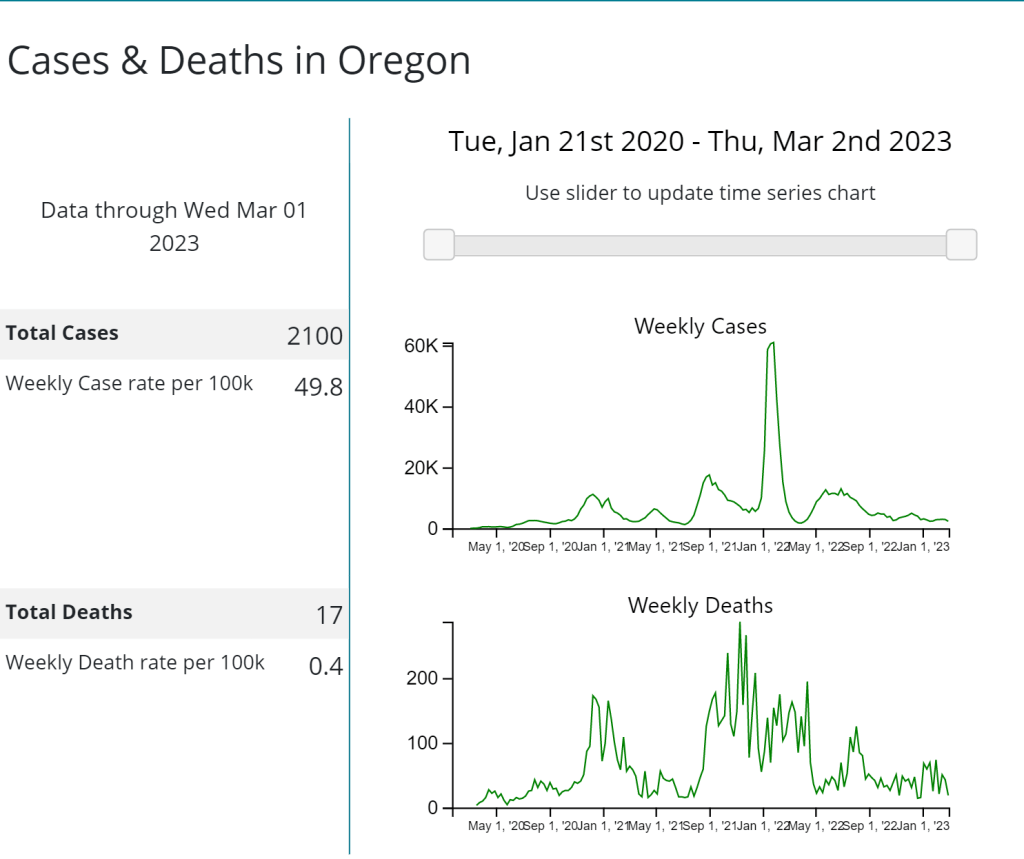
Medical Disinformation

Should we permit it and if not, what should we do about it?

The case of Ryan Cole

It is hard to imagine that we all have not said something to others at some point in our life that was misinformation. At times, we have all been misinformed.

Perhaps, if you are as old as me, you learned something in school that is no longer true, but you had not kept up in that area and didn’t realize that forty years later, something that we had been taught was found no longer to be the case. When I was doing my studies, I took a course in a field of science that was still in its infancy. I was listening to a podcast on the subject with experts in 2022 and realized that something I had been taught and learned as a concept has a new understanding that is quite different than what I was taught. Had I recently told others what I thought to be true, I would be innocently spreading misinformation – the unintentional spreading of information that I thought was true, but wasn’t. Fortunately, this particular concept has not been the subject of conversation or frankly, even of much interest, so I hadn’t spread it. It was something that was true in 1980, but no longer true in 2022.

Sometimes, my wife and I will get into a debate about what band or group first performed a song from our past or who is married to a certain celebrity. At times I dig in because I am certain I am correct. One would think after 42 years of marriage, I would know better than to challenge her breadth of knowledge on these subjects, but I hold out hope that one day, I might win an argument. Most of the time, I am misinformed or simply have an incorrect memory.

For the rest of this blog piece, I am not going to be discussing misinformation. It happens. It is by my definition unintentional, and in my experience, when people are confronted with the facts or correct information, they abandon their previously held thought and don’t continue to spread misinformation, unless they are a politician or running for office.

On the other hand, disinformation is an intentional spreading of incorrect information. Misinformation is generally spread with an intention to benefit the person it is being shared with. For example, during the pandemic, a person contacted me to check on a recommendation that a family member gave her for preventing COVID-19 (colloidal silver). I was glad she did ask me because that remedy being recommended will invariably harm a person if they take a high enough dose or a lower dose for a long-enough time. Obviously, this person who made the recommendation was completely unaware and thought she was being helpful to her family member and certainly was not trying to harm her relative. On the other hand, disinformation is never provided for the benefit of others, but rather the purveyors’ own self-interests. From time-to-time, we have all been provided with disinformation – perhaps because someone is trying to convince us to take actions to support their efforts that we would not absent being motivated by the untruths, perhaps someone is trying to convince us to buy their product through deceiving us, or perhaps someone is trying to protect their relationship or reputation with us by blaming someone else for a mishap.

Over the course of my life, my career and this pandemic, I have had many experiences in which people have tried to deceive me or I have had the opportunity to watch them try to deceive others. Just as there are clues that you should be hesitant to fall for an email or phone call scam, I have noticed many clues to identifying when someone is trying to peddle disinformation. These clues are important because few in the public will have the expertise to know if the information being presented is true, but you can identify clues from just listening to someone that should sound the alarm in your mind that this person may be trying to deceive you. We will be discussing the case of Dr. Ryan Cole, and he exemplifies almost all of these. I will contrast these points with what characterizes the experts that I trust.

  1. They never admit that they have been mistaken in the past, or could be wrong now. In the case of this pandemic unfolding with a novel virus over three years now, any legitimate commentator or expert who has been offering perspective throughout the course of this event, will admit that they have been wrong about some things (I certainly have been), that they have learned new things from this virus (I have), and that they have been surprised that certain things they predicted did not come to pass (I have been surprised on more than one occasion). I know many brilliant epidemiologists, virologists, pulmonologists, infectious disease experts, pediatricians, etc. and everyone of us comment on errors we made or surprises that we did not see coming. In contrast, you can listen to those purposely attempting to deceive the public, and they will never admit a mistake or that anything they have said in 3 years has now been proven wrong with information we have gained from clinical trials.
  • They make absolute, emphatic and dogmatic statements. There are few things in this world that are black and white in all people under all situations. That is especially true in medicine. My medical advice for a child is often different than for an adult with the same condition, especially if that adult is elderly. Sometimes patients have underlying conditions or are taking certain medications that cause us to modify our approach to a disease or condition than how we would treat that same disease or condition in someone without any other medical problems who is taking no medications. Experts also understand that our treatments change over time as we learn more about diseases or new medications and treatments are developed. Therefore, when you listen to respected experts, you will often hear them use qualifiers, such as, “in adults…,” “based upon what we know today,” “based upon the results of this study,” “we think that…,” “we don’t know the answer to that, but I would suggest,” or “I can tell you that in general …, but you should check with your doctor.” On the other hand, when you listen to purveyors of disinformation, they make absolute, blanket statements that are directed at everyone under all situations, without acknowledging that there is any need for you to talk to your doctor to assess your particular situation. One example from Dr. Cole is his statement that “Children survive [COVID-19] at a hundred percent.” Again, very few things are 100 percent in life. And, even if children rarely become severely ill with COVID-19, everyone should be alerted to a statement such as this one that surely there are some children who are immunocompromised, receiving cancer treatment, or have underlying health conditions that place them at risk. No medication is 100 percent effective [another statement from Dr. Cole is that “A hundred percent of world (ivermectin) trials have shown benefit.”], no treatment is 100 percent safe and few infections that can cause death in adults spare 100 percent of children. Of course, his statements were demonstrably false.
  • They resort to emotionally-charged language and hyperbole. For example, Dr. Cole’s references to “the clot shot” and “needle rape” are so inflammatory and offensive that the language is meant to stir an emotional reaction from the listener rather than to engage in any real scientific debate about the vaccines. I don’t know any legitimate experts that would use derogatory knick-names for medical treatments or language like this. Many of us have treated victims of rape and sexual abuse. We would never compare one of the most psychologically damaging acts of violence against another human to a vaccination intended to safeguard their health.

Most recently, I have also noted a troubling set of recurring language and phrases reminiscent of Nazi Germany and white supremacy commonly being used by those purveying the disinformation or defending them. Phrases like “Nuremburg Code” and “crimes against humanity” seem to be favorites in referencing the vaccination programs and those who administer the vaccines.

  • They often make claims from anecdotes to “prove” their assertions. Purveyors of disinformation often refer to anecdotal experiences to try to prove their point, such as “I treated xx patients with ivermectin and they all improved within 24-48 hours.” There are so many problems with this. First of all, how was the diagnosis of COVID-19 established? Do we know for sure that they had COVID-19? Second, were these all young, healthy 20- and 30-something-year-olds who would have been expected to have mild illnesses and get better regardless of treatment? Third, did the physician really follow-up the patients? The complaint from the Washington Medical Commission (WMC) alleges that Dr. Cole was not providing adequate follow-up on his patients. If that is true, how would he know whether they did well? In fact, the WMC also refers to sworn affidavits from physicians who did treat patients of Dr. Cole’s who deteriorated and ended up hospitalized, evidencing that Dr. Cole either did not follow-up on these patients or was not being truthful. Further, hospitalization and death often doesn’t occur with COVID-19 until the second week or later of illness. If a physician only follows patients for a day or two, he may be completely unaware that the patients decompensated, were hospitalized and/or died. This is especially true since Dr. Cole is a pathologist and would likely not have admitting hospital privileges and permission to treat hospitalized patients.
  • They almost never disclose their financial conflicts of interest. Early on in my blogging about COVID, I went into great detail about any potential conflicts of interest that could influence my points of view. From a psychological view, no one engages in a systemic campaign of disinformation without some personal benefit or potential benefit. Perhaps they merely seek publicity, fame and attention; perhaps they seek political favor or office; but I suspect most often, especially if one is willing to put their livelihood at risk, there must be significant financial reward. At the conferences they speak at and on the cable networks they are interviewed, I have never seen a disclosure of these conflicts of interest nor in the interviews, have I heard them asked about them.

We are not helpless victims when it comes to disinformation. First, we need to learn to recognize highly suspect sources and information with some of the clues I have outlined above. Further, we need to educate ourselves on how to assess credibility and reliability of sources and information.

First, as to credibility, take a look at what kind of doctor is providing this information. If the topic is complications of pregnancy and a dermatologist is offering advice on the subject, it doesn’t mean that it is necessarily wrong, but it should be cause for us to check it out to see if that advice is consistent with the advice of obstetricians and their professional associations, such as the American College of Obstetricians and Gynecologists. In this case, Dr. Cole, a pathologist might not be the kind of physician one would expect to be an expert in treating infectious illnesses. Again, that doesn’t mean that he can’t be knowledgeable, but one should probably check his advice against that of physicians who are experts or experienced in treating infectious illnesses. When you do, you find that Dr. Cole’s information is at odds with experts in the field as well as their professional organizations.

Second, you can search for fact checks on the internet. There are many available with experts disputing the information Dr. Cole has been spreading in his interviews and on videos.

Another easy thing to do is just to google local news sources and Dr. Cole. For example, you will come up with a number of articles (great reporting from Audrey Dutton) that provide all kinds of warning signs:

  • The Idaho Medical Association filed a complaint with the Idaho Board of Medicine against Dr. Ryan Cole
  • According to the complaint, ““As a licensee under your jurisdiction, Dr. Cole has made numerous public statements in 2020 and 2021, concerning COVID-19 that are at significant odds with commonly understood medical treatment of COVID-19 and fail to meet the community standard of care.”
  • “We believe many of those statements to be profoundly wrong, unsupported by medical research and collected knowledge, and dangerous if followed by patients or members of the public. Many of those statements have advocated that people not be treated appropriately and undoubtedly have led to and will continue to lead to poor health outcomes.”

And, this: https://idahocapitalsun.com/2021/12/16/idaho-doctors-pathology-board-accuse-dr-ryan-cole-of-endangering-public-health/. (by Audrey Dutton)

  • Idaho physicians allege, in complaints to a Washington medical board, that patients came into their hospitals sick with COVID-19 after taking advice or treatment from Dr. Ryan Cole.
  • The American Board of Pathology (ABP) also submitted a complaint against Dr. Cole and stated: ““He has advised patients to take hydroxychloroquine and ivermectin without scientific data to support their use in the treatment of patients with COVID-19.”
  • The ABP’s complaint went on to state: “We also received an allegation that Dr. Cole may have provided prescriptions to patients in the absence of a physician-patient relationship and without sufficient medical record keeping.”
  • The article also referenced sworn affidavits submitted by physicians in the Treasure Valley, including one from a physician that stated that her patients reported taking ivermectin “upon the advice or prescription of Dr. Ryan Cole” and were “quite surprised to learn that ivermectin did not prevent or cure their COVID infection.”
  • Another physician’s affidavit indicated that he had seen some of Dr. Cole’s patients who were taking ivermectin for prevention or treatment of COVID-19, and yet “had developed severe COVID-19 and many require hospital admission, with some requiring critical care services.”

And, yet another article, https://www.spokesman.com/stories/2022/may/08/taking-covid-19-funds-pathologist-dr-ryan-cole-was/ with more great reporting by Audrey Dutton:

  • VA officials “were flabbergasted” by Cole’s public statements, VAMC spokesperson Josh Callihan said in an interview earlier this year. The hospital removed Cole as a consultant last year.
  • St. Luke’s Health Partners also removed Cole from its network as a result of its peer review.
  • Dr. Cole touted his Mayo Clinic training, however, in a statement, Mayo Clinic distanced itself from Cole stating: ““Mayo Clinic is aware of claims made by Dr. Ryan Cole regarding vaccines. Dr. Cole was trained at Mayo Clinic but is not a Mayo Clinic employee. His views do not represent Mayo Clinic.” 
  • Dr. Cole was a member of the College of American Pathologists (CAP). They issued a statement indicating: “The CAP fosters robust exchanges of varying professional opinions in the practice of medicine and individual pathologists are free to express their own personal views. However, the CAP does not condone Fellows of the organization disseminating COVID-19 information that is not firmly grounded in science.”

In hindsight, there were plenty of warning signs.

Let’s dig into the WMC statement of charges.

The WMC alleges that Dr. Cole violated four provisions of law that fall under the umbrella of “unprofessional conduct.”

  1. The commission of any act involving moral turpitude or dishonesty relating to the practice of medicine.
  2. Incompetence, negligence, or malpractice that presents an unreasonable risk of harm or actual harm to a patient.
  3. Misrepresentation or fraud in any aspect of the conduct of the profession.
  4. Interference with an investigation or disciplinary proceeding by willful misrepresentation of the facts before the disciplining authority or its authorized representative.

We can also look to the facts that the WMC has made public as a result of its investigations.

  1. Dr. Cole made numerous false and misleading statements during public presentations regarding COVID-19, the COVID-19 vaccines, the use of ivermectin to treat COVID-19, and the effectiveness of masks.
  2. Dr. Cole generated mistrust in the medical profession and in public health, and had a wide-spread negative impact on the health and well-being of our communities.
  3. The WMC provides information about the negligent care of four patients by Dr. Cole, including:
    1. Prescribing medications that are not indicated for treatment of COVID-19;
    1. Failing to document adequate justification for the treatment in the medical record;
    1. Failure to take a history or perform a physical examination;
    1. Failing to obtain appropriate informed consent;
    1. Not providing an adequate opportunity for follow-up care;
    1. Treating patients beyond his competency level;
    1. Failure to advise patients about standard treatment guidelines and preventative measures.

No doubt that there will be supporters of Dr. Cole or physicians like him who will take any number of positions in support of him:

  1. It should be his First Amendment right to say whatever he wants.
  2. He’s a doctor and he should be able to prescribe whatever he wants.
  3. He was just giving patients what they wanted.

I will address each of these, in turn, but before I do, I always find an exercise helpful to make sure that we are having an objective discussion and not allowing emotions to get in the way. There is no doubt the country is politically divided and the politicalization of COVID-19 has made objective, rational discussions about policy difficult, if not impossible. Most of us experience this kind of divide within our own families.

You may not even realize that your thoughts and beliefs regarding how COVID-19 should be handled are more emotionally-driven than fact-driven. Here is the exercise. For this discussion, make some changes to the fact scenarios and see if that changes your view. If so, your responses to the COVID-19 fact situations are likely being influenced by emotions or a philosophical point of view. I’ll help you do this below.

Let’s start with the First Amendment issue. While the First Amendment of the U.S. Constitution does guarantee citizens the right of free speech, there are long-held exceptions to this right. Constitutional Law professors commonly use the example that one does not have the right to go into a crowded movie theatre and shout “Fire!” just because that person wants the freedom to do so. The U.S. Supreme Court long ago upheld restrictions on publishing pornography on the internet despite claims that this would infringe upon First Amendment rights. We also have federal restrictions on marketing such that a pharmaceutical company cannot make the kinds of assertions about the effectiveness of its medications similar to the ones Dr. Cole made. The common theme here is that restrictions of the First Amendment are proper and legal where they serve to protect the health and welfare of the public.

Let’s distinguish Dr. Cole’s situation from some others that I would never support pursuing. First, if Dr. Cole wished to raise concerns about the effectiveness of treatments, the safety of vaccines or related issues with his colleagues or at medical conferences and engage in scientific debate, that would be fine. That is not what Dr. Cole did. Recall that Dr. Cole repeatedly spoke about seeing something on the order of a 20-fold increase in cancers that he impliedly or explicitly connected to the COVID-19 vaccines at his public speaking engagements, but to my knowledge, never allowed independent review of these cases (we already know of one case made public in which Dr. Cole diagnosed a patient with cancer that led to extensive surgery to remove the associated organs and tissues only for the hospital and outside consulting pathologists to find no evidence of cancer) nor to my knowledge did he ever notify the FDA, the CAP, or any other regulators or medical associations or even submit his findings for publication and peer review  (despite the fact that I can find no other similar such reports from any laboratory in the world).

It would also be fine if Dr. Cole wanted to give his thoughts or opinions with a disclaimer that he is not offering them as a physician or as medical advice, and that his positions are not supported by the medical community at large. The problem is that Dr. Cole engaged in a several years-long campaign of disinformation touting his medical and scientific expertise to influence the public to adopt his advice and positions.

It would also be fine for Dr. Cole to argue policy, e.g., the benefit or harms of mandates. These can be legitimate points of debate. The problem was that Dr. Cole presented false information as facts. This was not a debate about policies or uncertainties concerning the virus or the disease – this was an intentional, well-coordinated disinformation campaign.

Let’s look closer at some of the specific allegations.

  1. Dr. Cole made numerous false and misleading statements during public presentations regarding COVID-19, the COVID-19 vaccines, the use of ivermectin to treat COVID-19, and the effectiveness of masks.

I could probably write 30 pages just on this topic, so let’s just take one part of it, the part that I suspect many are not concerned about, but should be: The use of ivermectin to treat COVID-19. Many, Dr. Cole included I suspect, will say, “Big deal. What is the harm in that? It is a long-used medication that has already been approved for treating other conditions and is reasonably safe.”

Is it ever appropriate for a physician to prescribe a medicine for a use other than what it is approved for? Certainly, there are occasions where this is appropriate. Those situations include when a patient has failed the usual and customary treatment, when a patient has an underlying condition for which the usual and customary treatment would not be appropriate, or when the patient is on medications that cannot be stopped that would interact negatively with the usual and customary treatment. Even so, the physician should discuss the situation with the patient, explain the risks and obtain the patient’s consent prior to proceeding. From what I can read of the WMC charges, none of these factors appear to be at play.

Ivermectin is relatively safe, however, it has a long list of possible side effects and adverse events – some common, others not; some minor; some just annoying (e.g., generalized itching); but others can be serious. Now, we all make risk/reward decisions every time we prescribe or take a medication. There is no medication that is completely safe for everyone and without any side effects or adverse events. Doctors make these risk/reward decisions with their patients all the time. Often, patients find their symptoms or disease so distressing that they find the potential risks well worth taking. Sometimes, people have a relatively minor problem and decide that they are not willing to assume the risk of significant side effects to treat something that is not that distressing to the patient.

But, all of the many well-designed, randomized trials have failed to detect any benefit for ivermectin in treating COVID. So, if you were in the exam room with me, I diagnosed your condition, and told you that I can prescribe a medication that won’t help you, what amount of risk of adverse effects would you be willing to accept? Would you be willing to accept any chance of a adverse event that would land you in the hospital or take your life? What about visual disturbances? What about one of the most serious skin disorders that there is? Would you take the risks even if I told you the risks were rare? Most people would say no. Why? Because the risk (a small or rare risk of a serious problem) will outweigh the  benefit (in this case, zero) of treatment in the minds of most rational people.

Some will respond, okay, but Dr. Cole said he treated people and they all got better. First, those statements are contradicted by physicians making sworn statements that they treated patients of Dr. Cole who ended up being hospitalized, in critical care or even dying from their COVID, despite Dr. Cole’s assertion that they all got better. I’m not saying that Dr. Cole is necessarily lying, he simply appears to not have followed at least some of these patients and may not know that they got worse. Most people don’t think of calling a pathologist when they can’t breathe and need an ambulance, and ER doctors are not likely going to call a pathologist to admit a patient to the hospital or the ICU.

To point out how flawed relying on anecdotes is, let’s assume that I had a group of 12 friends. We all got fully vaccinated and we all wore masks whenever we were out in public. We have no children living in the home and we all were retired or working from home. We would get together every day outside, distanced, taking our masks off only to have a daily cup of coffee. None of us got COVID. I then tweet, go on cable networks and make viral videos saying that I have the key to preventing getting COVID-19 – drink one cup of coffee each day. I then make up a reason to explain why coffee works – the heat and steam of the coffee clears out your sinuses and rids you of any virus in your nasal passages and the coffee has antiviral properties as it turns out that someone in some lab somewhere in the world put coffee in a culture with the SARS-CoV-2 virus and it was unable to grow. How strong of a scientific argument for coffee do you think I made? I hope you are not impressed. The sample size is small (13 if you count me). There was no comparison group to see if people who did get COVID drank coffee. There was also no accounting for confounding factors, such as the fact that my friends and I were at lower risk (no kids in the house and working from home) and we employed other public health measures known to protect us from getting infected. You should not rely on my anecdote and neither should we be persuaded by Dr. Cole’s.

But, even if I still haven’t persuaded you, there are two more problems with Dr. Cole prescribing ivermectin or me prescribing a cup of Joe every day. One problem is the lack of documentation in the medical records mentioned in the charges made by WMC. As I said above, there can be reasons for a physician to prescribe a medication that is not usually used for a certain condition, but in every state of the country, physicians are required to document their reasoning. First, in prescribing something out of the ordinary, the physician needs to document why in order to protect him or herself from a latter claim of negligence if the patient does suffer harm, and second, if there were reasons not to treat the patient with the standard medications for a disorder, you want those documented so that if the patient worsens and comes in for care, the doctor, or someone covering for that doctor, can be reminded of why the patient should not be prescribed the standard medications.

The key thing that should bother everyone reading this is that based upon what we can glean from the WMC complaint, it was not a matter that the patients had contraindications to vaccines or contraindications to treatments that we know work for COVID, but rather that Dr. Cole never offered these to the patients or explained why he didn’t. Had he done so, the patients refused, but asked for ivermectin and he then explained that we really don’t have good quality evidence to support their use, but they indicated that they still were willing to accept the risks with little chance of benefit, Dr. Cole might have avoided these charges.

Still, I may not have convinced you, so let’s put my little exercise into practice. Now, let’s take the situation of your child or your spouse or your parent. They unfortunately have a very serious cancer that is serious, but if left untreated will kill them. You seek the advice of a doctor for treatment. The doctor does not tell you about the treatments that are proven to work, but rather suggests an unproven treatment, or one that is not considered the standard of care. You take the doctor’s advice. Your child, spouse or parent deteriorates and requires hospitalization, intensive care or dies. (Remember, while Dr. Cole states that all of his patients did well on his treatment, other doctors have provided sworn testimony that they did treat some of Dr. Cole’s patients and they required hospitalization, intensive care or died). If you trusted the doctor, but he did not tell you about proven treatments for your family member, but instead pushed a drug that the majority of physicians and medical organizations stated should not be used, how would you feel? If you feel the same way that you did about ivermectin that it is perfectly fine for a physician not to offer you the standard and proven treatments, then we will just agree to disagree. However, if you think this situation is wrong, but it is fine for ivermectin, then you should consider that you are making an emotional or biased decision, not a logical one. Remember, that in the case of ivermectin, even the company that manufactures and distributes it, that would stand to financially benefit from wide-spread use of its medication for COVID, publicly warned against its use and indicated that the pharmaceutical company’s scientists saw no evidence of benefit of ivermectin in treating COVID-19.

I am going to finish up with three of the specific allegations under #3 above:

  1. Failure to take a history or perform a physical examination;
  2. Failing to obtain appropriate informed consent;
  3. Not providing an adequate opportunity for follow-up care;

Why is failing to take a history or perform a physical examination a big deal? As doctors, we need to understand the particulars of a patient we are treating. With COVID, I need to understand the patient’s risk factors – age, health conditions that may increase risk and whether the patient may be immunocompromised in any way. You get this information from taking the patient’s history so that you can assess which treatment the patient needs and whether they can be safely treated at home or need to come to the hospital. Further, in taking a history, you will review the patient’s medications. This can be very important in considering potential drug interactions that may result from whatever I may prescribe to the patient (especially the case when prescribing Paxlovid). The physical examination allows me to assess how sick the patient is and whether there may be other medical problems going on (remember, there is no rule that you can only get one infection or condition at a time). Again, the findings from examining the patient are likely to influence which treatment I offer to a patient and whether that can be outpatient or needs to be inpatient treatment. I know of no state in which prescribing medication for a patient with whom you do not already have an existing doctor-patient relationship, a patient for which you have no medical history and have never performed a physical examination on would be considered acceptable medical practice.

The point about not obtaining informed consent, to me, is one of the gravest aspects of Dr. Cole’s conduct, if ultimately proven. It is one of the fundamentals of our profession that patients, so long as they are competent to do so, should decide which treatments we offer that they wish to undergo, if any. To equip a patient to decide on a course of treatment, we must explain what is wrong with them, what treatments are recommended, what the potential risks are of treatment, and if they are not inclined to be treated, what the risks of non-treatment are. Informed consent captures the notion that a patient cannot really provide consent unless they are informed.

If, as appears to be alleged in this case, Dr. Cole did not explain what the recommended treatments were, only offered non-recommended treatments, did not document a good reason why, and did not explain the risks of taking non-recommended treatment and forgoing recommended treatments, this is not informed consent; it is manipulation and coercion of the worst kind.

Finally, the WMC makes a charge for not providing adequate follow-up of patients. We can certainly have a debate about whether pathologists who do not have a hospital practice or hospital privileges, do not have an office or clinic in which to see patients on an ongoing basis, and do not typically treat infectious diseases should be offering their services to treat patients with a serious infection like COVID-19 that can last weeks and cause health consequences in the ensuing months or years. However, even if you come out on the side that yes, this makes great sense, then those physicians must meet the same basic standards of care as physicians who normally treat these patients. Another foundation of our profession is that we do not abandon patients. If you are going to engage in the practice of treating such patients, you must either make yourself available for follow-up needs of the patient, have a system in place for other physicians to provide that ongoing care when you are off or traveling to other states or countries to spread disinformation, or you must arrange for a hand-off to another physician or notice and a sufficient time for the patient to be able to identify and schedule a visit with another physician. What if a patient that Dr. Cole treated is experiencing an adverse effect from the ivermectin? What if the patient is unable to get the prescription filled as many pharmacies have refused to fill these prescriptions? What if the patient is worsening and the ivermectin does not seem to be working? We simply cannot leave patients without options for continuing care than to go to already overloaded and over-burdened emergency rooms.

Obviously, Dr. Cole will have his opportunity to respond to the charges and present his defense. However, if the charges are substantiated, we all should be able to agree that this conduct is unprofessional and is not what we would want for our friends and families. We should never embrace those who would try to manipulate the public for their own personal gains, especially those who have taken a solemn oath to help people and protect their health and who have been granted a privilege to practice medicine when so many are turned away each year from this amazing opportunity.

We should support telling the public the truth, providing them with the facts, and then allowing them to assess their own personal risks, those of their families and what they consider their obligation to society is, to then determine which health recommendations they will adopt. Our job as physicians is to provide our patients and the public with information upon which they may be informed to make their own health care decisions. Having the privilege to practice medicine is a tremendous honor, and with privilege comes responsibility. If the allegations against Dr. Cole are true, then he has violated every core tenant of our profession. That is terrible enough. The only thing worse would be if our state boards of medicine, our professional associations and our specialty certification organizations allow that conduct to continue and the public to be harmed without consequences to the physician.

Long COVID

I have been writing a blog series about the post-acute sequelae of COVID-19. My plans were to cover the many systems and organs of the body and what we have learned as to the Long-term health consequences some people may suffer following infection and why. I started with the nervous system.

However, while I have been working on this, a fabulous review of Long COVID was published[1] and it does much of what I intended to provide for you. Therefore, I am going to use this blog piece to wrap up my blog series by highlighting some of the information for you that is contained within this report.

  • Long COVID (sometimes referred to as ‘post-acute sequelae of COVID-19’ or PASC) is a multisystemic condition comprising often severe symptoms that follow a severe acute respiratory syndrome coronavirus 2 (SARS-CoV-2) infection, but can occur following even mild COVID-19.
  • At least 65 million individuals around the world have Long COVID, based on a conservative estimated incidence of 10% of infected people and more than 651 million documented COVID-19 cases worldwide; the number is likely much higher due to many undocumented cases.
  • The incidence is estimated at 10–30% of non-hospitalized cases, 50–70% of hospitalized cases and 10–12% of vaccinated cases. Thus, vaccination is important in reducing the chances of developing Long COVID and avoiding severe COVID-19 (which increases the chances for Long COVID), but even those who are vaccinated who develop breakthrough infections can develop Long COVID.
  • Long COVID is associated with all ages and acute disease severities (mild, moderate, and severe) with the highest percentage of diagnoses between the ages of 36 and 50 years, and most Long COVID cases are in non-hospitalized patients with a mild acute illness.
  • Hundreds of laboratory and clinical findings have been documented, with many patients experiencing dozens of symptoms across multiple organ systems. Long COVID encompasses multiple adverse outcomes, with common new-onset conditions including cardiovascular, thrombotic and cerebrovascular disease, type 2 diabetes, myalgic encephalomyelitis/chronic fatigue syndrome (ME/CFS) and dysautonomia, especially postural orthostatic tachycardia syndrome (POTS).
  • Symptoms can last for years, and cases of new-onset ME/CFS and dysautonomia are expected to be lifelong.
  • There are currently no proven, effective treatments, though this is an area of active research.
  • There are likely multiple, potentially overlapping, causes of Long COVID. Several hypotheses for its pathogenesis have been suggested, including persisting reservoirs of SARS-CoV-2 in tissues; immune dysregulation with or without reactivation of underlying pathogens, including herpesviruses such as Epstein–Barr virus (EBV) and human herpesvirus 6 (HHV-6) among others; impacts of SARS-CoV-2 on the microbiota, including the virome; autoimmunity and priming of the immune system from molecular mimicry; microvascular blood clotting with endothelial dysfunction; and dysfunctional signaling in the brainstem and/or vagus nerve.
  • Risk factors potentially include female sex, type 2 diabetes, EBV reactivation, the presence of specific autoantibodies, connective tissue disorders, attention deficit hyperactivity disorder, chronic urticaria and allergic rhinitis, although a third of people with Long COVID have no identified pre-existing conditions.
  • Higher prevalence has been reported among persons with Hispanic or Latino heritage.
  • Socio-economic risk factors include lower income and an inability to adequately rest in the early weeks after developing COVID-19. This may be an important finding. I often hear from those with COVID, especially young, active adults, that after being sick for so long, they are anxious to resume their normal activities and exercise. However, we are increasingly seeing evidence that suggests overdoing it and not getting enough rest in the weeks following infection may pose increased risk for developing Long COVID.
  • Long COVID impacts children of all ages. One study found that fatigue, headache, dizziness, shortness of breath, chest pain, abnormal smells, abnormal sense of taste, reduced appetite, concentration difficulties, memory issues, mental exhaustion, physical exhaustion and sleep issues were between 2 and 36 times more likely in individuals with Long COVID aged 15–19 years compared with controls of the same age. This has been another surprising feature in many patients I have spoken with following their infection. Many describe that their sleep cycle is disrupted (e.g., perhaps their normal bedtime was 10 p.m., but now they can’t fall asleep until 2 a.m.) or that they have days on end that they can’t sleep at all, followed by days in which all they do is sleep.
  • Similarly to adults with Long COVID, children with long COVID experience fatigue, post-exertional exhaustion or feeling unwell, cognitive dysfunction, memory loss, headaches, orthostatic intolerance, sleep difficulty and shortness of breath.
  • Although rare, children who had COVID-19 have increased risks of liver injury, acute pulmonary embolism, myocarditis and cardiomyopathy, venous thromboembolic events, acute and unspecified kidneyl failure, and type 1 diabetes.
  • Infants born to women who had COVID-19 during pregnancy were more likely to receive a neurodevelopmental diagnosis in the first year after delivery.
  • Children experiencing Long COVID have hypometabolism in the brain similar to the patterns found in adults with Long COVID.
  • Long-term pulmonary dysfunction is found in children with Long COVID and those who have recovered from COVID-19.
  • Difficulties in studying Long COVID in children include that many children were never tested or have a documented + test, and children are much less likely to seroconvert (develop detectable antibodies in the blood) and, if they develop antibodies, are more likely to have a waning response months after infection compared with adults.
  • Studies looking at immune dysregulation in individuals with Long COVID who had mild acute COVID-19 have found T cell alterations, including exhausted T cells, reduced CD4+ and CD8+ effector memory cell numbers and elevated PD1 expression on central memory cells, persisting for at least 13 months. Studies have also reported highly activated innate immune cells, a lack of naive T and B cells and elevated expression of type I and type III interferons (interferon-β (IFNβ) and IFNλ1), persisting for at least 8 months. A comprehensive study comparing patients with Long COVID with uninfected individuals and infected individuals without Long COVID found increases in the numbers of non-classical monocytes, activated B cells, double-negative B cells, and IL-4- and IL-6-secreting CD4+ T cells and decreases in the numbers of conventional dendritic cells and exhausted T cells and low cortisol levels in individuals with Long COVID at a median of 14 months after infection.
  • The expansion of cytotoxic T cells has been found to be associated with the gastrointestinal presentation of Long COVID. Additional studies have found elevated levels of cytokines, particularly IL-1β, IL-6, TNF and IP10, and a recent preprint has reported persistent elevation of the level of CCL11, which is associated with cognitive dysfunction.
  • The role of autoantibodies in Long COVID remains unclear. Multiple studies have found elevated levels of autoantibodies in Long COVID, including autoantibodies to the ACE-2 receptor, β2-adrenoceptor, muscarinic M2 receptor, angiotensin II AT1 receptor and the angiotensin 1–7 MAS receptor. High levels of other autoantibodies have been found in some patients with COVID-19 more generally, including autoantibodies that target the tissue (such as connective tissue, extracellular matrix components, vascular endothelium, coagulation factors and platelets), organ systems (including the lung, central nervous system, skin and gastrointestinal tract), immunomodulatory proteins (cytokines, chemokines, complement components and cell-surface proteins). A major comprehensive study, however, did not find autoantibodies to be a major component of Long COVID. High levels of autoantibodies in Long COVID have been found to be inversely correlated with protective COVID-19 antibodies, suggesting that patients with high autoantibody levels may be more likely to have breakthrough infections.
  • Reactivated viruses, including EBV and HHV-6, have been found in patients with Long COVID (and have been identified in ME/CFS), and lead to mitochondrial fragmentation and severely affect energy metabolism. EBV reactivation has been associated with fatigue and neurocognitive dysfunction in patients with Long COVID.
  • Several studies have shown low or no SARS-CoV-2 antibody production and other insufficient immune responses in the acute stage of COVID-19 to be predictive of Long COVID at 6–7 months, in both hospitalized patients and non-hospitalized patients.
  • One study has reported low or absent CD4+ T cell and CD8+ T cell responses in patients with severe Long COVID, and a separate study found lower levels of CD8+ T cells expressing CD107a and a decline in nucleocapsid-specific interferon-γ-producing CD8+ T cells in patients with Long COVID compared with infected controls without Long COVID.
  • SARS-CoV-2 viral rebound in the gut, possibly resulting from viral persistence, has been associated with lower levels and slower production of receptor-binding domain IgA and IgG antibodies.
  • One hypothesis for why women are more likely to develop Long COVID than men is the fact that women are less likely to seroconvert, more likely to sero-revert (initially test + for antibodies in the blood, but later test -) and have lower antibody levels overall, including more antibody waning after vaccination.
  • Viral persistence is also thought to be a possible driver of Long COVID symptoms; viral proteins and/or RNA has been found in the reproductive system, cardiovascular system, brain, muscles, eyes, lymph nodes, appendix, breast tissue, hepatic tissue, lung tissue, plasma, stool and urine.
  • In one study, circulating SARS-CoV-2 spike antigen was found in 60% of a cohort of 37 patients with Long COVID up to 12 months after diagnosis compared with 0% of 26 SARS-CoV-2-infected individuals without PASC, likely implying a reservoir of active virus or components of the virus. Indeed, multiple reports following gastrointestinal biopsies have indicated the presence of virus, suggestive of a persistent reservoir in some patients.
  • The damage that has been demonstrated across diverse tissues has predominantly been attributed to immune-mediated response and inflammation, rather than direct infection of cells by the virus. Circulatory system disruption includes endothelial dysfunction and subsequent downstream effects, and increased risks of deep vein thrombosis, pulmonary embolism and bleeding events.
  • Micro-clots detected in both acute COVID-19 and Long COVID contribute to thrombosis.
  • Long-term changes to the size and stiffness of blood cells have also been found in Long COVID, with the potential to affect oxygen delivery.
  • A long-lasting reduction in vascular density, specifically affecting small capillaries, was found in patients with Long COVID compared with controls, 18 months after infection.
  • A study finding elevated levels of vascular transformation blood biomarkers in Long COVID also found that the angiogenesis markers ANG1 and P-selectin both had high sensitivity and specificity for predicting Long COVID status.
  • A large study found significantly increased risk of a variety of cardiovascular diseases, including heart failure, dysrhythmias and stroke, independent of the severity of initial COVID-19 presentation 1 year after SARS-CoV-2 infection.
  •  Cardiac MRI studies revealed cardiac impairment in 78% of 100 individuals who had a prior COVID-19 episode (investigated an average of 71 days after infection) and in 58% of participants with Long COVID (studied 12 months after infection).
  • One prospective study of low-risk individuals, looking at the heart, lungs, liver, kidneys, pancreas and spleen, noted that 70% of 201 patients had damage to at least one organ and 29% had multi-organ damage.
  • In a 1-year follow-up study with 536 participants, the study authors found that 59% had single-organ damage and 27% multi-organ damage.
  • Neurological and cognitive symptoms are a major feature of Long COVID, including sensorimotor symptoms, memory loss, cognitive impairment, paresthesia, dizziness and balance issues, sensitivity to light and noise, loss of (or phantom) smell or taste, and autonomic dysfunction, often impacting activities of daily living.
  • Audio-vestibular manifestations of Long COVID include tinnitus, hearing loss and vertigo.
  • Cognitive impairments in Long COVID can be debilitating, at the same magnitude as intoxication at the UK drink driving limit or 10 years of cognitive ageing, and may increase over time, with one study finding occurrence in 16% of patients at 2 months after infection and 26% of patients at 12 months after infection.
  • Possible mechanisms for neuro-pathologies in Long COVID include neuroinflammation, damage to blood vessels by coagulopathy and endothelial dysfunction, and injury to neurons. Studies have found Alzheimer disease-like signaling in patients with Long COVID, peptides that self-assemble into amyloid clumps which are toxic to neurons, widespread neuroinflammation, brain and brainstem hypometabolism correlated with specific symptoms and abnormal cerebrospinal fluid findings in non-hospitalized individuals with Long COVID along with an association between younger age and a delayed onset of neurological symptoms.
  • Multilineage cellular dysregulation and myelin loss were reported in a recent preprint in patients with Long COVID who had mild infections, with microglial reactivity similar to that seen in chemotherapy, known as ‘chemo-brain’.
  • A study of brain imaging and cognitive testing revealed a reduction in grey matter thickness in the orbitofrontal cortex and para-hippocampal gyrus (markers of tissue damage in areas connected to the primary olfactory cortex), an overall reduction in brain size and greater cognitive decline in patients after COVID-19 without Long COVID compared with controls, even in non-hospitalized patients. 
  • In the eyes, corneal small nerve fiber loss and increased dendritic cell density have been found in Long COVID, as well as abnormal pupillary light responses and impaired retinal microcirculation. Retinal hemorrhages, cotton wool spots and retinal vein occlusion have all been noted in patients with Long COVID.
  • Low blood cortisol levels in patients with Long COVID as compared with control individuals have been detected more than 1 year into symptom duration. Low cortisol production by the adrenal gland should be compensated by an increase in adrenocorticotropic hormone (ACTH) production by the pituitary gland, but this was not the case, supporting hypothalamus–pituitary–adrenal axis dysfunction.
  • Approximately half of patients with Long COVID meet criteria for ME/CFS. Up to 75% of people with ME/CFS cannot work full-time and 25% have severe ME/CFS, which often means they are bed-bound, have extreme sensitivity to sensory input and are dependent on others for care.
  • A study of orthostatic stress in individuals with Long COVID and individuals with ME/CFS found similar hemodynamic, symptomatic and cognitive abnormalities in both groups compared with healthy individuals.
  • Consistent abnormal findings in ME/CFS include diminished natural killer cell function, T cell exhaustion and other T cell abnormalities, mitochondrial dysfunction, and vascular and endothelial abnormalities, including deformed red blood cells and reduced blood volume.
  • Patients with Long COVID have mitochondrial dysfunction including loss of mitochondrial membrane potential and possible dysfunctional mitochondrial metabolism, altered fatty acid metabolism and dysfunctional mitochondrion-dependent lipid catabolism consistent with mitochondrial dysfunction in exercise intolerance, redox imbalance, and exercise intolerance and impaired oxygen extraction.
  • Dysautonomia, particularly POTS (postural orthostatic tachycardia syndrome), is commonly comorbid with ME/CFS.
  • POTS is associated with G protein-coupled adrenergic receptor and muscarinic acetylcholine receptor autoantibodies, platelet storage pool deficiency, small fiber neuropathy and other neuro-pathologies. Both POTS and small fiber neuropathy are commonly found in Long COVID, with one study finding POTS in 67% of a cohort with Long COVID.
  • Mast cell activation syndrome is also commonly comorbid with ME/CFS. The number and severity of mast cell activation syndrome symptoms substantially increased in patients with Long COVID compared with pre-COVID and control individuals, with histamine receptor antagonists resulting in improvements in the majority of patients.
  • Shortness of breath and cough are the most common respiratory symptoms, and persisted for at least 7 months in 40% and 20% of patients with Long COVID, respectively.
  • Several imaging studies that included non-hospitalized individuals with Long COVID demonstrated pulmonary abnormalities including in air trapping and lung perfusion.
  • An immunological and proteomic study of patients 3–6 months after infection indicated apoptosis and epithelial damage in the airway but not in blood samples.
  • Long COVID gastrointestinal symptoms include nausea, abdominal pain, loss of appetite, heartburn and constipation. The gut microbiota composition is significantly altered in patients with COVID-19, and gut microbiota dysbiosis is also a key component of ME/CFS.
  • Gut dysbiosis lasting at least 14 months is reported in patients with PASC, and low levels of butyrate-producing bacteria are strongly correlated with Long COVID at 6 months.
  • One study indicated viral persistence in the feces of 12.7% of participants 4 months after diagnosis of COVID-19 and in 3.8% of participants at 7 months after diagnosis.
  • Most patients with Long COVID symptoms and inflammatory bowel disease 7 months after infection had antigen persistence in the gut mucosa.
  • Several neurocognitive symptoms worsen over time and tend to persist longer, whereas gastrointestinal and respiratory symptoms are more likely to resolve.
  • Pain in joints, bones, ears, neck and back are more common at 1 year than at 2 months, as is paresthesia (abnormal sensations), hair loss, blurry vision and swelling of the legs, hands and feet.
  • Parosmia has an average onset of 3 months after the initial infection; unlike other neurocognitive symptoms, it often decreases over time.
  • Few people with Long COVID demonstrate full recovery, with one study finding that 85% of patients who had symptoms 2 months after the initial infection reported symptoms 1 year after symptom onset. Future prognosis is uncertain, although diagnoses of ME/CFS and dysautonomia are generally lifelong.

As I wrap up this series on the post-acute sequelae of COVID-19, I am now going to shift to covering specific new insights on COVID-19 in more frequent posts, as well as returning to covering a broad range of public health, health policy, health law and health reform issues.


[1] https://www.nature.com/articles/s41579-022-00846-2

Neurological Sequelae of COVID-19

Part III

In Part I of this series focused on the neurological long-term consequences of COVID-19, I reviewed what we know so far about anosmia (loss of smell) and parosmia (abnormal sense of smell). In Part II, I reviewed what we know about cognitive defects following COVID-19, or what many refer to as “brain fog.”

In this Part III, we will wrap up our review of neurological consequences of COVID-19, however, there remains much more that we could cover. This blog post will look at an autopsy study that provides evidence of viral persistence, one of the explanations thought to contribute to the development of Long COVID.

A very recent study sheds additional light on the issue of viral persistence in the brain and other tissues and organs based upon autopsy studies.

“SARS-CoV-2 Infection and Persistence in the Human Body and Brain at Autopsy” was published on December 14, 2022.[1] The investigators conducted complete autopsies on 44 patients who died with COVID-19, with extensive sampling of the central nervous system in 11 of these patients. The study included both patients who died with acute infection, as well as others with PASC (Post-Acute Sequelae of SARS-CoV-2 or Long COVID) lasting as long as 7 months. They found that evidence of viral persistence was widely distributed, especially in those who died with severe COVID-19. The evidence for viral persistence in both lung tissue and non-respiratory tissues (heart, lymph nodes, GI tract, adrenal glands and eyes was very strong in that they could culture replicating virus from these tissues. Persistent viral RNA was found in multiple anatomic sites throughout the brain as late as 230 days following onset of illness in one case.

SARS-CoV-2 RNA was detected in 84 distinct anatomic sites and body fluids (including plasma, pleural fluid and vitreous fluid). However, RNA levels were highest in respiratory tissues. More than half of the late cases had persistent RNA in the heart muscle, lymph nodes from the head and neck, the sciatic nerve, the eyes, and from all areas of the central nervous system sampled other than the dura mater.

The investigators observed very little evidence of inflammation or direct viral-induced cell damage outside of the respiratory tract. This is concerning relative to a person’s long-term health because it is possible that the persistent virus causes chronic antigenic stimulation of the immune system, which in turn may cause T-cell exhaustion and immune dysfunction (see later blog posts on immune system sequelae of COVID-19), but also because we don’t know whether the SARS-CoV-2 virus can be reactivated and cause disease if the patient is later treated with immunosuppressive medications or develops an immune-compromising condition.

The persistence of SARS-CoV-2 virus in the body is one of the theories as to why some people may develop Long COVID. Persistence of virus can mean persistence of antigenic stimulation of the immune system. In addition, a concern that must always be considered when people do not kill and eliminate viruses efficiently from their body, is whether they become latent and can be reactivated years later if the person becomes elderly, develops cancer, or requires immunosuppressive medications. In fact, with SARS-CoV-2 infections, we have seen cases in which latent viruses become reactivated, particularly Epstein Barr Virus (EBV) and Human Herpes Virus-6. The former has been associated with persons who develop myalgic encephalitis/chronic fatigue syndrome (ME/CFS) following COVID-19.


[1] https://doi.org/10.1038/s41586-022-05542-y.

Important Holiday Travel/Gathering COVID-19 Update and Health Advice

Practical tips and information

We all are excited about the upcoming holidays and seeing friends and family, but are in the midst of high levels of RSV and influenza transmission and the beginning of a new COVID-19 surge. There is important new information you should keep in mind, and additional planning to be done in the event you are traveling.

Planning

  1. Assess yours, your family’s and your guests’ risks. Important questions are:
    1. Where will you be gathering? This will be important when assessing ventilation. (See below) For most people, the answer is likely to be someone’s home.
    1. How many will be attending? The higher the number, the higher the risks.
    1. Will there be small children? If those children have been in school or day care or a nursery, then there are increased chances that they may have been exposed to a number of the circulating respiratory viruses, (as well as group A strep – more on this below) and early on in the illness, the child may not look sick or be able to report symptoms, but still be contagious. Thus, it may be helpful to check with the school or daycare to determine whether many children have been out sick lately and if so, with what.
    1. Will there be people in attendance who are ages 65 and older and/or people who are immunocompromised either by virtue of having an underlying immunodeficiency or by a disease that weakens their immune system or from treatments for a condition that weaken the immune system? These folks are at the highest risk for severe COVID-19, hospitalization and death. Further, unlike most adults, they will be at increased risk for severe disease from RSV.
    1. What risks of exposure have guests been incurring in the 3 – 5 days prior to the planned gathering? Obviously, the risks of someone bringing an infection to the gathering are greater in someone who has been traveling and attending meetings or conferences without wearing a high-quality mask than in someone who has been working from home and wore a high-quality mask for their travels to the gathering. I often hear people tell me that they feel safer because some of the intended guests had COVID-19 a month ago or two months ago. I understand their reasoning based on some data with variants that were circulating last year suggesting that those who were infected were likely protected from reinfection for a period of perhaps up to several months. However, I would caution that we do not have that kind of data for the variants circulating this year, that the current fast-increasing variants tend to be much more transmissible and immune evasive than prior variants, that people who were infected 1 – 2 months ago likely were infected with BA.4 or BA.5, and we do not have good data as to how protective, if at all, prior infection with BA.4 or BA.5 would be against these current new variants. BA.4 is largely gone and BA.5 continues to decline as it is overtaken by these new variants. The little data that we have could allow arguments both for and against some cross-immunity to new variants, but certainly we cannot feel confident in concluding that those previously infected individuals are protected from infection with more recent variants. In addition, I remind people that these persons may be of higher risk than others because (1) it is very likely that they continue to be involved in activities today that provided the opportunity 1 – 2 months ago for them to become infected and (2) in fact, they may be less cautious now than 1 – 2 months ago being under the impression that they have immunity from that prior infection.
  2. Be sure to have an adequate supply of at-home COVID tests. Don’t forget that every household has the opportunity to order 4 free at-home rapid antigen tests (2 boxes each containing 2 tests) right now if you have not already ordered them this month. I have already requested and received mine. You can order these free tests at www.special.usps.com. I am not sure you will receive yours in time for your holiday gathering, but it is worth a try, and even if not, these can be used to replenish your supply. If you already have a supply of tests, check the expiration dates to make sure that the tests are current. However, the FDA has recently extended the expiration dates for a number of home tests based on more testing since the agency issued their authorization for the tests. So, before tossing any of your current tests in the trash, check the FDA’s website at https://www.fda.gov/medical-devices/coronavirus-covid-19-and-medical-devices/home-otc-covid-19-diagnostic-tests#list to see if your test’s expiration date has been extended. If you are out of tests and don’t receive your free tests in the mail in time, you can find tests at most pharmacies and many grocery stores. A certain number of tests per month is covered under many insurance plans, so if you go to the pharmacy itself to make the purchase, they can determine your insurance coverage for the tests https://www.cms.gov/how-to-get-your-at-home-OTC-COVID-19-test-for-free.

There is also an exciting new option. There have been some at-home PCR test options previously, but earlier versions allowed you to obtain the specimen at home, but you still had to send it off to a laboratory for testing and results. More recent versions have allowed the testing at home, but have required the additional purchase of parts for the testing, and still, these tests could take an hour to perform. Now, the FDA has extended authorization to an “all-in-one” single use testing device and supplies that allows PCR testing at home in 30 minutes without the need to closely examine for a faint line, such as happens with the rapid antigen tests. When testing is complete, a light appears next to “positive” or “negative” letting you know what the result is. The device can then be placed in a baggie and tossed in the trash for disposal. I ordered some of these tests and was able to purchase them for under $30 each. If you are interested, you can find out more at www.lucirahealth.com. See below for more information about testing.

If you do become ill and you are an adult over 50, you have underlying medical conditions that make you high risk, and especially for those who are elderly (>75), it is very important to get tested. First, if you do have COVID-19, you will have significantly improved chances of avoiding developing severe disease requiring hospitalization or potentially causing your death if you get started on Paxlovid, an antiviral medication, within 5 days of developing symptoms. Even if you don’t have COVID-19, your doctor can check to see if you have influenza. If so, starting an antiviral within 48 hours will lessen the severity of illness and shorten the duration of your illness. Finally, your doctor can also check to make sure you or your child don’t have a group A strep infection that would require antibiotics.

  • Be sure you have a supply of over-the-counter fever-reducing medicines, cold-symptom relieving medicines, and high-quality masks. Be aware that there are shortages in many parts of the country of children’s over-the-counter medicines with many pharmacies and grocery stores reporting that their shelves are completely empty, so if you have children, make sure you spend the time now looking for where you can obtain your supply, rather having to search once your child is sick and perhaps many of the nearby pharmacies are closed or have reduced holiday hours.
  • Make a plan. Check with your doctor and your children’s doctors’ offices about (1) what their holiday hours will be; (2) how you can get access to testing and antivirals if you get sick when the office is closed (beware if they advise going to the ER because currently, most if not all ERs are already very busy, many are reporting significant delays (many hours and in some parts of the country I have heard of delays of up to a couple of days for evaluation if people are not suffering a life-threatening emergency. In many places, hospitals are experiencing capacity constraints resulting in people who are admitted to the hospital having to remain in the ER for their care for days due to a lack of beds elsewhere in the hospital}; and (3) what over-the-counter medications and doses they recommend for your children based upon their age if they do get sick over the holidays. There are “test to treat” locations in some parts of the country where you can go to be tested and if positive, have your antiviral medication be filled right there. You can check to see if there is such a site near you by going to Test to Treat​ | HHS/ASPR.
  • If you will be staying with someone else over the holidays, make a plan as to where you will go if you or your child becomes sick or tests positive so that you minimize the exposure to those you are staying with. Check out nearby hotels or rental homes that may have vacancies.
  • Know where to go for medical attention. Given that it is likely that your doctor’s office will be closed on Christmas and New Year’s Eve and on Christmas and New Year’s Day, identify one or more urgent care centers near where you live or are visiting. Check their website to verify days and hours of operation and check to see if they post waiting times on their website. If yours or your child’s illness does not seem to be severe, urgent care centers will likely be your best bet in that wait times are generally shorter and co-pays through your insurance are likely to be less.
  • Have a plan in the event of an emergency: In some parts of the country, the high volumes of illness, the increase in injuries that we see this time of year, and the reduced staffing due to illness and holiday scheduling has led to the overwhelming of ERs and to delays in EMS response times. Therefore, know where the nearest hospital is, and if you have small children, where the nearest pediatric hospital is. If you have more than one hospital nearby your home or where you will be visiting for the holidays and you are planning ahead, you can check with your doctor to see which hospital he or she recommends. There is no single source to identify the highest quality hospitals in your area, so I use a couple of websites. The first is the LeapFrog Hospital Safety Grades https://www.hospitalsafetygrade.org/search?findBy=state&zip_code=&city=&state_prov=ID&hospital=, which I use to get a sense of the hospital’s commitment and efforts towards ensuring patient safety. You can search hospitals by state to allow you to compare. I strongly prefer hospitals with an “A” grade for patient safety. I then look at quality scores and awards, and I like HealthGrades website for this: https://www.healthgrades.com/find-a-hospital. When you go to this webpage, type in hospitals and your city and state. The hospitals in your area should pop up in descending order of overall quality. When you click on the hospital, you will see recent quality awards, if any. Then, given that you most likely would need a hospital for a respiratory illness, you can click under the areas of pulmonary (lung diseases) and critical care (how well the hospital, its doctors, nurses and therapists perform in caring for patients in the intensive care unit) to see how that hospital’s quality outcomes are. Another indicator of the best hospitals that I use is Magnet status – a very difficult to achieve status to achieve for excellence in nursing that has been correlated with quality of care. You can go to https://www.nursingworld.org/organizational-programs/magnet/find-a-magnet-organization/ and scroll down to select the state you live in or are visiting, and the list of Magnet designated hospitals and the years in which they have been redesignated, if applicable, will appear. Of course, if you are not planning your choice of hospital in advance and you have an emergency, just go quickly to your nearest hospital.
  • Be prepared for the rare, but increasingly common situation in which not only hospitals, but EMS services are backed up. Given the pressure on the EMS system in some parts of the country, have a plan for how you would get a family member to the hospital if the illness or injury is not life-threatening or requiring advanced first aid or medical interventions prior to arrival at the hospital (i.e., an ambulance or medical helicopter is not necessary).
  • Plan for an extended wait time in the ER. Given the back-up in hospitals and the extraordinary time that you may have to spend in the ER with your child or family member, who will care for your other children in your home on short notice? Who will care for your pets if you are tied up in the ER for more than a day or if you are the sole care-taker of your pets and you have to be admitted to the hospital? Also, if you have vital medications that you have to take on a schedule that is shorter than the amount of time it may take for you to be seen and evaluated by a doctor, take those with you because a hospital cannot provide you with medications until after you are seen and evaluated by a physician and have physician orders for the medications. It is always good to have a list of medications with the dosage and frequency of the medicines noted. And, if you are in a foreign country, consider having a list of both the medical illnesses and the medications (use generic names of the medications along with doses and frequency) translated into the language used in that country if it is not English.
  • If you are traveling to another country, be sure to do your research. Consider whether that country is having a surge of cases and whether its health care system may be getting overwhelmed. For example, Hong Kong, South Korea, New Zealand, Japan, France and China are all having new surges right now. Those countries will not only pose inherently more risks of exposing you to illness, but may also create problems for you in terms of access to care. And, in some countries, you must consider whether they might institute a lock-down if the government determines cases are out of control that might impair your ability to return to the US as scheduled. You likely will want to make sure that you take extra medications with you in case you do become ill and can’t travel, are put in mandatory isolation or quarantine, or unable to return on schedule due to a lockdown or testing positive. A warning – also be sure to check that country’s restrictions as to what medicines you can bring into the country. I was quite surprised when my research showed that a European country had a law prohibiting the possession of a common anti-diarrheal medicine that is over-the-counter in the US and an Asian country that made it illegal to possess a common antihistamine that is over-the-counter in the US except in a lower dose that, to my knowledge, is not even available in that low dosage form in the US. You can get helpful information from the US embassy in the country that you are traveling to.
  • In addition, if traveling to another country, check to make sure what insurance coverage you will have in the event of illness. Many insurance companies will cover emergency care at a hospital, but they may not cover outpatient care, medications, oxygen or other services that might be needed. If that is the case, consider purchasing travel insurance. I am not aware of any US health insurance plans that would cover a medical evacuation if you are in a location where it is determined that the level of care you require can’t be met or if the hospital is overwhelmed and you can’t get all the care that you need. You can purchase insurance that will cover medical evacuation, but you need to ask questions such as (1) will the policy cover flying you home to the US or just to the nearest city or country that can provide the care (many provide only for the latter and even for a plan that will bring you back to the US, I had to search for one that wouldn’t just take me to the nearest medical center in the nearest state, but would bring me back home to a medical center here); (2) will the medical flight also carry your luggage back with you (I commonly see restrictions on the number of bags they will allow you to bring); and (3) will the medical evacuation flight allow your spouse or children fly back with you (many do not).
  • Also, if traveling to another country, you especially need to do your research as to how you would access care if sick and you needed testing and treatment, but also where you would go and how you would get there if hospital care was necessary.

Measures you can take to reduce your exposures at a family gathering

  1. Limit exposures in the several days leading up to the gathering and wear a high-quality mask whenever out in public for those 3 – 5 days prior to the gathering and on any public transportation taken to the gathering:  Family gatherings usually involve eating and drinking indoors, especially during the cold winter months, and this will increase risks of exposure due to the impracticability of wearing masks while eating or drinking. Nevertheless, wearing high-quality masks properly during any public transportation to the site of the gathering will considerably reduce exposure risks leading up to the family gathering. Contrary to many people’s impressions that travel by airplane is low risk, airports are crowded during the holidays, people are in close contact going through security and sitting at the gate or in airport restaurants and restrooms, and people from many distinct geographic regions are intermingled very possibly with variants that are common to that state or country of residence, but to which you have not yet been exposed. Further, while air circulation and filtration may be good when the flight is at cruising altitude, ventilation is usually poor when people are boarding or deplaning. There have been many well-documented outbreaks that have been connected to flights.

We also know from self-reporting and observations that many people will continue with their travel plans even if they realize they are sick. Many people are dismissive of the risks to others by transmission of whatever illness they have and many simply don’t want to cancel flights, hotel arrangements and other plans that they have been looking forward to.

In addition, limit your exposure in the week prior to your family gathering. Avoid large gatherings, work from home if you are able, wear a high-quality mask when you are out with others with whom you do not live (e.g., work or the grocery store).

  • Do not show up to the family gathering if you feel ill, or even if you have new symptoms that are not particularly bothersome, but you did not have in the preceding days, such as allergy-type symptoms or unexplained fatigue, and especially not if you feel feverish or have a fever. Encourage and get agreement from others attending the gathering that they will not show up if they feel ill or have unexplained symptoms.
  • Get the bivalent booster and encourage everyone else who will be in attendance to do so. If you don’t know where you can get the vaccine, open a text message and type in “438829” for the contact and then type in your zip code as the message. You will receive a text back that lists a couple of sites that are close by that have the vaccine. It will provide you with the name of the pharmacy or clinic, the address, and the phone number. It will also provide you with the email address http://www.vaccines.gov where you can find additional sites near you. If you need additional assistance, you can call 1-800-232-0233. While the booster is less effective in preventing infection and severe disease now that we have so many highly transmissible and immune evasive variants circulating around the world, studies have shown an advantage of the bivalent booster over the prior boosters you may have received, there is mounting evidence that if you have not received a booster within the past 6 months you have lost a significant part of its protection, and you still are less likely to be infected if everyone is boosted and based upon our latest studies, people of all ages have a 50% reduction in the potential for severe disease (i.e., illness that would cause you to need care at a hospital) with the bivalent booster, and that is especially important when our hospitals are already under significant capacity constraints. That reduction in severe disease for those over age 65 is actually 75%. Therefore, don’t put all your reliance on the vaccine to prevent you from getting infected (take the other measures I reference above and below), but this reduction in severe illness still makes the vaccine very worthwhile. While we would hope everyone has already received their bivalent booster, if you or someone else over the age of 5 hasn’t yet received it, please get it ASAP and recommend the others who have not yet received it to do so ASAP for whatever protection it will provide you in anticipation of your gathering.
  • Get your Flu shot. It is not too late, but get it now if you haven’t already. This year’s match looks quite good. Again, there may not be enough time by the time of your planned gathering to get the full effect of the vaccine if you haven’t already received it, but get it ASAP because influenza is at quite high levels in most countries in the northern hemisphere. Remember, if you are over age 65, be sure that you get the high-dose version of the vaccine.
  • If you are over age 65 and have not received your “pneumonia” shot, get that as soon as possible. This shot is to protect against one of the most common forms of bacterial pneumonia – one that can be quite serious in the elderly and individuals with certain underlying conditions (e.g., some cancers or if you don’t have your spleen or it is not functioning). The risk for bacterial infections increases after certain viral infections, and bacterial pneumonias have long been recognized as a serious complication of influenza. In fact, we are seeing evidence of a possible increase in invasive group A strep in children recently in the US that has been reported earlier this year in a number of other countries in Europe. Therefore, if your child develops fever and particularly, if it is accompanied by a rash, be sure that your child is evaluated for the many possible causes, including group A strep infection as antibiotic treatment is important to avoid some serious complications.
  • Most gatherings during these upcoming holidays will be indoors due to the weather. However, if you are fortunate to be spending your holiday gathering in a part of the country or world that has nice weather, please consider having your gathering outdoors. If indoors, try to optimize the air handling to minimize transmission of viruses to the extent you can. Opening a door or window can be very helpful, but may be impractical due to the weather conditions. You can explore adding a HEPA filter or MERV-13 filter to your furnace to filter the air. You also can use air purifiers and filters if you have them, or alternatively, you can make Corsi-Rosenthal boxes fairly easily and inexpensively https://engineering.ucdavis.edu/news/science-action-how-build-corsi-rosenthal-box. I would put one in each room where people will be congregating or sleeping. A way that you can assess whether you have achieved adequate ventilation is to use a CO2 monitor. You can purchase these for less than $100. I turn mine on during my flight, in my hotel room, or in the room where the gathering will take place. CO2 accumulates as there are more people in the space for longer periods of time in the absence of adequate ventilation. If you turned your CO2 monitor on outdoors, you would generally get a reading of about 440 – 450. For indoors, there are differences of opinions, but I shoot for CO2 levels less than 800. Certainly, I would not remain in a room unmasked if the CO2 levels exceeded 1,000.
  • Pre-event testing. Ideally, have every guest do a rapid antigen test upon arrival to town and the day of the gathering. If positive, they should not attend the gathering. Although most at-home COVID-19 tests indicate that they are for use in children over the age of 2, largely because they have not been tested in younger children, I can’t think of a reason that the tests wouldn’t work in all children, so check with your child’s primary care provider to see if they have any concerns about testing your child. If not, it may be particularly important to test these children with an at-home COVID-19 test before friends and family members come over since children under 2 are likely to have difficulties verbalizing symptoms to you. In addition, parents need to consider the risks that others will create for your children. After the age group of those over 65, children 0 – 6 months are the most commonly hospitalized group for COVID-19. Also, children under the age of 2, and especially those 0 – 6 months and even older children who have significant underlying health conditions such as asthma or neurodevelopmental disorders, are at the highest risks for severe RSV, which might result in hospitalization.

Unfortunately, the sensitivity of these at-home tests has declined with the emergence of these new variants. It is not that the variants are not detected by the tests, but rather, it may take testing two or three times over intervals of 48 hours each for the test to show up positive. So, a single pre-event test will give some assurance, but two negative tests over 48 hours will be much better assurance and three negative tests each spaced 48 hours apart will be the best possible assurance, though this is not likely to be feasible for all your guests. An alternative approach for those who have not had COVID-19 within the past 90 days is to do the at-home PCR test I mentioned above. This test needs only be done once and has a very high sensitivity rate of 98% (at least per the reports of the company to the FDA). PCR tests often are positive a day to two days before the rapid test becomes positive, so for those guests arriving in town the day of or day before the gathering, this approach may be the best.

I hope this is helpful. I wish you all happy and safe holidays!

Neurological Signs, Symptoms and Diseases following COVID-19

Part II – Cognitive Impairment (Brain Fog)

(See end for a summary of key take-aways)

In my last blog piece, we began an in-depth review of some of the neurological signs, symptoms and diseases that can follow COVID-19. That piece focused on one of the most common symptoms I get asked about – loss of smell (anosmia) or distorted sense of smell (parosmia). In this piece we will review what we know about cognitive impairment following COVID-19, often described by those affected as “brain fog.” As I did in my prior piece, I will review the studies first for the benefit of those who want a deep understanding of the problem, but I will conclude with “Key Take-Aways” for those who just want a summary of the studies in plain English.

It is estimated that 30 percent of persons who develop COVID-19 and require hospitalization will have neurologic symptoms, signs or disease resulting from their infection. However, it is also clear that even those with so-called “mild” COVID-19 can suffer from neurological sequelae following their infection.

Before digging specifically into cognitive impairment, let’s look at what we think we know about the impacts to the brain in general by SARS-CoV-2 infection.

A study published in August of this year[1], examined the molecular, cellular and morphological basis for infection of the brain in patients with COVID-19. This study examined a cohort of 26 individuals who died of COVID-19 in the first 5 months of the pandemic (thus, likely infected with the wild-type or original virus) and underwent autopsy. The investigators examined brain tissue under the microscope and looked for signs of cellular damage.  Among the 5 individuals who exhibited those signs, all of them had genetic material of the virus in the brain. On average, SARS-CoV-2 spike protein could be detected in 37% of the brain cells, with about 66% of these cells being astrocytes. Brain tissue samples from these five patients also exhibited foci of SARS-CoV-2 infection and replication, particularly in astrocytes. Astrocytes are cells that are important to the support and function of neurons that carry electrical messages up and down the spinal cord and through our brains. Astrocytes are the major source of energy storage for the brain and play a critical role in the repair and regeneration of nerve tissue due to infection and/or inflammation.

SARS-CoV-2–infected astrocytes manifested changes in energy metabolism and in key proteins and metabolites that are important to the functioning of neurons, as well as in the production of neurotransmitters. Human astrocyte infection also results in the secretion of substances from the astrocytes that reduce viability of neurons and leads to their death. Thus, this study supports that SARS-CoV-2 can reach the brain in at least some patients with COVID-19, infect astrocytes, and consequently, lead to neuronal death or dysfunction that perhaps explains or at least contributes to the neurological signs, symptoms and diseases that we see in some patients following COVID-19.

The investigators also performed high-resolution, high-magnet strength Magnetic Resonance Imaging (MRI) on 81 subjects diagnosed with mild COVID-19 infection (62 self-reported anosmia or dysgeusia [abnormal taste]) who did not require oxygen support during their infection within weeks to months following a laboratory-confirmed SARS-CoV-2 infection. These subjects were compared to 81 healthy, age- and sex-matched controls. The subjects with “mild” COVID-19 reported higher levels of anxiety and depression symptoms, fatigue, and excessive daytime sleepiness.

Compared to the healthy controls, the group with mild COVID-19 had areas of reduced cortical thickness (the cortex is the outer layer of the brain, the so-called gray matter, which is also the most neuron-rich part of the brain) exclusively in the left hemisphere, including the left gyrus rectus (this is located on the inferior surface of the frontal lobe and thought to be involved in higher cognitive functioning and personality), superior temporal gyrus (a site involved in processing sounds and comprehending language), inferior temporal sulcus (thought to be involved in processing complex visual patterns), and posterior transverse collateral sulcus (thought to be involved in visual processing, especially complex visual patterns).

A subgroup of 61 participants of the COVID-19 group also underwent neuropsychological evaluation, which assessed episodic verbal memory (logical memory subtest, immediate and delayed recall, Wechsler Memory Scale), sustained attention, and alternating attention and cognitive flexibility. The tests were performed a median of 59 days (range between 21 and 120 days) after diagnosis. The investigators observed fatigue in ∼70% of individuals and daytime sleepiness in 36%. Despite the high level of education of the participant subgroup (median of 16 years of education), the comparisons with Brazilian normative data (z scores were adjusted for age, sex, and education) showed that nearly 28% of participants presented impairments in immediate episodic verbal memory (immediate recall, including mild, moderate, and severe impairments), and ∼34 and 56% underperformed on sustained attention and alternating attention and cognitive flexibility, respectively.

The study findings demonstrated that cortical thickness atrophy (thinning) was associated with neuropsychiatric symptoms and cognitive impairment in COVID-19 patients with mild or no respiratory symptoms. Patients with cognitive dysfunction were often noted to have atrophy (shrinkage) in the orbitofrontal cortex (the outer layer of the brain just behind the eyes and over the nasal passages often referred to as prefrontal cortex) and these individuals were far more likely to experience anxiety.

Another study published in September of this year[2], examined the outcomes of those with COVID-19 who survived the at least a month from the date of their infection. The investigators reviewed the medical records of 154,068 patients with SARS-CoV-2 infection, including those with “mild” COVID-19, and 5,638,795 uninfected contemporary controls that were in the Veteran’s Administration medical record system. To further validate the estimates, the investigators built a pre-pandemic, historical control cohort of 5,859,621 patients. Those persons with COVID-19 had an increased risk of a wide range of post-acute neurological disorders after 1 year compared with an uninfected control population, including cerebrovascular disorders, cognition and memory disorders (memory problems and Alzheimer’s disease), peripheral nervous system disorders, extrapyramidal and movement disorders, musculoskeletal disorders, and sensory disorders. Overall, the investigators determined that patients with COVID-19 had a 42% increased risk of developing a neurological sequela in the year after infection, translating to 7% of infected people. Some of the neurological sequelae are chronic conditions that will require lifelong care and might impact patients’ lives and livelihood. The risks were higher in those who required hospitalization for their COVID-19, and even higher in those who required intensive care during their hospitalization.

Specific neurological sequelae included:

1.41 – 1.61 times increased risk of ischemic stroke resulting in 2.75 – 4.09 ischemic strokes per 1,000 persons infected at 12 months.

1.63 – 2.95 times increased risk of hemorrhagic stroke resulting in burden 0.11 – 0.35 brain bleeds per 1,000 infected persons at 12 months.

1.5 – 1.75 times increased risk for transient ischemic attacks (TIAs) resulting in 1.64 – 2.46 such events per 1,000 infected persons at 12 months.

1.29 – 5.62 times increased risk for cerebral venous thrombosis resulting in 0.01 – 0.14 cases per 1,000 infected persons at 12 months.

1.28 – 1.40 times increased risk of developing peripheral neuropathy (numbness, tingling and/or burning sensations sometimes accompanied by weakness in the extremities) resulting in 4.67 – 6.65 cases per 1,000 infected persons at 12 months.

1.25 – 1.39 increased risk of experiencing paresthesia (abnormal sensations usually in the arms and legs such as tingling or burning) resulting in 2.27 – 3.55 cases per 1,000 infected persons at 12 months.

1.21 – 1.40 increased risk of developing dysautonomia (a disorder of the autonomic nervous system which can result in a myriad of distressing symptoms including faintness or dizziness with changes in posture, rapid heart rate and palpitations, and frequent urination) resulting in 1.12 – 2.12 55 cases per 1,000 infected persons at 12 months.

1.24 – 1.77 times increased risk for developing Bell’s palsy (a partial paralysis of one side of the face) resulting in 0.16 – 0.51 cases per 1,000 infected persons at 12 months.

1.14 – 1.28 times increased risk for experiencing migraine headache disorder resulting in 1.36 – 2.76 new cases per 1,000 infected persons at 12 months.

1.25 – 1.45 times increased risk for developing non-migraine headache disorders resulting in 1.06 – 1.89 cases per 1,000 infected persons at 12 months.

1.61 – 2.01 increased risk for developing epilepsy and seizures resulting in 1.47 – 2.63 cases per 1,000 infected persons at 12 months.

1.32 – 1.50 times increased risk of experiencing abnormal involuntary movements resulting in 2.24 – 3.49 cases per 1,000 infected persons at 12 months.

1.25 – 1.51 times increased risk for developing a tremor resulting in 0.73 – 1.51 cases per 1,000 infected persons at 12 months.

1.28 – 1.75 times increased risk of developing Parkinson-like disease resulting in 0.50 – 1.34 cases per 1,000 infected persons at 12 months.

1.29 – 1.9 times increased risk of developing dystonia (abnormal and often repetitive movements) resulting in 0.21 – 0.63 cases per 1,000 infected persons at 12 months.

 1.13 – 1.79 tines increased risk for myoclonus (sudden, brief involuntary twitching or jerking movements) resulting in 0.04 – 0.26 cases per 1,000 infected persons at 12 months.

1.39 – 1.48 times increase in major depressive disorders resulting in 15.43 – 19.18 cases per 1,000 infected persons at 12 months.

1.34 – 1.44 times increase in stress and adjustment disorders resulting in 12.66 – 16.07 cases per 1,000 infected persons at 12 months.

1.33 – 1.42 times increase in anxiety disorders resulting in 10.93 – 13.99 cases per 1,000 infected persons at 12 months.

 1.33 – 1.71 times increase in psychotic disorders resulting in 0.66 – 1.43 cases per 1,000 infected persons at 12 months.

1.31 – 1.38 times increase in arthralgias (joint pain) resulting in 25.01 – 30.35 cases per 1,000 infected persons at 12 months.

1.77 – 1.9 times increase in myalgia (muscle pains) resulting in 14.75 – 17.23 cases per 1,000 infected persons at 12 months.

2.3 – 3.32 times increase in myopathy (muscle disease, weakness) resulting in 0.52 – 0.93 cases per 1,000 infected persons at 12 months.

1.18 – 1.25 times increase in hearing abnormalities or tinnitus (ringing in the ears) resulting in 10.05 – 13.75 cases per 1,000 infected persons at 12 months.

1.24 – 1.36 times increase in vision abnormalities resulting in 4.55 – 6.68 cases per 1,000 infected persons at 12 months.

3.45 – 4.75 times increase in anosmia (loss of smell) resulting in 0.86 – 1.32 cases per 1,000 infected persons at 12 months.

1.54 – 3.32 times increase in loss of taste resulting in 0.05 – 0.21 cases per 1,000 infected persons at 12 months.

1.38 – 1.5 times increase in dizziness resulting in 5.72 – 7.61 cases per 1,000 infected persons at 12 months.

1.31 – 2.12 times increase in somnolence resulting in 0.26 – 0.94 cases per 1,000 infected persons at 12 months.

1.40 – 3.35 times increase in Guillain–Barré syndrome resulting in 0.04 – 0.22 cases per 1,000 infected persons at 12 months.

1.16 – 2.84 times increase in encephalitis or encephalopathy resulting in 0.01 – 0.16 cases per 1,000 infected persons at 12 months.

1.11 – 2 times increase in transverse myelitis resulting in 0.00 – 0.11 cases per 1,000 infected persons at 12 months.

Focusing now on the subject of this blog piece – cognitive impairment following COVID-19, this study showed:

1.68 – 1.85 times increase in memory problems resulting in 9 – 11.2 cases per 1,000 infected persons at 12 months.

1.79 – 2.31 times increase in Alzheimer’s disease resulting in 1.27 – 2.10 cases per 1,000 infected persons at 12 months.

Another study published in October of this year[3] describes the neurobiology of the neurological sequelae of Long COVID.

Prominent among the lasting neurological sequelae following COVID-19 is a syndrome of persistent cognitive impairment known as “brain fog,” characterized by impaired attention, concentration, memory, speed of information processing, and executive function. Neuroinflammation alone can cause dysregulation of glial and neuronal cells and, ultimately, neural circuit dysfunction that negatively impacts cognitive and neuropsychiatric functions.

Infection due to SARS-CoV-2 may affect the central nervous system in (at least) six main ways:

  1. The immune response to SARS-CoV-2 in the respiratory system may cause neuroinflammation—increasing cytokines, chemokines, and immune cell trafficking in the brain, inducing reactive states of resident microglia and other immune cells in the brain and brain borders.
  2. SARS-CoV-2 rarely may directly infect the nervous system.
  3. SARS-CoV-2 may evoke an autoimmune response against the nervous system.
  4. Reactivation of latent herpesviruses, like the Epstein-Barr virus, may trigger neuropathology.
  5. Cerebrovascular and thrombotic disease may disrupt blood flow, disrupt the blood-brain-barrier function, and contribute to further neuroinflammation and/or ischemia of neural cells.
  6. Pulmonary and multi-organ dysfunction occurring in severe COVID-19 can cause hypoxemia (low oxygen levels in the blood), hypotension (low blood pressure), and metabolic disturbances that can negatively affect neural cells. 

Again, it is important to keep in mind that multiple mechanisms may be at play in the same patient and that different mechanisms may be triggered in different people. For example, neuroinflammation triggered by the immune response to the respiratory system infection and consequent dysregulation of neural homeostasis and plasticity is likely a more common mechanistic principle that occurs even after mild disease in the acute phase, while direct brain infection is likely an uncommon mechanism associated with severe COVID-19.

Cognitive function depends upon precision of activity in neural circuits, which in turn depends upon finely regulated interactions of neurons with glial cells, most notably astrocytes. In healthy, stable states of health, astrocytes control the formation and function of synapses (connections between neurons in these neural circuits). Another type of glial cell, oligodendrocytes, are important to fine tune these neural circuits by modulating the speed and amplitude of the electrical transmissions within and between axons (the portion of the neuron that transmits the electrical impulses (signals). Oligodendrocytes also provide important metabolic support to the axons to keep them healthy and high performing.

Microglia (including both astrocytes and oligodendrocytes) act as the main immune defense in the central nervous system. Similar to roles played by macrophages outside of the brain, these cells scavenge for the development of plaques, infectious agents and damaged neurons and synapses. They are exquisitely responsive to immunological signals and rapidly assume reactive phenotypes. However, in the reactive form, they do not retain the functions and ability to preserve the stable environment and plasticity of neurons. Microglial reactivity leads to secretion of cytokines and enhanced phagocytosis (ingestion of cells – in this case infected and damaged cells) that is intended to limit the spread of pathogens. When not properly regulated, these reactive microglia can profoundly disrupt neural circuit regulation, function, and plasticity in ways that can contribute to cognitive impairment and neuropsychiatric diseases.

Reactive astrocytes can further contribute to pathology, with certain states of reactive astrocytes inducing cell death of oligodendrocytes and of susceptible neurons. The neurotoxic sub-state of reactive astrocytes does not adequately support synaptic connections, which can further add to circuit dysfunction. This complex cellular dysregulation is thought to contribute significantly to cognitive impairment.

Alarmingly, a neuro-psychometric study examining patients with mild, moderate, or severe COVID-19 in a New York City hospital system followed from spring of 2020 through spring of 2021, found impairment in attention (10%), processing speed (18%), memory encoding (24%), and executive function (16%) evident at 7 months after infection.

A 2-year retrospective cohort study following 1,487,712 individuals with COVID-19 and a similar number of matched controls with a different respiratory infection found continued risk of cognitive impairment at 2 years from diagnosis.[4] 

The UK Biobank study compared magnetic resonance imaging (MRI) data before and after SARS-CoV-2 infection in 401 individuals and 385 matched controls. MRI data obtained an average of 141 days following COVID-19 diagnosis revealed widespread structural abnormalities, including a small but significant global decrease in brain volume, changes throughout the olfactory system, and structural abnormalities in the limbic system, cerebellum, and major white matter tracts (fimbria and superior fronto-occipital fasciculus).[5]

Another mechanism by which COVID-19 may injure the nervous system is through the production of autoantibodies and autoimmunity. In a study of six individuals hospitalized for COVID-19 with acute neurological symptoms, including encephalopathy, headache, and seizures, analyses of immune cells in blood and cerebral spinal fluid (CSF) revealed activated T cells and clonal expansion of unique T cell clones in the CSF not found in blood, suggesting a compartmentalized T cell response to an antigen in the central nervous system.[6] This is not a complete surprise as we have known for more than a year that hospitalized patients with moderate and severe COVID-19 produce a diverse set of serum autoantibodies against vascular cells, coagulation factors and platelets, connective tissue, extracellular matrix components and various organ systems, including the central nervous system.[7] In fact, cases of autoimmune encephalitis have been reported in patients with severe COVID-19 with the identification of anti-neuronal autoantibodies in patient CSF and sera in individuals with prominent neurological symptoms.

Another potential contributor to the pathophysiology of Long COVID and its neurological sequelae is reactivation of latent viruses. There are a number of viruses that humans are commonly exposed to that cause infection during which time the viruses are contained, but not eliminated (e.g., herpes viruses, Epstein-Barr Virus (EBV), cytomegalovirus (CMV), varicella-zoster virus (VZV), and human papilloma virus (HPV)). These latent viruses do not cause any direct clinical disease in their latent state, but they may contribute to the development of other diseases indirectly, for example cancers from EBV and HPV and multiple sclerosis from EBV. However, states of immune compromise or other acute viral infections can trigger the reactivation of these latent viruses, resulting in the production of infectious viral particles that can cause significant inflammation and symptoms, e.g., reactivation of varicella-zoster infection can result in painful shingles.

A study that followed 309 COVID-19 patients from the initial diagnosis to convalescence (2–3 months later) found that EBV viremia (Epstein Barr Virus in the blood) at the time of COVID-19 diagnosis was one of the four predictive factors for long COVID development.[8] Based on prior studies contributing to our understanding of EBV, this virus may contribute to neuroinflammation in long COVID patients due to viral pathogenesis (viral proteins and viral transcription factors) and/or host immune response to EBV infection (including the production of cytokines and autoantibodies).

Another latent virus that has been reported to be reactivated in some persons with COVID-19 is a collection of viruses known as herpes viruses, specifically herpes simplex viruses 1 and 2. Even before COVID-19, we would see cases of herpes simplex reactivation that results in herpes encephalitis, a life-threatening infection of the brain. Herpes virus reactivation could be a result of the steroids that we use to treat COVID-19 patients with severe disease, or it could be due to the immunopathology that can result from SARS-CoV-2 infection relating to T-cells (more on that in a later blog post). In this case, we have reports of herpes encephalitis occurring within several weeks of COVID-19 diagnosis suggesting that the steroids may be the most likely cause.

Another potential pathophysiological basis for long-term cognitive dysfunction following COVID-19 is ischemic stroke. Compared to other respiratory viruses, ischemic stroke is a greater risk from infection with SARS-CoV-2 than those other viruses. Ischemic strokes can confer lasting neurological sequelae and impair cognitive functions in a vascular-territory-dependent manner. Short of an ischemic stroke, small vessel thromboses and vascular dysfunction, including blood-brain-barrier disruption, can also influence neurological function in subtle but debilitating ways. This increased risk of thrombosis has been shown in studies demonstrating fibrin micro-clots and activated platelets in the blood of patients with long COVID.[9] Ischemic strokes and brain hemorrhages have been seen on autopsy of patients who died with severe COVID-19. However, other vascular injuries to the brain have been seen on autopsies of those who died with COVID-19, including microvascular (small blood vessels) injury and endothelial cell (the cells that line the blood vessels) activation with perivascular leakage (leakage surrounding the blood vessel) of the large plasma protein fibrinogen, indicative of blood-brain-barrier dysfunction, found throughout the brain and most prominent in the hindbrain (cerebellum [critical to functions such as balance and arm, leg and eye movements] and brainstem [critical to breathing, many of the cranial nerves and the transmission of signals from the brain to the body and vice versa]).

Key Take-aways

  1. Neurological sequelae are not uncommon following COVID-19 with estimates of impacting ~ 30% of those hospitalized with COVID-19 and perhaps ~ 7% of those with “mild” COVID-19.
  2. COVID-19 is able to cause damage to the brain in a number of different ways. As we discussed in the prior blog piece relating to anosmia, it appears that direct viral invasion of nerve cells is possible, but not the dominant mode of damaging the brain.
  3. SARS-CoV-2 can directly infect certain cells that are important to healthy, properly functioning nerve cells, namely astrocytes and oligodendrocytes. When these supporting cells are infected, they in turn both directly and indirectly can harm neurons.
  4. Various mechanisms may be involved in damaging the brain besides direct viral invasion, including the immune reaction to SARS-CoV-2 infection, reactivation of latent viruses, the formation of autoantibodies and damage to blood vessels large (ischemic stroke) and small (microvascular injury and endotheliitis).
  5. The changes caused by any of these pathophysiologic mechanisms, by themselves or in combination, may be sufficiently severe to cause neurocognitive and neuropsychiatric disorders. In fact, imaging studies have shown striking reductions in brain volumes following SARS-CoV-2 infection, with further studies showing that the loss of brain matter may disproportionately affect the cerebral cortex, the part of the brain that is most rich in number of neurons.
  6. There are many unanswered questions. While it appears that some people with cognitive impairments will improve with time, it is unknown whether these impairments can be permanent, and if so, what proportion of patients this may affect. Concerning for the possibility of life-long impairment in at least some people is the increased risk for development of Alzheimer’s dementia following COVID-19.
  7. It also is not clear whether all variants of SARS-CoV-2 have equal neuropathologic potential, or whether they may vary in their proclivity to cause neurological damage or the severity of that injury.
  8. It appears that the risk for neurological sequelae following COVID-19 increases with reinfections, and there is emerging data that indicate that the risk of cognitive impairment may be decreased in breakthrough infections of fully vaccinated individuals, although this decrease appears to be relatively small (somewhere around a 15% risk reduction). 
  9. My greatest concern is for the neurological harm that may be suffered by children, especially with repeated infections. There is simply little data to draw conclusions from, though there is reason for concern given that we know children can develop Long COVID. Further, the brains of children and young adults up to age 25 is still developing and presumably more vulnerable than older adults. While stress, anxiety, depression and educational loss has been ascribed to remote learning, little consideration has been given to the potential that COVID-19 may itself be responsible or contributing to these problems.

[1] Morphological, cellular, and molecular basis of brain infection in COVID-19 patients | PNAS.

[2] Long-term neurologic outcomes of COVID-19 | Nature Medicine.

[3] The neurobiology of long COVID: Neuron (cell.com).

[4] Neurological and psychiatric risk trajectories after SARS-CoV-2 infection: an analysis of 2-year retrospective cohort studies including 1 284 437 patients – The Lancet Psychiatry.

[5] SARS-CoV-2 is associated with changes in brain structure in UK Biobank | Nature.

[6] Divergent and self-reactive immune responses in the CNS of COVID-19 patients with neurological symptoms: Cell Reports Medicine.

[7] Diverse functional autoantibodies in patients with COVID-19 | Nature.

[8] Multiple early factors anticipate post-acute COVID-19 sequelae: Cell.

[9] Prevalence of symptoms, comorbidities, fibrin amyloid microclots and platelet pathology in individuals with Long COVID/Post-Acute Sequelae of COVID-19 (PASC) | Cardiovascular Diabetology | Full Text (biomedcentral.com).

Neurological Signs, Symptoms and Diseases following COVID-19

Part I – Anosmia (loss of smell) and Parosmia (distorted smell)

(see end for a summary of key take-aways)

To all the followers of my blog, I am sorry that it has been so long since I last posted. I am going to pick up again in the series of blog posts on the long-term health consequences of COVID-19, and this current blog piece begins a look at neurological health effects resulting from COVID-19.

Part of my hiatus was due to time deadlines that had to be met for the book Dr. Epperly and I have written and will soon be released in April by Johns Hopkins University Press. For those of you interested in learning more about our book, or potentially wanting to pre-order a copy, you can read more at https://www.press.jhu.edu/books/title/12896/preparing-next-global-outbreak. Our book is entitled, “Preparing for the Next Global Outbreak” and it will be released on April 18, 2023. If you scroll down the page, you will find a description and a chapter outline, and if you scroll all the way down, you will find reviews and endorsements of the book by faculty members of the Harvard and Yale schools of public health, by a world-renown epidemiologist who served on the White House Transition Team related to the national COVID-19 response, a vaccinologist who led the team that developed a COVID-19 vaccine for use in middle and lower income countries, a critical care physician who also serves as a national medical correspondent for a number of networks, and a microbiology faculty member from our own College of Western Idaho.

Back to the long-term health consequences of COVID-19. We are learning a lot. For the rest of this blog series, we will focus on different parts or functions of the body. This blog post will begin to look at what we are learning about the neurological health consequences of COVID-19. Before we begin, it is important to make sure we understand the limitations of what I will present.

  1. The science is still evolving. We know a lot more today than at any prior point in the pandemic, but we will no doubt learn much more over time. Keep in mind, we often don’t develop a comprehensive understanding of viruses like SARS-CoV-2 for years, if not decades.
  2. While we are discussing “long-term” health consequences, keep in mind that many of the studies conducted are based on months or at most two years of follow-up. Therefore, it is difficult to know at this point whether someone who develops neurological symptoms will eventually improve or whether the symptoms are likely to persist or even progress over time.
  3. It is important to remember that studies of predominantly adults may not necessarily apply to children, that studies involving men may not necessarily apply to women, that animal studies may not completely represent what happens in humans, that the findings from autopsy studies may not represent the pathology that exists in persons who survive COVID-19, and that studies based upon small numbers of patients may not hold up when studies of large numbers of people are done in the future.
  4. Keep at the top of your mind that there are many factors that may determine whether someone develops any of the health consequences we are going to highlight over the remainder of this blog series, such as their age and gender, their medical history, their prior infection history, their vaccination history, the timing of whether infected or vaccinated first, which variant they were infected with, the viral load associated with their infection, what therapies they received, the severity of their illness, their genetic make-up, and the status of their immune system before and after the infection.
  5. We also must consider the possibility that different underlying pathophysiological processes may be at work in different people who appear to have the same long-term health condition. For example, perhaps persistence of the virus may be causative of a condition in one person, whereas the same condition in another patient is due to autoantibodies generated by the infection. Further, we must also consider that multiple pathophysiological processes can be occurring in one or even all patients with the post-COVID condition, e.g., perhaps there is both virus persistence as well as antibodies.

I will provide a lot of information, and I will also provide footnotes with links to the studies from which I base the review in case you want to look at any of these studies in more detail. Also, refer back to my earlier blog posts in this series if you need to review the virology, immunology or pathophysiology that is the basis for much of our discussion. Further, remember to review the blog post on interpreting clinical studies. In addition, at the end of each blog piece, I will summarize the learnings for you.

Anosmia – Loss of Smell

One of the most common questions I get from people concerning neurological sequelae from COVID-19 relates to anosmia – the loss of the sense of smell. Why do some people lose their sense of smell, what does it signify and will it resolve?

It has been reported that somewhere between 30 – 70% of patients following COVID-19 experience loss of smell, a decrease in their sense of smell or a distorted sense of smell, though the frequency has varied over the pandemic and perhaps the rate is different with different variants of concern. To those with their sense of smell intact, this might seem nothing more than an annoyance, but in fact, it is often quite distressing to patients and in severe cases can lead to life-threatening weight loss due to the accompanying loss of sense of taste and enjoyment of food. In most people, their sense of smell returns within a month, but in others it may persist.

There have been various hypotheses as to how SARS-CoV-2 induces loss of smell. These include indirect effects of the viral infection causing inflammation, swelling and potentially loss of olfactory epithelial cells (these are the cells lining the olfactory tissues); inflammation and loss of axonal neurons (these are the nerves involved in transmitting signals from the nose to the brain); inflammation and disruption of the microvasculature (small blood vessels) (specifically endothelial cell dysfunction, endothelial cell injury, endotheliitis [inflammation of the cells lining small blood vessels], and resultant disrupted microcirculation) that supplies the olfactory nerves and tissues given our knowledge that SARS-CoV-2 attacks cells that line these blood vessels; or direct viral invasion and resulting damage to the olfactory tissues, nerves or even portions of the brain associated with processing smells. Given the ability of the body to repair many of these tissues over time and the potential for some nerves to regenerate over time, it is expected that many patients will recover their sense of smell, but it is less clear whether the loss could be permanent in others.

A study published in JAMA Neurology on April 11, 2022 sheds some light on some of these questions.[1] In this cohort study, the investigators examined 23 deceased patients with COVID-19 and 14 matched controls between April 7, 2020 and September 11, 2021 (this time period would mostly have involved the original virus, Alpha and Delta). The olfactory bulb and tract (the olfactory sensory nerves that run from the nasal passages up to bulb in the front part of the brain at the base of the skull just above the nasal passages and then connect to portions of the temporal lobe (where we become consciously aware of smells), the hippocampus (where we form memories of smells), the amygdala (that triggers emotional responses to smells), the hypothalamus (in the center of the brain where multiple senses are routed and connected to our autonomic nervous system) and the reticular formation (where certain smells can elicit visceral responses, e.g., some smells triggering nausea or vomiting) in the back of the brain) was dissected, collected and evaluated by histologic exam (examination of stained tissues under the microscope); electron microscopy (a microscope so powerful that you can see the components of individual cells, including viruses; droplet digital polymerase chain reaction (this allows for the detection of nucleic acids that make up the SARS-CoV-2); immunofluorescence and immunohistochemistry (these methods allow one to look for specific proteins or other targets by using antibodies against those targets, and in the case of immunofluorescence, the binding of antibodies to a component of the virus causes the antibodies to light up vividly under the microscope). The investigators noted severe nerve damage, as well as disease of the small blood vessels involving the brain’s olfactory tissues in the deceased patients with COVID-19 compared to the controls, and these findings were more severe in the patients who died with COVID-19 who had complained of loss or disturbance of smell prior to death. In some cases, the degree of nerve damage was so severe that it would be expected, had the person survived, that the loss of smell or disturbance of smell would likely be permanent.

One hypothesis as to why anosmia may occur is direct invasion of the olfactory tissues by the virus. However, in this study, SARS-CoV-2 was detected in olfactory tissue only in 3 patients using droplet digital PCR or immunofluorescence, suggesting that olfactory pathology in most persons is not mediated by direct infection or injury to the nerve by the virus.

Endothelial cell (cells that line blood vessel walls) injury and dysfunction is common and well-documented in patients with COVID-19.

This study suggests that SARS-CoV-2 infection can damage the nerves that make up the olfactory bulb and tracts and damage the small blood vessels that are critical to the health and perfusion of these nerves without direct viral invasion.

Another study[2], also published in April of 2022, attempted to answer the question about what causes anosmia and the time course of recovery. Unlike the prior study in which the olfactory tissues can be examined post-mortem, obviously, this cannot be done in surviving humans. Therefore, the investigators used Syrian golden hamsters as an animal model, given that it is known that in many respects COVID-19 has similar manifestations in these hamsters as in humans.

The hamsters were inoculated with SARS-CoV-2 through their nasal passages at 6-weeks of age and samples were collected at several time points. Using immunofluorescence (antibodies against the virus that light up under the microscope when attached to the virus material), the investigators detected a significant number of SARS-CoV-2-positive regions throughout the olfactory epithelium (the cells that line the nasal passages) at 2 days post-infection (dpi), but not at 8 dpi (signifying that the hamsters were able to clear the virus from their nasal passages similar to humans and roughly on the same timeline). Interestingly, SARS-CoV-2-infected cells were observed not only superficially but also deep within portions of the nasal passages. The SARS-CoV-2 antigen was not observed in mature olfactory sensory neurons (OSNs) (these are the nerves that detect smells and transmit the signal from the nasal passages up towards the brain but in cells around the OSNs, mostly supporting cells (SCs). There are two types of SCs, but the ones of most concern for our purposes are the sustentacular cells that serve to provide metabolic and structural support to the olfactory epithelium and nerves. SCs are known to express the ACE-2 receptors that allow SARS-CoV-2 to bind to the cell membrane and enter (infect) the cells.

The numbers of SCs significantly decreased in the two of the four areas of the nasal passages and could not be determined in the one area due to the complete loss of the olfactory epithelium at 5 dpi, although the damage was recovered almost completely in all regions by 21 dpi. Interestingly, no SARS-CoV-2 antigen was detected within slices of the whole brain, including the olfactory bulb (OB) (this is the beginning of the main olfactory nerves – one on each side – that connects to the brain. It sits at the base of the brain, inside the skull, just above the nasal passages, with tiny branches (olfactory sensory nerves) that extend into the nasal cavity) and hippocampus.

The data from this study suggest that SARS-CoV-2 did not infect the brain parenchyma or that the level of infection was below detection limit, although some previous research has detected SARS-CoV-2 RNA and viral antigen in the brain.

Moreover, the researchers found that the olfactory epithelium thickness transiently decreased at 5 dpi but recovered fully by 21 dpi, as was the case for the SC numbers. Nevertheless, the density of mature olfactory sensory nerves did not completely recover up to 42 dpi, suggesting that the maturation of olfactory sensory nerves may be delayed and/or incomplete.

Such uneven damages to the olfactory epithelium may induce the unusual pattern of odor-induced activity in the olfactory bulb and contribute to development of parosmia (abnormal/distorted smells) during the recovery process.

These trends were also observed in the olfactory bulb, in which olfactory sensory nerves connect to clusters of nerves (called glomeruli) that all detect similar kinds of smells.

In the olfactory bulb, the density of the olfactory sensory nerve axon terminal of each glomerulus was significantly decreased within regions that contained cells with a certain enzyme. Interestingly, the size of the glomeruli themselves decreased not only in those regions, but also regions with cells that did not have that enzyme, suggesting that the multiple mechanisms may be in play that impacts olfactory bulb damage. These data indicate that SARS-CoV-2 infection impacts odor information processing within the whole olfactory bulb, but especially prominent in regions with cells containing this particular enzyme.

The researchers also examined the impact of SARS-CoV-2 on higher brain areas, including the piriform cortex (PC) and the hippocampus. Their findings indicate that SARS-CoV-2 infection in the nostril triggered the activation of microglia and astrocytes (these are structural cells in the brain that promote connections between nerve cells in neural circuits and that assist in the remodeling and repair of these circuits) even in the hippocampus, and that the impacts are significantly different in each layer of these structures. Thus, an interesting question could be posed as to whether the activated microglia and astrocytes could induce any changes in the neuronal circuits?

There are many reports that reveal glial cells induce synaptic modulation, synaptic loss, synaptic plasticity, and change of synaptic density. These changes may be associated with dementia. Therefore, the researchers did further examination of tissue from the hippocampus. Their findings may be associated with the prolonged activation of microglial cells, most notably significant at 42 dpi. These results suggest that intranasal inoculation of SARS-CoV-2 induces glial cell activation and changes dendritic spine density within the higher brain regions, including the hippocampus. These may underlie long-lasting sequelae of SARS-CoV-2 infection including depression, memory impairments, and brain fog, although more evidences to show synaptic dysfunction is needed.

Finally, let’s look at one more study[3]. This study was published as a pre-print on August 31, 2022. This study attempts to address the question as to whether different variants are more or less likely to cause the neuropathology that results in anosmia, again by using Syrian golden hamsters. To do so, they infected hamsters with different forms of SARS-CoV-2 – the original SARS-CoV-2, its ORF7-deleted mutant (ORF is open reading frame – a segment of genetic material that is part of the virus, but not its spike protein), and three variants: Gamma, Delta and Omicron/BA.1.

The investigators identified that SARS-CoV-2 Wuhan and the variants Gamma, Delta and Omicron/BA.1 are all capable of invading the brain of Syrian hamsters and of eliciting a tissue-specific inflammatory response. They were also able to demonstrate that SARS-CoV2 infects the olfactory bulbs, but the clinical profile, including the olfactory performance, is highly dependent on the variant. Fascinatingly, 62.5% of SARS-CoV-2 Wuhan-infected animals (compared to only 25% of the hamsters infected with the recombinant Wuhan strain with the ORF7 deletion) presented loss of olfaction; only 12.5% of Gamma-infected animals lost olfaction completely with 62.5% presenting an impaired olfactory performance (i.e., longer time to find the hidden cereals). In contrast, none of the Delta or Omicron/BA.1-infected animals presented signs of olfactory impairment.  

Remarkably, even if the olfactory performance differed according to the variant, positive viral titers were detected in the olfactory bulbs of animals from all infected groups, with Gamma-infected animals presenting the highest titer at 4 days post infection. These findings were corroborated by the detection of genomic viral RNA in the olfactory bulbs of animals from all infected groups as well.

When the animals were sacrificed and the brain was examined for presence of virus, the olfactory bulbs were the major infected structure in the brain.

Further, deletion of the ORF7ab sequence in the ancestral virus reduces the incidence of olfaction loss without affecting the clinical picture nor the neuro-invasiveness.

The authors conclude that the olfactory pathway is the main entry route by SARS-CoV-2 into the brain and corroborates the neurotropic potential of SARS-CoV-2 variants. Neuro-invasion and anosmia are therefore independent phenomena resulting from SARS-CoV-2 infection.

Key Take-aways:

  1. Anosmia (loss of the sense of smell) is a frequent symptom with SARS-CoV-2 infection, and it can be a long-term consequence of COVID-19. While it appears that the majority of persons infected will regain their sense of smell within a month, some people do suffer from persistent anosmia, and it is possible, though not certain, that this could be permanent in a minority of persons.
  2. It appears from human population studies and animal models that the frequency with which anosmia occurs may vary with different variants, and may be highly dependent upon the presence or absence of particular genetic sequences known as ORF7a and ORF7b.
  3. Autopsies of persons who have died with COVID-19 demonstrate that infection can cause significant damage to olfactory epithelial cells (cells that line the nasal passages); can cause indirect damage to the olfactory sensory nerves (i.e., damage from inflammation associated with infection rather than from direct viral infection of the nerves themselves); can cause direct viral invasion and at least a temporary reduction of the sustentacular cells, which are supporting cells for the olfactory epithelium and olfactory sensory nerves; and disruption to the small blood vessels in proximity to these olfactory nerve cells. At this time, it would appear that damage to the olfactory epithelial cells and mucosal lining of the nasal cavity may be the most important of these in determining whether a patient will experience anosmia.
  4. While SARS-CoV-2 appears able to directly infect olfactory sensory nerves and the olfactory bulb, this does not appear to be the main way in which anosmia results from COVID-19. In most cases, the damage appears to be indirect and perhaps due to the immune response mounted against SARS-CoV-2.
  5. The damage to olfactory epithelial cells (those that line our nasal passages) and animal studies that show variable damage to glomeruli within the olfactory bulb may help explain why some people develop parosmia (distorted sense of smell).
  6. There have been reports that persons who develop anosmia with COVID-19 may be more likely to have other neurological signs, symptoms and sequelae than those who don’t. It has been postulated that the anosmia is indicative that the virus has gained entry to the brain tissues through ascension up the sustentacular cells and other olfactory tissues. Though this appears possible in some individuals, this does not appear to be the dominant pathophysiologic explanation for other long-term neurological manifestations of COVID-19, because both human autopsy and animal studies suggest that only a minority of subjects have laboratory evidence of direct viral invasion in neural tissues.
  7. On the other hand, animal studies suggest that SARS-CoV-2 infection in the nasal cavity triggers immune, and possibly other, mechanisms of reaction in the brain that may be deleterious, particularly activation of microglial cells and astrocytes and damage to some dendritic cells. It is postulated, but remains unproven, that these changes may contribute to long-lasting sequelae of SARS-CoV-2 infection, including depression, memory impairments, and brain fog, possibly due to disruption of neuronal circuits in the brain, and that this may even play a role in the apparent increased risk for dementia following COVID-19 (more on this in a subsequent blog post).
  8. There remains much to be learned about the neuro-invasiveness of SARS-CoV-2. While there is mounting evidence to support the capability of SARS-CoV-2 to be neuro-invasive in humans, animal studies suggest that the degree of neuro-invasiveness may be highly variant-dependent. However, these same animal studies suggest that neuro-invasiveness and impairment of smell do not result from the same process.
  9. Although it remains uncertain, circumstantial evidence is mounting that reducing the viral dose (amount of infecting virus one is exposed to) may lesson the likelihood of developing anosmia, and by extension, perhaps lesson the likelihood of other neurological sequelae of COVID-19. The ways to reduce viral dose are effective masking and enhancements to ventilation and filtration of air indoors.

As I conclude part I, keep in mind

  1. I may have missed some other studies out there that may be relevant to this discussion. Although I read clinical studies many hours each day, I know that I can’t possibly identify or read every study out there. If I have missed an important article, please bring this to my attention.
  2. I have done my best to summarize what I think we know to date. I am not an ENT specialist or neurologist. I may not have gotten every detail correct. I do feel that I have captured the big picture, but I welcome being corrected if I screwed up a detail. Further, no doubt we will learn much more over the coming months and years. That new information may further elucidate what is happening, or it may show that something I stated above is no longer correct. I will bring these new studies to your attention the best that I can, and certainly will point out clearly if anything I wrote above is no longer correct.

Part II of this series of neurological signs, symptoms and disorders associated with COVID-19 will be forthcoming next week. When we complete the review of neurological problems, I will move on to cardiovascular signs, symptoms and disorders associated with COVID-19. Until then, be safe!


[1] https://jamanetwork.com/journals/jamaneurology/fullarticle/2790735.

[2] https://www.nature.com/articles/s41598-022-09731-7#:~:text=The%20impact%20of%20SARS%2DCoV,dendritic%20spines%20within%20the%20hippocampus.

[3] https://www.biorxiv.org/content/10.1101/2022.08.31.505985v1.

The Pathogenesis of Long COVID

We are well into my blog series on the health consequences of COVID-19 to survivors, including long COVID or PASC. In prior parts of this series, we have discussed what long COVID or PASC is, the fact that not all health consequences from infection with SARS-CoV-2 fit within this category, the potential magnitude of the problem long COVID or PASC, and in my last blog piece we dived into the pathogenesis and pathophysiology behind COVID-19 as preparation for this and my next blog piece that will delve into what we know about the possible pathogenesis of long COVID and the other health consequences that we see in some people who have recovered from COVID-19, many of whom had “mild” infections.

Before we do, I already have an update. A pre-print article (not yet peer-reviewed or published in a scientific journal) was released just two days ago from the day I am writing this. https://doi.org/10.1101/2022.05.26.22275532. This article is titled: A global systematic analysis of the occurrence, severity and recovery pattern of long COVID in 2020 and 2021. So, as we jump in, let’s put our science hats on and remember the information I presented to you earlier in this blog series about interpreting clinical studies. The first point to note is that this article examines cases of long COVID across the world. This should already raise two concerns for us. First, there is not yet a clear, consistent, or globally agreed upon case definition for long COVID or a diagnostic test or criterion (in other words, this remains a diagnosis of exclusion):

World Health Organization (WHO) clinical case definition: (It refers to long COVID as post-COVID-19 condition). Post-COVID-19 condition occurs in individuals with a history of probable or confirmed SARS-CoV-2 infection, usually 3 months from the onset of COVID-19 with symptoms and that last for at least 2 months and cannot be explained by an alternative diagnosis. Common symptoms include fatigue, shortness of breath, and cognitive dysfunction but also others and generally have an impact on everyday functioning. Symptoms may be new onset following initial recovery from an acute COVID-19 episode or persist from the initial illness. Symptoms may also fluctuate or relapse over time.

US Centers for Disease Control and Prevention (CDC): Post-COVID conditions are a wide range of new, returning or ongoing health problems people can experience four or more weeks after first being infected with the virus that causes COVID-19. Even people who did not have COVID-19 symptoms in the days or weeks after they were infected can have post-COVID conditions. These conditions can present as different types and combinations of health problems for different lengths of time.

UK National Institute for Health and Care Excellence: (1) Ongoing symptomatic COVID-19 for people who still have symptoms between 4 and 12 weeks after the start of acute symptoms; and (2) post-COVID-19 syndrome for people who still have symptoms for more than 12 weeks after the start of acute symptoms.

Allow me to point out some of the fine points of differences:

  1. WHO: requires a history of probable or confirmed COVID-19.

CDC: acknowledges that long COVID can occur in people who had asymptomatic COVID-19 or may have had mild symptoms, but were not diagnosed as having COVID-19.

UK: Implies that the person must have had symptomatic COVID-19 with references to “ongoing symptomatic” and “still have symptoms.”

  • WHO: long COVID symptoms occurring 3 months from onset of infection and lasting at least 2 months.

CDC: long COVID symptoms four or more months after infection, but without specifying duration.

UK: long COVID symptoms are those persisting from initial infection for more than 4 weeks or the development of new symptoms characteristic of post-COVID-19 syndrome lasting more than 3 months following infection.

Thus, looking at the authors’ criteria for what they consider to be long COVID will be critical and depending which case definition is used, it may artificially limit the number of people who are included as cases- in other words, there is a risk that this will undercount cases. Second, we must remember that health systems vary greatly from country-to-country, with some having nationalized health care systems that have robust health records of their entire population (e.g., U.K., Israel) and others that have almost no health care infrastructure and are unlikely to have complete information on their populations. Thus, we run the risk of undercounting cases in developing countries, simply because they don’t have the public health infrastructure to test and identify cases, but in those countries, we also may face the risk of disproportionately high cases if they are able to be identified due to the fact that they were likely unvaccinated, resulting in more wide-spread infections, which will mean more of the population was at risk for long COVID. Finally, the time frame of 2020 and 2021 means that this will not include large numbers of infections from the various omicron surges and thus, if there are a large number of resulting cases of long COVID from omicron infection, those will not be included in this study.

This study is a cohort study (see my earlier blog post on understanding clinical trials) conducted in ten countries based upon the occurrence of three major symptom clusters of long COVID among representative COVID cases, but they use a meta-analysis methodology, which means that the authors are gathering their data in large part from published studies, and while this is an important tool and can provide very important insights, we have to remember that differences in definitions or methodologies in each of the studies can also introduce error. We should also be cautious about generalizing the occurrence of long COVID in ten countries to the rest of the world, in identifying long COVID cases by three major symptom clusters (they use the three major groups of symptoms identified by WHO, but we will need to keep in mind that long COVID patients often will not fit nicely into one of these three symptom clusters because many will have overlapping symptoms and others will have symptoms that don’t fit neatly in any of the symptom clusters) and their reference to COVID cases (which raises the concern that they are only looking at symptomatic cases that were identified, diagnosed and reported, which will exclude cases that occurred, but were not diagnosed or reported as well as asymptomatic cases unless we see that they identified cases based upon serologic testing).

They defined their symptom clusters based upon the WHO clinical case definition (so that is good) and they came up with fatigue, cognitive problems and shortness of breath as their three clusters (so this could leave out many patients who do not have these symptoms, but have symptoms or conditions that we do currently believe are the result of SARS-CoV-2 infection (e.g., new-onset diabetes, postural orthostatic tachycardia syndrome, etc.), unless they also identify as having one of these other three symptoms. The authors also use in their criteria for inclusion, the duration of symptoms for at least three months. I don’t find that overly problematic, other than keep in mind, many other studies use one month or two months, so this will simply create some difficulties in comparing studies if there are a significant number of cases of long COVID or PASC that resolve themselves in this time-frame.

The results are based on “detailed information” on 1906 community infections (a really low number from 10 countries during this almost two year period) plus 37,262 cases published in the literature (total 39,168) and “detailed information” on 10,526 hospitalized patients (so, we can see that the results are going to be skewed towards sicker (and likely older) patients, when we have a lot of information to suggest that many patients with long COVID had “mild” infections and were not hospitalized) plus 9,540 published hospitalized cases (total 20,066). In addition, the authors indicate that they had medical record information data concerning 1.3 million infections. So, ultimately, the authors do get to a large number of cases.

The authors find that in 2020 and 2021, there were 144.7 million cases of long COVID fitting into one of the three symptom clusters, corresponding to 3.69% of all infections, with 51.0% of these people with long COVID suffering from fatigue, 60.4% suffering from respiratory symptoms and 35.4% suffering from cognitive problems (so, we see that the long COVID patients identified in this study do have symptoms that overlap among clusters since the total adds up to > 100%).

Interestingly, the authors find that those with milder acute COVID-19 infections recovered from their long COVID symptoms (median 3.99 months) than those with long COVID following hospitalization (median duration 8.84 months). However, at one year, 15.1% of those with long COVID continued to experience symptoms.

Interestingly, these authors also found what has been previously reported in terms of a female predominance in long COVID – 63.2% (see below why this is interesting).

The risk for long COVID after COVID-19 that did not require hospitalization was:

  • 2.73% in children
  • 4.76% in adult males
  • 9.88% in adult females

Alarmingly, the peak ages for developing long COVID-19 were in those young adults who probably were not concerned about risk for hospitalization or death from COVID-19 – those ages 20 – 29 (this is lower than some earlier studies, which seemed to find the highest risk among those in their thirties and early 40s).

However, do not be deceived by the references to the symptoms, which for those unaffected, might think, these are no big deal. The average disability score reported was 0.231 – equivalent to moderately severe traumatic brain injury!

Despite the limitations of this study, we once again can see that for many people, COVID-19 is not merely a cold or the flu, and that they can suffer significantly for extended periods of time. Unfortunately, this study was not designed to answer the question as to how much protection the COVID-19 vaccines provided against long COVID. It also does not answer the questions as to whether infections with different variants are more or less likely to result in long COVID and whether early treatment (with antivirals or monoclonal antibodies) was effective in reducing the risk for long COVID. Notice also, that this study was not designed or intended to assess health outcomes for this population over time.

So, now let’s proceed with our discussion about the pathogenesis of long COVID. First, let me point out that SARS-CoV-2 is not the first virus to cause a post-acute infection syndrome. There is a nice review of post-acute infection syndromes at https://doi.org/10.1038/s41591-022-01810-6. While we do not fully understand the pathogenesis of these post-acute infection syndromes (PAISs), there are some similarities in many cases caused by very different pathogens, suggesting that perhaps there are common etiologies at play.

While PAISs appear to affect only a minority of patients who suffer acute infection, that can still be a huge number when you consider how many people the pathogen infects, and we also know that many patients go undiagnosed due to the nonspecific nature of their symptoms, inadequate access to expert medical care, imprecise case definitions for the specific PAIS, and the fact that most of these PAISs do not have an identified marker of disease (in other words, a specific test that confirms or rules out the presence of the PAIS in question).

Common shared symptoms among sufferers of PAISs include exertion intolerance, disproportionate levels of fatigue, neurocognitive and sensory impairments, flu-like symptoms, unrefreshing sleep, myalgia (muscle pains)/arthralgias (joint pains) and a plethora of nonspecific symptoms, however, the relative frequencies of these symptoms following different acute infections appears to vary in a manner that may reflect the underlying tropism of the pathogen causing the infection and/or the pathogenesis of the acute infection.

One condition that has now been recognized as a PAIS from certain infections including SARS-CoV-2 is myalgic encephalomyelitis/chronic fatigue syndrome (ME/CFS). I remember being in practice and seeing patients that would ultimately fit this diagnosis, but before this condition was identified or it was understood what was causing it, though we suspected many were experiencing this as a consequence of Epstein Barr virus infection. The patients I saw had their lives upended, both in the normal activities of life that most of us take for granted, but also their ability to work or work as effectively as they previously did. Characteristically, these patients will have systemic exertion intolerance along with chronic fatigue that is unresolved by rest or sleep. Importantly, whereas we often prescribe physical therapy, rehabilitation and conditioning for persons who are recovering from many conditions in a weakened state, these patients often experience a worsening of their symptoms following physical, cognitive and emotional exertion and exercise actually poses the risk of a decline in their condition.

Patients with ME/CFS may have other prominent features of their illness including neurocognitive impairments (such as impaired memory, impaired concentration or what is colloquially referred to as “brain fog”), pain, sensory disturbances and various forms of dysautonomia (we’ll discuss this in a later blog post).

One can understand that given the pandemic with COVID-19 is still unfolding and changing, we might not have good data on prevalence and the prognosis of long COVID, which is certainly the case. But, we don’t really have good data on any of the PAISs, despite having seen these cases for decades. This may be for many reasons – no precise case definitions or diagnostic tests, no required reporting to centralized data bases, and likely, no significant funding devoted to research of this kind. This is unfortunate, because given our suspicion that there are likely common etiologies of the pathogenesis resulting in these PAISs, since we tend to see similar PAISs with differing pathogens, had there been more robust research over the past decades, we might have a better understanding of the pathogenesis (and therefore potential treatments) of long COVID by now, as well as answers to a very important question as to why some people recover from these illnesses apparently just fine, but others develop these PAISs.

We do have some data from adolescents and young adults who developed ME/CFS following infectious mononucleosis (these are most often the result of Epstein Barr virus infection; but in a small number of cases can be due to cytomegalovirus infection). Some studies showed that of approximately 30-40 percent of patients with persisting symptoms following infectious mononucleosis, most would recover over time with a drop to 8 – 14 percent still symptomatic at 6 months and 7 – 9 percent at 1 year. Another study showed that 4 percent were still symptomatic at 2 years, but we have no idea why those in these studies developed ME/CFS, why most improve, and why some remain symptomatic.

West Nile virus can also lead to persistent symptoms. A study that followed persons infected in Texas over 8 years found that the frequency of persistent symptoms seemed to depend upon which form of disease people got – West Nile-related fever vs. West Nile meningitis or encephalitis. Again, there tended to be a number of patients whose symptoms resolved over a 2-year period, but with this infection, there was a much higher level of patients with persistent ongoing symptoms – 40 – 70% of those with persistent symptoms following their initial infection remained symptomatic past the 2-year mark.

On the other hand, we do see PAISs in some infections, such as Q fever and Lyme disease where we see little improvement, if any, over many, many years.

Fortunately, as reported above, as well as in a number of other studies, although we do see patients with thus far persistent long COVID, we do see improvement, and in some cases, resolution of their symptoms in many patients over the course of months to a year or so.

So, what do we know about the pathogenesis of other post-acute infection syndromes? Not much. Mostly, we just have hypotheses (educated guesses). What are those hypotheses:

  1. Persistence of the pathogen that either is in such low levels as to escape our currently available tests or the residence of these pathogens is in places of the body where they can escape our detection. (This is one of the potential etiologies for long COVID and there is some evidence that we will discuss in the next blog post). Persistence of pathogens, or even remnants of the pathogen (in the case of SARS-CoV-2, RNA from the virus, which is no longer infectious – this is why a PCR test may remain + for weeks or months after your acute infection has resolved and you are no longer contagious) may provide antigenic stimulation for the body’s immune system. The residual virus or remnants of the virus that are still recognized as antigens generate pathogen-associated molecular patterns (PAMPs), which can continue to stimulate the innate immune system, which in turn leads to ongoing inflammation, as well as chronic stimulation of lymphocytes as part of the cellular immune system, that can lead to T-cell exhaustion and a diminishment of the immune modulation role that T-cells play in preventing the immune response from becoming overly exuberant and causing more harm than good.
  2. Autoimmune reactions. When a pathogen enters our body, our immune system tries its best to specifically target the pathogen with the antibodies it produces and the T-cells that are activated. However, infections involving certain tissues may induce local innate immune responses that can trigger T-cells to be directed at so-called “self-antigens,” antigens that belong to our own cells and tissues and not the pathogen. Other pathogens exhibit “molecular mimicry,” that is to say that the antigens belonging to the pathogen are so similar in their molecular structure to naturally occurring antigens in our own bodies that our immune system is tricked into attacking our own cells believing that they are those of the pathogen (this is believed to be one possible mechanism by which insulin-producing cells of the pancreas are destroyed resulting in diabetes). There is evidence that autoimmunity plays a role in the development of severe COVID-19 and thus, reason to believe it could be playing a factor in the development of long COVID. Interestingly, for reasons unknown to me and I think others, women seem to be at higher risk than men for the development of autoimmune disorders (conditions like lupus, scleroderma and rheumatoid arthritis), and it is then interesting to consider that most studies do show a female predominance among those that develop long COVID. My suspicion is that there are genetic predispositions accounting for some or all of this, though the influence of hormones has not been ruled out. We will discuss the evidence for autoimmune antibodies caused by COVID-19 in my next blog post.
  3. Another hypothesis is that the pathogen and/or our treatments of it disrupt the normal balance of bacteria and viruses in our body, causing disruption of various physiologic processes in our bodies. We do see cases where infection with one pathogen disrupts the normal immune processes that keep other latent viruses in check such that they are reactivated. Generally, these latent viruses are DNA viruses such as Epstein Barr virus, cytomegalovirus, and herpes simplex virus (remember that SARS-CoV-2 is a RNA virus). Many people who have been plagued by recurrent sores and blisters on their lips, tongue, roof of their mouths and gums have herpes simplex virus type 1. They will tell you that it erupts, then comes under control and then can erupt again weeks, months or years later. Often, they will note that reactivation occurs at a time of another illness (leading many to call these cold sores, or at a time of significant stress, both situations that can temporarily weaken our immune systems). Another example, in those of us who were infected with chickenpox as children, is that we never really get rid of that virus (varicella zoster virus), rather it becomes what we call latent (basically hanging out in our peripheral nervous system, but not actively reproducing and causing the chickenpox lesions on the skin) and our immune system helps keep it in check. However, as we age and our immune system becomes “senescent” or if we develop an illness that causes compromise to our immune system or we are treated with medication that can suppress our immune system, the varicella zoster virus can reactivate and when it does, it is manifested as shingles. The same thing can happen with certain infections. They may cause our immune system to be so focused on this new infection, that it lets up its guard against these latent viruses and they can reemerge. This is another potential etiology in long COVID, as we have been able to demonstrate that in some cases of COVID-19, the Epstein Barr virus (EBV) that most of us were infected with when we were young, and our immune systems brought under control, but never fully cleared from our bodies, with the virus becoming latent or dormant, has become reactivated in some long COVID patients. We will review that evidence in the next blog post, but keep in mind, chronic fatigue resembling ME/CFS is common in long COVID and is also something we saw as a PAIS with EBV infections.
  4. Another proposed etiology is the tissue damage itself caused by the infection. Our bodies are amazing in their ability to heal, but not all injury can be healed. For example, while some cells and tissues can be repaired or replaced with new cells, others become scarred and non-functional. Certain of the variants of SARS-CoV-2 have had the ability to inflict such severe damage on lung tissue that some people have developed a disabling condition called pulmonary fibrosis, basically lung scarring. When this happens, the lung tissue cannot do its primary function sufficiently of transporting oxygen from the air we breathe into the capillaries of the lung beds that will then transport oxygen to our other tissues. In many cases, these people will require supplemental oxygen and you have probably seen some of these patients who require a portable tank of oxygen with tubing that fits around their ears going to their nose. In other even more severe cases, we have had patients have such bad pulmonary fibrosis from their COVID-19 that they required double lung transplantation.

Let’s look at the list of putative etiologies for long COVID:

  • Persistence of the virus in certain sanctuaries of the body (failure of the body to clear all of the virus produced during the acute infection resulting in an overly exuberant immune response).
  • Immunopathology (damage to the immune system itself) – either resulting from the initial infection or due to the persistence of the virus in the body and the resulting persistent antigenic stimulation.
  • Autoantibodies (damage caused to tissues by an aberrant immune response)
  • Micro-clotting and the resultant damage to tissues by reducing oxygen delivery to those tissues.
  • Reactivation of latent viruses, such as EBV.
  • Damage to the nervous system and other tissues resulting from direct infection and the resulting immune response.

What remains unclear is whether all of these play a role in all persons or whether different etiologies or combinations of etiologies occur in different people that in turn account for the myriad presenting symptoms we see in patients with long COVID. Further, we don’t yet know whether the risks for long COVID are additive with each reinfection, or potentially orders of magnitude increased by reinfection.

In my next blog piece, we will examine the evidence that we have for these etiologies and discuss some ways that these abnormal reactions have impacted some patients with long COVID.