Why Some People Suffer from Cardiovascular Events and Symptoms following COVID-19       

We know that SARS-CoV-2 not only attacks the lungs in COVID-19, but is essentially a vascular virus resulting in (1) dysfunction of the cells that line blood vessels and (2) a propensity for the development of blood clots, strokes and heart attacks, even in the year following the apparent recovery from seemingly mild COVID-19.

A few points that will help you understand what I mean by “dysfunction of the cells that line blood vessels:”

  • Blood vessels are lined with cells – we call these endothelial cells
  • Blood vessels are dynamic, that is to say that they change size. With veins, the change in size is more of a passive phenomenon, dependent upon the volume of blood and gravity, because veins don’t incorporate muscles in their structure. For example, if you are sitting down reading this, place one of your hands in your lap with the palm down and your fingers outstretched. As you look at the top of your hand between the wrist and where your fingers begin, you likely see a couple of veins sticking up. If you slowly elevate your hand, keeping your palm down so that you can observe those veins, it is likely that by the time your hand gets to your shoulder level, the vein appears flat or at least much less prominent. With you hand in your lap and below your heart level, gravity causes blood to accumulate in the veins and distends them. As you raise your hand above your heart level, gravity is emptying the blood from the veins and returning that blood to the heart. The reason that blood doesn’t accumulate and remain in the veins that are in the most gravity-dependent portion of your body is that although veins don’t have their own muscles incorporated around the outside of them as arteries do, veins simply allow neighboring muscles to contract, squeeze the veins, and move the blood up against gravity. For example, if you are standing still, you will be upright, so blood will tend to pool in the veins of your feet and legs. (If you stand perfectly still and for a long time, then you may experience what we saw of the poor Royal Guard member who was standing watch over the Queen’s coffin earlier this year – fainting. The reason people who faint generally regain consciousness quickly is that now lying prone and without the effect of gravity to keep blood in the legs, all that pooled blood returns to the heart and restores circulation to the brain.
  • Unlike veins, arteries are covered with muscle cells that help propel blood against gravity to deliver oxygen to all the organs of your body. But, lining the inside of these arteries are endothelial cells, and these cells allow arteries, especially the smaller arteries in our body, dilate or constrict, as necessary, to adjust blood flow in response to constant changes in temperature, altitude (e.g., climbing or diving), heart rate, blood pressure, etc. In cases of endothelial dysfunction, which can occur for a number of reasons, these endothelial cells become stiff and less able to adjust blood flow in the arteries by either dilating or constricting. For example, doctors often speak of atherosclerosis which refers to the accumulation of plaques of cholesterol and other material inside arteries, often from the effects of smoking, diabetes, high blood pressure and/or a variety of lipid disorders, but the lay public often refers to this as “hardening of the arteries,” which is a great phrase because these arteries do become stiffened and are less able to constrict or dilate as necessary. When atherosclerotic plaques are deposited in coronary arteries (the arteries on the surface of the heart that carry oxygenated blood to the heart muscle, those arteries can become too narrow or even plugged up and then cause chest pain (angina) and eventually a heart attack (myocardial infarction).
  • But, what we have discovered with the SARS-CoV-2 virus that causes COVID-19 is that the virus can infect endothelial cells (these cells have the ACE-2 receptor on their cell surface), and as a consequence, endothelial dysfunction can occur.

Okay, now we are ready to discuss some of the cardiovascular consequences of COVID-19.

A recent study: Coronary microvascular health in symptomatic patients with prior COVID-19 infection: an updated analysis | European Heart Journal – Cardiovascular Imaging | Oxford Academic (oup.com) sheds much new light on the pathogenesis that potentially contributes to cardiac symptoms and events following COVID-19.

The investigators compared positron emission tomography (PET) scanning results from patients who had appeared to have recovered from acute COVID-19 (271 subjects) with a control group (815 participants) with similar cardiovascular risk factors, but without a history of prior infection.

During exercise, blood flow to heart muscle via the coronary arteries should increase. PET scanning allowed for the determination of myocardial blood flow during exercise compared to that at rest and that ratio was used to estimate the myocardial flow reserve (MFR) (in other words, how much could study participants’ blood flow increase in the coronary arteries with exercise to allow the heart muscle to get the additional oxygen it needs due to the increased needs associated with exercise. A healthy subject will increase the blood flow through their coronary arteries by 2 – 2.5-fold, i.e., will have a MFR > 2).

The study group who had recovered from COVID was significantly more likely than the control group to have a MFR < 2, at a median of 174 days following their infection.

The decrease in MFR occurred at similar rates despite the particular variant the patient was infected with, however, the decrease in MFR was more prevalent in association with severe infection.  

What this all means is that at 6 months after some people who had COVID had seemed to have recovered from the infection, we could see evidence of endothelial dysfunction in the coronary arteries, meaning that the blood flow through the coronary arteries with exercise did not increase as it should, which in turn means that those patients’ hearts might not be adequately perfused with blood during strenuous exercise. This would in turn result in the heart muscle potentially not getting enough increased blood flow to satisfy the needs of the heart muscle for more oxygen and nutrients during exercise or stress, which in turn can lead to abnormal heart beats, arrhythmias or even heart attacks.

Take home message: If you get COVID, be sure to rest and allow your body the chance to recover. Keep in mind that it appears that your risk for a cardiovascular event remains increased for at least a year following your infection. When you feel that you have recovered, realize that your body still may be dealing with the consequences of infection. So don’t rush to return to your normal level of exercise. Slowly and progressively resume your exercise program. Be aware of what your body is telling you. If you experience palpitations (racing of the heart beat or irregularity in your heart beat), excessive shortness of breath, or any chest pains, especially chest pains that occur with your exercise, but then resolve with rest, call your doctor and get evaluated promptly and defer resuming your exercise until you get evaluated and get instructions from your doctor. If you experience shortness of breath at rest or develop chest pain that doesn’t resolve promptly with rest, don’t wait, call an ambulance and get to the hospital for evaluation. Never drive yourself if you are experiencing these symptoms.

Our Understanding of how SARS-CoV-2 Causes Neurological Complications Continues to Increase

We have long known that certain viruses have the potential to infect the brain (e.g., the measles, polio, and herpes simplex viruses), but we have not understood why this happens in some patients and not in others, and in most cases, we don’t yet have a complete understanding of how viruses do this (fortunately, our brains have extra protections from infection than the rest of our body parts). Certain viruses, such as Epstein-Barr virus, rabies, and herpes simplex can infect neurons (nerve cells, of which there are a number of types).

If you have followed my blog for the past few years during the pandemic, then you may recall that when a virus infects you, there are a number of immune protections that go rapidly into effect. The first set of responses is from the innate immune system, the part of the immune system that is like throwing a hand grenade at the enemy – it is thrown in the general direction of the enemy, it is not specifically directed at a target (compare with the images we see from precision-guided missiles), and it blows up anything in the immediate area, whether desirable or not.

If the virus can avoid this barrage of non-specific attacks for a few days, then the body’s next attack is antibodies, like a precision-guided missile attack in that the antibodies are targeting a specific protein of the virus as their point of attack. (We do sometimes see the equivalent of friendly fire if the targeted protein of the virus is very similar in structure to one of the body’s own proteins (a concept referred to as mimicry) resulting in auto-antibodies (antibodies against ourselves), in fact, we previously have discussed that many people suffering from Long COVID or PASC (Post-Acute Sequelae of COVID-19), have autoantibodies that may contribute to the chronic inflammation seen in some of these patients.

If the virus can withstand the attack by antibodies (as is happening to some degree with the newer SARS-CoV-2 variants that have acquired immune evasion capabilities), and gain entry into cells, then they no longer face risk from antibodies while in the cell, because antibodies cannot get inside of cells.

However, cells have additional defenses against viruses attempting to enter them, (as well as once the virus is in the cell). Once viruses are detected, genes are activated that produce a chemical messenger called interferon. Interferon sends a message to all the neighboring cells that they need to go on lockdown, so to speak. When I lived in Houston, we would get hurricane warnings. That meant we would secure our doors and cover our windows with boards. That was not a guarantee that wind and rain would be kept out, but it significantly reduced the chances. Similarly, cells make modifications in the presence of interferon to make it harder for viruses to enter them in response to this interferon warning.

When we allow basically unfettered transmission of viruses, especially RNA viruses, like SARS-CoV-2, we allow viruses to use humans as laboratories to determine which mutations in the virus (these occur while the virus is replicating in the cells and producing offspring viruses), confer advantages to the virus, especially when we do not as a society work to protect immunocompromised patients from getting infected. Why would that be? Let’s imagine that I give you a puzzle of some kind to solve, that you have no familiarity with. If I give you 15 minutes and all the tries or guesses that you can make in that time, you are more likely to solve it than if I give you only 5 minutes. Now, in most healthy people, it appears that we can clear the virus in a matter of days to weeks. On the other hand, if immunocompromised patients (e.g., those being treated with chemotherapy for cancer, those on medications to treat an autoimmune disease, and those who have what are called primary immune deficiencies because a part of their immune system is not formed or working (e.g., there are people who don’t make many antibodies or do not make certain types of immune cells or who make the immune cells, but they don’t work well) are infected, they take much longer to clear the virus, and we have reports of such patients being infected for more than a year. This simply allows the virus to keep making new mutations and discovering in real time in an actual host which mutations give the virus the greatest advantage – increase in transmissibility, immune evasion, etc. When the virus is passing through healthy people, we can generally easily follow the progression of mutations, because they are generally few as healthy people generally don’t give the virus access to their body as a laboratory for very long. This is what we saw in the progression from the original virus to Alpha and to Delta. However, when Omicron first appeared, there were a huge number of new mutations that could not be predicted from the natural evolution of the virus that was circulating in the population. This led to the consensus that Omicron likely had been the result of infection of one or more immunocompromised patients from long ago that had developed many new mutations over the course of that patient’s infection before that person then transmitted it into the general population.

To continue my puzzle analogy, not only can I increase your chances of successfully solving the puzzle by giving you more time and more tries, but imagine that I allowed you to have one million people on your team to try to help solve the puzzle. As the saying goes, two heads are better than one, and for viruses, the more people we allow to be infected, the more opportunities there are to learn how to infect people better.

For SARS-CoV-2, we have seen improvements in the virus’ ability to evade innate immunity (that early part of the immune system that I analogized to a hand grenade), the ability of the virus to escape antibodies, and more recently, the virus has learned how to tell the gene that produces interferon as a warning to neighboring cells that there is nothing to see here, just relax and don’t send out that warning.

Now, the aim of viruses is to make more viruses (progeny). To do this, the virus must infect and enter cells, because the virus comes with all the instructions to make new viruses, but none of the equipment to do so. The virus basically hijacks the cells machinery that it uses to make proteins that the cell needs to function and instead commandeers the production line to follow its instructions and produce more viruses just like it. Now, if you want to make a lot more viruses, you have to infect more cells. And, essentially, that is what happens when a virus invades a cell, takes over the production line, makes more viruses, then those viruses burst through or are carried out of the cell to go find new cells to infect.

But remember when we were kids and we played tag? We had a safe location that we called “home” where if you could get there before being tagged, you were safe and could not be tagged. Well, as far as antibodies go, when the virus gets inside a cell, it has reached home and is safe (only from antibodies, but that is a whole other story that we are not going to go into right now). So, the problem for viruses is that they make new viruses, but then they spit them out right into the waiting arms of antibodies circulating in the space outside of and around cells (aptly named the extracellular space).

Hopefully by now, you are getting the concept that the body has a lot of different mechanisms to protect itself from viruses, but the more time and opportunities we give viruses to infect us, the more viruses evolve ways to get around these defenses. Well, some variants of SARS-CoV-2 (I saw this for the first time with Delta back in the fall of 2021) have developed a new trick called fusogenicity (the ability to fuse something together). And, what it was that the virus fused were cells! What that meant was that new viruses did not have to be produced, get expelled from the cell, and try to avoid antibodies long enough to invade new cells, rather this mutation basically allowed viruses to move from one cell to another (we saw this in the lungs) with impunity from antibodies without ever leaving the cell! By analogy, imagine that you are a burglar. You want to get a big haul. You pick out a house, break in, get what you want, but if you want more, now you have to go and break into another house, greatly increasing the chances that someone will see you, an alarm will go off, and the police will catch you. But with fusogenicity, it is as if breaking into one house, you now have instant tunnels to each of the neighbors’ houses and you no longer have to worry about going outside and being seen, setting off an alarm or getting caught by the police. Instead, you now can move freely between houses.

Further, while it was not the viruses’ intention (remember, viruses are not sentient beings, I am just taking liberties in simplifying a very complicated subject) to make patients’ sicker (once a virus gets the opportunity and has gone through all the work of infecting its host, it doesn’t do the virus any good to kill its host because then there are no longer living cells to enable it to reproduce and make more viruses), but these fused cells in the lungs are called syncytia (if you want to talk about this at your next family gathering, it is pronounced “sin-sich-a”) and they appeared to significantly worsen the ability of lung cells to do their job of exchanging oxygen and other gases, and may very well be why we saw many more people on ventilators at that time of the pandemic.

With all that in mind, you are now ready to understand this new and disturbing article: SARS-CoV-2 infection and viral fusogens cause neuronal and glial fusion that compromises neuronal activity | Science Advances.

I already explained how earlier variants of SARS-CoV-2 developed the ability to fuse lung cells to promote viral replication and spread, but at the unintended consequence of impairing the functioning of the lung cells, which sometimes killed or contributed to the death of its host. Since the early days of SARS-CoV-2, during which we mostly saw the virus manifest itself in the lungs, by producing a viral pneumonia and acute respiratory distress syndrome picture, we have seen more and more neurological sequelae, some that had onset during the acute illness, but many manifestations that did not appear until after the patient appeared to have recovered from their infection. Like lung cells, neurons (brain cells) operate as single cells, but unlike lung cells, they are also part of neural networks of coordinated activity. What if SARS-CoV-2 could cause fusion of brain cells and the formation of syncytia in the brain as it has done in the lungs?

The problem in answering this question is that we can’t use the brains of living people for the experiment and we can’t use the brains from deceased individuals at autopsy, because the virus needs living cells. Therefore, these researchers first used mice to demonstrate that in fact SARS-CoV-2 is fusogenic in brain cells (neurons and in supporting brain cells called glia). But, mice and humans are different, so the researchers then used method in which human stem cells are directed to make neurons in a collection that is referred to as an organoid (a miniature model of a brain, if you will). When they infected the nerve cells of the organoid with SARS-CoV-2, it did in fact induce fusion between nerve cells and created syncytia.

To, I think, the surprise of many (I can certainly speak for myself), not only did adjacent nerve cells fuse following infection with SARS-CoV-2, but nerve cells, including neurons and glial cells fused into syncytia. Concerningly, those neurons that fused at their body (soma, where the cell nucleus is located; this accounted for about 10% of the cells that fused, whereas 90% fused at the part of the neuron that resembles a tail) completely lost neuronal activity. In addition, those neurons that fused to glial cells (these are cells that support the health and function of neurons) also completely lost their neuronal activity.

As far as we know, this fusion and syncytia formation is irreversible. How clinically significant (the severity of signs and symptoms) this process is likely depends upon the viral load (the amount of virus that infects the brain) and the exact parts of the brain that are impacted. In addition, just as syncytia help protect the viability of virus from the immune system, there is concern that syncytia formation in the brain might provide a mechanism for viral persistence in the brain. Viral persistence is one of many postulated causes of Long COVID and PASC, and further raises concern for those patients’ long-term health. We have recently discovered that prior Epstein-Barr virus infection can result in multiple sclerosis decades later. Prior herpes simplex virus infection can be associated with the later development of Alzheimer’s disease. HIV infection has been associated with the development of Parkinson’s disease. Parkinson’s like signs and symptoms have already been described in some patients following COVID. Further, we see acceleration of dementia following COVID and we see a wide-range of neurologic signs and symptoms during infection and following COVID.

While we are only beginning to understand the long-term health consequences of SARS-CoV-2 infection and the pathogenesis of these complications, we should be reminded that the SARS-CoV-2 is not just a cold or flu virus and it appears that it can cause very serious complications in some people. Until we understand more, it makes sense, not to live your life in a protective bubble, but not to be complacent, either. If you have not yet been infected, you are not alone. Try to postpone that initial infection as long as you can. If you have been infected, try to delay a reinfection as long as you can.

In the meantime, we need to protect the immunocompromised for their sake and our own. Further, we should protect the children. Sure, they are far less likely to be hospitalized or die than someone my age, but on the other hand, I am not likely to be around 20, 30 or 40 years from now if that is how long it takes for some of these health consequences to manifest; but these children will be at what should be the prime of their lives.
Do COVID Symptoms in Children vary by Variant?

Some people on social media and in conversations can often be heard to say that they can tell which variant they or someone else was infected with by the symptoms that dominated their illness. I have been skeptical of that claim, and recently, studies in adults have demonstrated that there has not been a statistically significant difference in the types or range of symptoms in adults throughout the pandemic.

But, what about children? You might be surprised. And, you might guess that if the same was true for children, we would be done with this blog post by now. You would be right. Of course, we all remember the refrain that COVID is nothing more than a cold or the flu and that in children it is even milder, as well as the widely held belief that of all the variants, Omicron is the mildest.

For those of you who might be a bit challenged by the Greek alphabet and trying to keep track of when each variant was prevalent in the U.S., I will provide you with a quick summary:

Wild-type virus (original) March 2020 – January 2021 (the virus did soon acquire a mutation referred to as D614G that significantly increased transmissibility of the virus, but this variant was not given a Greek letter designation)

Alpha February 2021 – July 2021

Delta July 2021 – December 2021

Omicron December 2021 – present

Researchers reviewed children under the age of 18 in Canada who presented to any one of 14 pediatric emergency rooms and tested positive for COVID-19 between August 4, 2020 and February 22, 2022. The children were followed for 2 weeks from the time of their emergency room visit. The SARS-CoV-2 variant the child was infected with was determined by sequencing of samples taken at the time of their emergency room visit.

Comparison of Symptoms Associated With SARS-CoV-2 Variants Among Children in Canada | Infectious Diseases | JAMA Network Open | JAMA Network

Findings:

  1. The most common symptoms in children infected with the wild-type virus were abdominal pain, followed by muscle pains, abnormal sense or loss of taste, and then loss of smell. Musculoskeletal symptoms (muscle aches and joint pains) were most common in children infected with the wild-type virus as opposed to any of the subsequent variants.
  2. Children infected with Alpha tended to have the fewest number of COVID symptoms (median 5 symptoms), while children infected with Delta and Omicron tended to have the most.
  3. Children were more likely to have fever and/or cough with Delta and Omicron infections.
  4. Interestingly, conjunctivitis was most frequently reported or observed with Delta infections in children.
  5. Symptoms were most likely to be upper respiratory tract (nose and throat – runny nose, sore throat) in nature with Delta, but lower respiratory tract (lungs – chest pain, shortness of breath, wheezing or coughing up phlegm) with Omicron.
  6. Children with Omicron infections were most likely to have systemic symptoms (irritability, drowsiness, weakness, lethargy).
  7. Children with Omicron infections were more likely to receive chest x-rays, intravenous fluids, steroids and have a return to the emergency room.
  8. Despite all of these differences, the percentage of children with severe disease requiring hospitalization and even intensive care did not vary throughout the pandemic by variant.
  9. Loss of taste, loss of smell, and rashes were all less frequent findings in children infected with Alpha or Omicron.
  10. Children infected with Delta were also the most likely to have a co-infection.

A few thoughts from me. It has been concerning to me that COVID-19 has been minimized so much. First of all, in this study, across the 18 months of evaluation, 11.4% of children that were seen and evaluated in the emergency room ended up hospitalized and 0.6% ended up requiring intensive care. (Keep in mind, we don’t even know the long-term health effects that may occur in children.)

If we consider mild symptomatic COVID to be cases where the infection can easily be managed at home without medical attention; moderate infection to be those cases where medical attention and interventions are needed, but hospitalization is not; and severe infection to be those cases requiring hospital care or resulting in death, then we can conclude that for children, moderate symptomatic disease increased during Omicron, while severe disease remained constant throughout the pandemic.

You may be surprised that the percentage of children experiencing severe COVID-19 remained fairly constant throughout the pandemic, while clearly, for adults, we experienced more severe disease and overwhelming of our hospitals during earlier waves, particularly at the end of 2021 and beginning of 2022. I can’t state with certainty why that is, but I can certainly make educated guesses.

First, vaccines were available to adults for quite some time before those vaccines were available to children. Even once available to children, uptake of COVID vaccines in children has been much less than in adults, and frankly, in my assessment, COVID vaccine uptake overall has been abysmal. Second, adults benefitted from many COVID mitigation practices that were significantly underutilized in children. We have also known for quite some time that the immune responses of children, especially very young children, is different from that of adults. I don’t think we have quite worked out the differences in immune responses to SARS-CoV-2 in children and adults, but that may also play a role. Finally, I fear that as adults became more complacent about COVID since Omicron has become dominant, we are exposing our unvaccinated children even more than previously, especially at a time when variants are continually becoming more transmissible and immune evasive.

Many Hospitals May Regret Their Decision to Relax COVID Precautions

Those that read my blog, follow me on Twitter or listen to me on the radio will not be surprised that I have been critical of some hospitals making a decision to end masking and certain other COVID mitigation measures in hospitals during a pandemic with an airborne virus that has a much higher risk to patients who are infants or elderly, and even those who are not elderly, but have certain comorbidities or underlying states of immunocompromise – in other words, the very types of people that are admitted to hospitals.

Although I have many reasons for my criticism, two of the main reasons were (1) this feels like further abandonment of high-risk patients, especially those that are immunocompromised and (2) many of the communications about these decisions were very poorly done, illogical, or in some cases, based on demonstrably incorrect facts or assessments. In almost every case, even if the push to end these protections of staff and patients was just too hard for leaders to resist, there would have been much better ways that the change could have been implemented and communicated to help acknowledge and address the fears of many patients, like those who contact me on a regular basis for advice. I fear that this has further eroded trust in hospitals.

There are now two new studies that may cause some hospitals to reconsider their decisions, or at least regret those decisions to end most of their precautions. I have no doubt that more are coming.

One is a research letter that was published today in the Journal of the American Medical Association Internal Medicine: Discontinuation of Universal Admission Testing for SARS-CoV-2 and Hospital-Onset COVID-19 Infections in England and Scotland | Global Health | JAMA Internal Medicine | JAMA Network.

It has been a common practice in the U.S. and many other countries to test every patient admitted to the hospital for COVID during the pandemic, given that COVID may be the cause of their illness, but also because we know that people can be infected, but pre-symptomatic and contagious. This practice was to protect staff and other patients.

Many U.S. hospitals have stopped this routine testing recently; however, England and Scotland ended their requirement for hospitals to perform this routine testing on August 31 and September 28, 2022, respectively.  Researchers reviewed data from those countries before and after the change in routine testing (July 1, 2021, and December 16, 2022) to determine hospital-acquired cases of COVID-19 before and after routine testing ended, considering a patient to have acquired their infection from within the hospital if the patient first tested positive 7 or more days following hospital admission.

In Scotland, there was a 41% relative increase in hospital-acquired COVID cases following the end of routine patient testing and in England, there was a 26% relative increase in hospital-acquired COVID cases. In fact, in both cases, the rate of increase in in-hospital transmission of COVID exceeded the rate of increases in community transmission. This should not be surprising. Guess where people go when they are sick, including with COVID-19?

This study does not report on the outcomes of hospital-acquired COVID, but we know from other studies that the mortality rates for these patients far exceeds the case fatality rates among the general population, again, something that should not be surprising.

The other study of note examined the risk for Long COVID in health care workers in Brazil: Risk factors for long coronavirus disease 2019 (long COVID) among healthcare personnel, Brazil, 2020–2022 | Infection Control & Hospital Epidemiology | Cambridge Core.

This study looked at health care workers (HCWs) that worked in a health system in Brazil and experienced laboratory-confirmed, symptomatic COVID-19 between March 1, 2020 and July 15, 2022. Subjects were divided into study participants if they met the criteria for Long COVID using the CDC’s criteria or into the placebo group if infected, but they did not have Long COVID.

Shocking as to the magnitude, of 7,051 HCWs diagnosed with COVID-19, 1,933 (27.4%) developed long COVID. Let that sink in- during a time with many health care professional worker shortages, more than 27% of these HCWs developed Long COVID following their COVID infection. 51.8% of those with Long COVID had 3 or more symptoms. The authors noted that the risk of developing Long COVID increased if the worker had 2 or more infections (i.e., 1 or more reinfections). They also noted that those workers who had received at least 4 doses of COVID vaccine had significantly reduced chances of developing Long COVID following a breakthrough infection.  

During this pandemic, we have witnessed unprecedented increases in anti-science and antivax movements, significant disinformation campaigns, and unprecedented losses of trust in public health. Historically, hospitals have been sources of reliable and accurate health information and places where patients and their families have had a great deal of trust that when hospitalized, hospitals would help them and protect them from harm. In all my years of leading hospitals and health systems, I have always dedicated my efforts to enhancing quality and patient safety, including the safety of our employees.

Unfortunately, decisions by hospitals to broadly abandon infection control practices will statistically harm staff and patients if the results of these studies and others are applicable to American hospitals and health care workers. Unfortunately, I fear that the consequences will be severe – loss of trust and credibility, increased harms to patients, increased morbidities in the workforce with resultant loss in productivity and increase in employee health care and disability costs, increase in liability costs, among other things, and of course, all of this is likely to contribute to long-term increase in health care costs, the opposite of the direction that our health care delivery systems should be driving our country.

Human Coronaviruses

By this time, it is likely that most everyone knows that COVID-19 is caused by a coronavirus. Some will actually be able to recall the specific name of the coronavirus that causes COVID-19 as SARS-CoV-2, an acronym for Severe Acute Respiratory Syndrome – Coronavirus – 2. A good number of people will quickly realize that if this virus is numbered “2,” there must have been a “1” attributed to the first coronavirus of its kind. That is correct.

Until SARS-CoV-2 emerged on the world stage in December of 2019 and got its name in January after this new (novel) virus was sequenced and its relationship to the first SARS virus was established, we had referred to the first coronavirus known to cause Severe Acute Respiratory Syndrome (SARS) as the SARS virus or SARS-CoV, because until January 2020, it was the only coronavirus that we were aware of that would cause this syndrome (most known coronaviruses that infect humans are considered to cause mild respiratory symptoms or “common colds.”). Once a second coronavirus was identified that could cause SARS in those it infects, the original SARS virus is now referred to as SARS-CoV-1 and the current strain is referred to as SARS-CoV-2. (However, as you will see below, this really is the third coronavirus that can cause severe acute respiratory syndrome in humans.)

So, let’s quickly review coronaviruses.

RNA vs. DNA viruses

All coronaviruses are RNA viruses (as opposed to DNA viruses). That means that the genetic material that they carry that is used when the virus takes over a cell it has infected to provide the blueprint to the cell’s machinery that normally serves as the factory line to produce proteins that are useful to normal cells, but now is hijacked to focus almost exclusively on making new coronaviruses, is comprised of RNA.

Why do we care whether a virus is a DNA virus or an RNA virus? Let’s look at the general differences (as in most all areas of science, there are exceptions to the rules, so before any virologists reading this get up in arms, let me just state that the following information is for non-virologists who are just trying to understand the major concepts) between DNA and RNA viruses.

I have already stated the obvious – a DNA virus carries its genetic material and instructions that it gives to the cells it infects as to how to make new virus in DNA, whereas an RNA virus carries those genetic instructions in RNA. As a general rule, a DNA virus must get into the nucleus of the cell it infects in order for its genetic material to be replicated, whereas, RNA viruses, like coronaviruses, need only get into the cytoplasm of the infected cell to have its genetic material replicated to form new viruses. (For non-biology majors, think of an egg you have cracked and then poured into a pan. We will use an analogy that the egg will represent a cell. The yolk will represent the nucleus – the innermost part of the cell where the cell’s own genetic material is stored. The white part of the egg surrounding the yolk is the equivalent of the cell’s cytoplasm – as soon as the virus gets through the shell of the egg (our analogy for the cell wall or membrane), the virus has made it to the cytoplasm. The RNA virus has arrived, whereas the DNA virus still needs to continue its journey on to the nucleus (keep in mind, there are also immune defenses inside cells that will potentially have more time to go after the DNA virus than the RNA virus that has already reached its target.

As a rule, because RNA viruses do not enter the nucleus where the cell’s genetic material is (think of this as our genes and chromosomes), and viral replication takes place in the cytoplasm, the genetic material of RNA viruses is not incorporated into the DNA of our cells (plus the fact that most RNA viruses do not contain an enzyme called reverse transcriptase that is needed to convert RNA to DNA – the major exception being retroviruses that have been demonstrated to translate their RNA to DNA and incorporate segments of DNA into human DNA). (This is why the disinformation being spread in order to try to scare people into not receiving the COVID vaccines, namely that the mRNA vaccines would alter our own DNA was completely false and baseless as the vaccine uses RNA and there is no reverse transcriptase in the vaccine). On the other hand, because DNA viruses do enter the nucleus to have the virus DNA copied, viral DNA can potentially be incorporated into our own DNA. In actual infections, it appears to occur infrequently, but it has been shown to occur.

We believe that the reason viral DNA is not commonly found integrated into human DNA is that this is not necessary, and perhaps not efficient, for DNA viral replication. When viral DNA is incorporated into the cell’s DNA, it may result in disruption of the cell, or may play a role in either viral persistence (latency) (in latency, the full viral genome is retained within the host cell, but replication is dramatically slowed such that there may still be persistent viral antigens, but whole viruses are not being produced and released from the cells) or potentially could play a role in disordered replication of the cell that could potentially lead to tumor cells (adenovirus has been shown to do this in hamsters), however, viral integration into human DNA does not appear to be the common mechanism in which DNA viruses may become latent or oncogenic.

Examples of latent viruses are herpes simplex virus, varicella-zoster virus (chickenpox virus, which when reactivated later in life can cause shingles), Epstein-Barr virus (in most people who become ill causes an infectious mononucleosis illness, but later in life can cause multiple sclerosis and a number of uncommon malignancies), cytomegalovirus, and human immunodeficiency virus (which can cause AIDS). These are all DNA viruses, except for HIV, which is an RNA virus.

Finally, as we have discussed many times before, DNA viruses tend to be fairly stable, while RNA viruses mutate frequently and may acquire mutations (errors in translating the genetic material during replication) or recombinations (swapping pieces of genetic material with another virus or variant) that increase or decrease their transmissibility, their virulence and the degree of immune evasion relative to prior forms of the virus.

Types of human coronaviruses and their history

Until the outbreak with the first SARS virus, there were two human coronaviruses that had been identified that caused disease in humans and two more would be identified within a year of the SARS outbreak:

Alphacoronaviruses

  • Human coronavirus 229E (HCoV-229E)
  • Human coronavirus NL63 (HCoV-NL63

Betacoronaviruses

  • Human coronavirus OC43 (HCoV-OC43)
  • Human coronavirus HKU1 (HCoV-HKU1)

The difference in whether a coronavirus falls in the alpha group or beta group is related to structure of the virus.

We have known about coronaviruses since the 1930s when they were first detected in birds and then mice, then cows and subsequently in cats. There are now a large host of animals that certain coronaviruses can infect (e.g., delta- and gamma-coronaviruses (not to be confused with the delta and gamma variants of SARS-CoV-2) infect birds, but not humans).

The first coronavirus identified to cause disease in humans was HCoV-229E from studying respiratory illnesses in medical students in Chicago. Student #229E was ill in 1962 and the investigators published their results identifying this new coronavirus in 1966.

In 1965, HCoV-OC43 was identified while studying and sampling subjects with the common cold.

But, between 2002 and 2003, an outbreak with a novel coronavirus occurred in Guangdong in the southern portion of China causing severe acute respiratory syndrome, as opposed to just a common cold, warning us that coronaviruses could vary widely in their virulence (severity of illness) and pathogenicity (the manner in which disease is caused and manifests). SARS spread to more than two dozen countries in North America, South America, Europe and Asia before the outbreak could be contained. SARS-CoV-1 infected 8,098 people worldwide and killed 774 of those infected (case fatality rate of just over 9.5%). Only eight Americans were known to have been infected, and each had traveled internationally near the beginning of the outbreak.

Key to containing the SARS outbreak so that it did not spread further to more people and more countries was the willing embrace of masking and other mitigation measures (no doubt in part due to the fact that almost 1 in 10 persons with SARS died), especially by those in Asian countries and the fact that once infected, people tended to be so severely ill that they did not go to work, school or social events to further spread the disease. It appears that SARS-CoV-1 may have been eliminated from the world, in part due to the rapid and effective containment before the virus spread to many more people and developed new variants, but also because there does not appear to be an animal reservoir (i.e, an animal species in which the virus continues to circulate to serve as a potential source for reverse zoonosis, i.e., human –> animal –> human).

Since that time, our surveillance for coronaviruses has significantly increased and the other two human coronaviruses listed above (HCoV-NL63 and HCoV-HKU1) were detected in 2003. Of note, HCoV-HKU1 was first detected in a 71-year-old man with pneumonia, again reminding us that human coronaviruses can cause more severe disease than just a common cold, especially in infants (HCoV-NL63 was first detected in an infant with bronchiolitis (a potentially serious lung infection) and conjunctivitis) and the elderly.

Then, in 2012, another novel human coronavirus was detected that was again causing SARS. This came to be identified as Middle East Respiratory Syndrome (MERS) and the virus was named MERS-CoV. This virus was first detected in a 60-year-old man in Saudi Arabia with pneumonia, respiratory distress, and kidney failure who subsequently died from the infection. This outbreak, too, was fortunately contained, as the case fatality rate for this infection was 35% (2600 confirmed cases and 935 deaths). Unfortunately, we were not so fortunate as with SARS-CoV-1 to be able to eliminate MERS-CoV. In fact, we continue to see periodic infections, primarily in the Middle East, due to the fact that dromedary camels are a reservoir for this virus. Camels can, but generally don’t become severely ill with infection from MERS-CoV, in fact, they are usually not visibly ill at all. They tend to be infected in their upper respiratory airways, and they shed very high levels of infectious virus from their noses for at least a week after infection, promoting the spread of infection among camels, but also creating the risk of transmission to humans. Camels from 34 countries have been demonstrated to have been infected either by seroprevalence testing (checking for antibodies to the virus) or by molecular testing (similar to our PCR tests from nasal swabs for COVID).  This testing also suggests that llama and alpaca can be infected, though at this time, there is not evidence that they are a risk for transmitting the virus to humans.

And, then, the latest novel coronavirus, with which we are all too familiar, was identified in early January 2020 following an outbreak in the Wuhan province of China in December 2019.

So, now, I can complete our list of known coronaviruses that cause disease in humans:

Alphacoronaviruses  

  • Human coronavirus 229E (HCoV-229E)   1962
  • Human coronavirus NL63 (HCoV-NL63)   2003

Betacoronaviruses

  • Human coronavirus OC43 (HCoV-OC43)   1965
  • Human coronavirus HKU1 (HCoV-HKU1)   2003
  • Severe acute respiratory syndrome coronavirus (SARS-CoV-1)   2003
  • Middle East respiratory syndrome-related coronavirus (MERS-CoV)   2012
  • Severe acute respiratory syndrome coronavirus – 2 (SARS-CoV-2)    2019

We believe that all coronaviruses entered the human population through zoonotic transmissions (animal –> human). Below is a summary of what we currently believe to be the natural host for the virus is (the normal animal that the virus infects and resides in before being transmitted on to another species), the intermediate host (the species of animal(s), if any, that are incidentally infected from the natural host and then humans interact with to subsequently become infected).

CoronavirusNatural HostIntermediate Host
HCoV-229Ebats?
HCoV-NL63batspalm civets
HCoV-OC43batscattle
HCoV-HKU1batsmice
SARS-CoV-1batspalm civets
MERS-CoVbatscamels
SARS-CoV-2bats?

Unfortunately, the world did not respond to SARS-CoV-2 in the manner that we did to SARS-CoV-1 and MERS-CoV. Given the fact that SARS-CoV-2 can produce more asymptomatic or pauci-symptomatic (few and mild symptoms) disease than SARS-CoV-1 and MERS-CoV, perhaps we had no chance to contain this outbreak, but as we discuss in our book, Preparing for the Next Global Outbreak, we certainly could have responded better, but missed any chance that we might have had to contain this outbreak. Now, due to uncontrolled transmission of the virus, we have many subsequent generations of variants with increased transmissibility and immune evasion capabilities. Further, we likely have huge numbers of immunocompromised persons with chronic infections greatly increasing the potential for significant and sudden antigenic shift (a sudden big jump to a different form of the virus), and unlike SARS-CoV-1 that was contained within a year and doesn’t appear to be retained in an animal reservoir, SARS-CoV-2 has been detected in numerous animal species:

Binturong

Cats

Dogs

Ferrets

Fishing cats

Gorillas

Hamsters

Hippopotamus

Lions

Lynx

Mink

Otters

Pumas

Snow leopards

South American coati

Spotted hyenas

Tigers

White-tailed deer

Thus, it seems inconceivable that we can ever eliminate SARS-CoV-2. Further, I hope that we learn that some coronaviruses have significant pandemic potential. Given that we had deadly novel coronavirus outbreaks emerge every 7 – 9 years over the past two decades, we must prepare now (we are already more than 3 years out from the last novel coronavirus outbreak). And, of course, I haven’t even discussed other viruses with pandemic potential!

Is it true that everyone has had COVID-19?

For some time, we have been hearing many in the U.S. say that everyone has been infected with SARS-CoV-2 and already had COVID-19. I am guessing that those folks fall into one of three camps:

  1. Those who assume this is the case because everyone they know has already had COVID. We need to urge caution with these kinds of observations because much to my chagrin, COVID mitigation measures have become pervasive social and entrenched ideological issues. In other words, we have seen many examples in which the social networks people have are increasingly ideologically aligned. In fact, so much so that, sadly, I am told or have heard about many examples in which families have been torn apart over politics and views on COVID. Those who have embraced COVID mitigation measures are more likely to have social networks that embrace these practices (and therefore know people who have not been infected yet) and those who have been emotionally charged and who have battled against mitigation measures are more likely to have similarly aligned social networks. Thus, it is not surprising that everyone one knows in the latter group has been infected. In my case, I have many friends and family members, as well as many acquaintances who have asked for my advice throughout the pandemic who, to the best of their knowledge, have not yet been infected.
  2. There is a coordinated effort among some who have promoted from early on in the pandemic that everyone (some do make exceptions for certain high-risk groups) should get infected or that society would benefit from all of them getting infected. Some earnestly, but erroneously, believed that this would promote so-called “herd immunity” (if you want to read more about herd immunity, Dr. Epperly and I devote nearly an entire chapter in our new book about this concept and why it was flawed in the case of COVID-19: https://www.press.jhu.edu/books/browse-all?keyword=Pate%20and%20COVID-19%20), but others did this for less well-intentioned reasons, including some who are part of antivax campaigns and others who were funded by various groups to spread disinformation. It is beyond the scope of this blog post to get into all the details of folks in this group, but if you want to read more, but just a little more, here is one of many articles that discusses one organized effort (there are others such as America’s Frontline Doctors) https://www.respectfulinsolence.com/2023/06/02/censorship-the-word-disinformation-artists-use-when-called-out/, and if you are very interested in this topic and want to explore it more deeply, then here is a book that I can recommend (I am currently about half-way through it): We Want Them Infected by Jonathon Howard, M.D. https://redhawkpublications.com/We-Want-Them-Infected-p547021769
  3. The final group comprises those who sincerely believed this to be true and based their belief on published data, but misunderstood what the data was telling us. The CDC and others do “seroprevalence” studies, by which they determine what percentage of the group sampled have antibodies against a particular infection, in this case SARS-CoV-2, and if the group is large enough, then they project what the “seropositivity” rate (the proportion of the population that does have antibodies) is in the general population. The problem is in how you interpret that data and how well the tested group represents the diversity in the general population. So, the remainder of this blog post will be based on interpreting the seroprevalence data.

First, a high-level review of antibodies. There are 5 major categories of antibodies (we abbreviate them with the prefix “Ig” for immunoglobulin (which is the biochemical name for an antibody) and then follow that prefix with a letter that tells us which major class the antibody or immunoglobulin falls into): IgA, IgD, IgE, IgG and IgM. For this blog post, we are only going to talk about IgG. (If you are losing your mind that I am not telling you about the other classes, here is a brief synopsis just to maintain your sanity):

  • IgA – these are largely antibodies that reside in mucosal surfaces – nasal lining, gut lining, etc.), but they also are found in our tears and saliva to guard other parts of our body in which bacteria and viruses may try to make entry, and are even found in breast milk potentially helping protect newborn infants (who don’t yet make their own antibodies). When you hear me or others discuss mucosal immunity (which provides for a more rapid response to a pathogen we have already been exposed to previously, and for which we hope to be able to develop with vaccines of the future that hopefully will prevent infection and won’t require that you have previously been infected) IgA is an important component (but certainly not the entire armamentarium) of that mucosal immune defense.
  • IgD – we don’t yet fully understand the role of this class of antibodies, but they appear to enhance the ability of cells that produce antibodies to do so and they do help in preventing respiratory infections presumably by activating certain types of white blood cells that you likely have not heard of before, such as basophils and mast cells.
  • IgE – these antibodies are often the culprits in allergic and anaphylactic reactions. These antibodies are not always problematic for us, in fact, they play an important role in defending your body from certain multicellular parasites, such as worms.
  • IgM – for most bacterial and viral infections or when vaccinating against these types of infection, IgM is the body’s first antibody response, but it is short-lived, so while most often, we test people for IgG in their blood as a marker of whether they have previously been vaccinated against or infected with a particular bacteria or virus (IgG is produced days later than IgM and persists longer than IgM), if we are concerned that someone may have just recently been infected (less than 2 weeks), we will often test for IgM and IgG because the IgG may return negative even though they are very recently infected, but often the IgM test will return positive.

Okay, back to IgG. So, when you read a report about a seroprevalence study, it is important to read exactly what did they test for. Almost always, these studies are based on IgG tests. If so, just understand that if there is a high level of infection going on in the population sampled, jumping to a conclusion as to the percent of the group, or a projection as to the percent of the total population that has been infected can be underestimated and there are other ways in which the data may overestimate the population immune status. How?

First, how might it be underestimated? In the situation I referenced, where there is still a high level of infection going on, realize that people who have been infected within the past week to 2 weeks are likely to test negative for IgG, either because their bodies have not yet had time to produce IgG, or they have started producing IgG, but it is early and those levels may not be high enough to be detected by the particular testing methodology being used.

We can also underestimate the percent of a population that is protected against infection based on seroprevalence studies in a couple of ways. First, antibody levels are dynamic, that is to say they are changing all the time. For most infections that we would be testing for, the body’s response is to make a large number of antibodies, but then reduce that production as the infection comes under control. And, that is a good thing.

As I mentioned, what we commonly refer to as antibodies are biochemically immunoglobulins. You likely, at some point, have had a blood test that measures your blood protein (commonly reported on your lab report as “total protein.” I didn’t contemplate going into math during this blog post, but here we go. Generally speaking, total protein = albumin + globulins. In other words, albumin is a protein (many of you have heard of that, and the level of albumin may be reported on your lab test report, usually right after the report of total protein).

Globulins are also proteins and they comprise a number of different types of proteins, many of which you likely have never heard of, but the largest component of globulins are immunoglobulins! Now, some lab reports will list out total protein, albumin and globulins, but most only list total protein and albumin. In those cases, I just use advanced calculus and subtract the value for albumin from the value for total protein and you get the value for globulins!

One last medical pearl and then I need to get back on topic, as a general rule, your globulin level should be less than your albumin level. When the lab report just lists the total protein and albumin, as long as the albumin level is normal, I usually just look to make sure that the albumin level is at least half of the value of the total protein.

Why would the globulin level ever be higher than the albumin? Well, we could have a situation in which the albumin level is low (decreased production of albumin, such as severe malnutrition or liver disease or increased losses of albumin through the gut or the kidneys). But, if the albumin level is normal and the globulin level is higher than the albumin level, that is when I look for acute infection (because the body is producing a large amount of immunoglobulins) or conditions in which the body produces high levels of globulins (inflammatory conditions that are not infections) in which the globulins that are elevated are not immunoglobulins (although patients with rheumatoid arthritis who produce rheumatoid factor may produce elevated levels of immunoglobulins (IgM) and non-immunoglobulin globulins) and blood disorders in which the types of cells that make immunoglobulins have gone rogue and are making excessively high levels of immunoglobulins such as seen in multiple myeloma and Waldenstrom macroglobulinemia.

My point in all of this is that if your antibody levels went up in response to infection, but never went down, we would be in real trouble from a health standpoint. Antibodies are immunoglobulins and immunoglobulins are a type of globulin, and globulins are proteins. Proteins are relatively large biochemicals in our blood compared to other things carried in our blood such as glucose (sugar), potassium, etc. In the disorders I mentioned above where the cell type that makes antibodies (B-cells) has gone wild making excessive antibodies (e.g., multiple myeloma and Waldenstrom macroglobulinemia, and especially in the latter), these proteins can thicken the blood and cause all kinds of problems, especially related to clogging up small blood vessels. Thus, the normal functioning of our immune system is to reduce production of immunoglobulins over time following either vaccination or infection and rely on so-called memory cells that have seen the protein from the vaccine or prior infection (in the case of COVID, the spike protein of the SARS-CoV-2 virus) that have retained the blueprint for making antibodies that are specific to that protein and have all the machinery of the body ready to go to pump out more and newer antibodies faster than if never before exposed to that protein in case of a booster dose of vaccine or a future infection.

In some infections, especially those that are mild, the body of some people will not produce much antibody and it may reduce to below the levels of detection of an antibody test giving a negative result, when the person has in fact been previously infected and may be protected by virtue of their memory cells as well as other components of their immune system that are not tested in these seroprevalence studies.

Another way that the percent of population immune protection may be underestimated is if we select the wrong group or wrong test for the seroprevalence study. For example, if we conduct a seroprevalence study of influenza antibodies among college students for past circulating strains of influenza, the results would underestimate the immune protection of an older population who lived when those strains were circulating and were previously infected by them. Conversely, if we tested these same college students in the first months of the fall semester for currently circulating influenza strains, we could anticipate getting a very high percentage of students who are seropositive and that might overestimate the seroprevalence of the general population.

But, here is the most important part. We have to know which antibodies specifically were tested for in the seroprevalence study. In terms of COVID, if the test is for antibodies to the spike protein, then people will be positive whether infected, vaccinated or vaccinated and then infected. Thus, when the CDC or anyone else states that 96.4% of those sampled at a point in time tested positive for SARS-CoV-2 antibodies, that does not necessarily mean that 96.4% of the general population has been infected.

Let’s dive into a study that was just published so that I can explain to you how I analyze this type of data. This study came out yesterday: Estimates of SARS-CoV-2 Seroprevalence and Incidence of Primary SARS-CoV-2 Infections Among Blood Donors, by COVID-19 Vaccination Status — United States, April 2021–September 2022 (cdc.gov)

So, here is how I analyze this report. I first look at the title to get an idea of what the authors are likely to try to show in their report: “Estimates of SARS-CoV-2 Seroprevalence and Incidence of Primary SARS-CoV-2 Infections Among Blood Donors, by COVID-19 Vaccination Status — United States, April 2021–September 2022.”

What impressions do I draw? First, the study is apparently designed to provide only an estimate, not the actual, exact measure of seroprevalence and incidence of infection. Second, the study reportedly is going to look at both seroprevalence and at infection rates, therefore, I already assume that they will not be simply relying on IgG assays against the spike protein (because you are exposed to spike protein both from vaccination and from infection. Therefore, to separate these out, I expect to see the investigators test for an antibody that you would only make if infected, e.g., IgG against the nucleocapsid (so-called anti-N) or another protein of the virus that is not contained in the vaccine.)

I also see that their study is going to be based upon blood donors (this makes sense because it is easy to get blood for testing from blood donors!), so we have to be mindful of how those who donate blood might differ from the general population, if they do.

Additionally, we already see from the title that they are likely to put these donors into groups according to vaccination status.

Finally, of critical importance is the time period – April 2021 to September 2022. When I see that, I conclude that first, this covered a time period when we went through a number of waves of different variants – alpha, then delta and then omicron. Secondly, it tells me that whatever that estimate is, it may not be the same today.

Now, having stated all this, there are occasions where an editor comes up with the title of the paper, not the researchers, so never rely solely on the title to draw your conclusions. But, for me, reading the title starts my juices flowing as to what am I going to be looking for and thinking about as I read the paper.

The first thing I do is look at the sample size – in other words, how many people were tested (the more the better). It was 72,748 people, so that seems like a large number, but my next question is how much of the total pool of blood donors does this represent (generally, the larger the better). It was 51%, which ordinarily would concern me as too low, however, in this case, it is actually better than what I thought it might be. This is a longitudinal study, which means that they followed the participants throughout that period of time. Many blood donors, unfortunately, do not donate regularly or frequently enough to provide all the data points needed for this study. Further, there needed to be data available during each period of the study as to the infection status and vaccination status of each study participant. This is data that is not generally collected on blood donors, so it took a lot of extra effort to collect all this data in all 72,748 participants.

As we read further, we see that, in fact, they do utilize antibody to the nucleocapsid protein to identify those previously infected and utilize the conversion of antibody to the nucleocapsid protein from negative to positive in a three-month interval in order to calculate infection incidence rates.

So, what were the findings from this study?

  1. During the second quarter of 2021 (April–June), an estimated 68.4% of persons aged ≥16 years had infection- or vaccination-induced SARS-CoV-2 antibodies, including 47.5% from vaccination alone, 12.0% from infection alone, and 8.9% from both.
  2. By the third quarter of 2022 (July–September), 96.4% had SARS-CoV-2 antibodies from previous infection or vaccination, including 22.6% from infection alone and 26.1% from vaccination alone; 47.7% had hybrid immunity.
  3. During all periods, higher prevalence of hybrid immunity was observed among Black and Hispanic populations than among White and Asian populations.
  4. Among persons with no previous infection, the incidence of first infections during the study period (i.e., conversion from anti-N–negative to anti-N–positive) was higher among unvaccinated persons.
  5. From April–June 2021 through January–March 2022, the incidence of first SARS-CoV-2 infections among unvaccinated persons was 67.0%, compared with 26.3% among vaccinated persons (p<0.05). From January– March 2022 through April–June 2022, the incidence among unvaccinated persons was 21.7% and was 13.3% among vaccinated persons. Between April–June 2022 and July–September 2022, the incidence among unvaccinated persons was 28.3%, compared with 22.9% among vaccinated persons (p><0.05). ><0.005) [for the non-statisticians, p values are a statistical indication of how likely the finding is truly a significant difference compared to random chance; in this case, a p value less than 0.005 suggests this difference is truly and significantly different]. From January– March 2022 through April–June 2022, the incidence among unvaccinated persons was 21.7% and was 13.3% among vaccinated persons. Between April–June 2022 and July–September 2022, the incidence among unvaccinated persons was 28.3%, compared with 22.9% among vaccinated persons (p<0.05).
  6. Incidence of first SARS-CoV-2 infections was higher among younger than among older persons.

What can we take away from this study?

  1. The starting time period for this study was April 2021. This was after the first year of the pandemic when vaccines were unavailable and those who wanted to avoid infection largely had to rely on so-called non-pharmaceutical interventions (NPIs) – distancing, avoiding large groups of people, wearing masks, etc. The vaccine roll-out began for non-healthcare workers in January, but was prioritized for high-risk groups initially.
  2. By April of 2021, the wild-type virus (original strain, if you will) had largely disappeared and was replaced by progressively more transmissible variants over the course of 2021, 2022 and 2023. In April of 2021, the new variant predominating in the U.S. was alpha.
  3. It is striking to note, that at least among blood donors, that even as of June 2021, nearly 70% (47.5/68.4 x 100 = 69.4) of those with antibodies were from vaccination, who had no history or evidence of prior infection.
  4. By the end of the study period (September 2022), with the emergence of far more transmissible variants delta and omicron, 27% of those with antibodies (26.2/96.4 x 100 = 27) still had no history or evidence of infection. With the development of progressively greater degrees of immune evasion by new variants, nearly half of those with antibodies had so-called hybrid immunity as a result of vaccination and infection (47.7/96.4 x 100 = 49.5%).
  5. The prevalence of hybrid immunity is lowest in adults aged ≥65 years, possibly due to higher vaccination coverage and earlier availability of COVID-19 vaccines for this age group, as well as to higher levels of adoption of behavioral practices (NPIs) to avoid infection.
  6. The authors conclude that “In this study, unvaccinated persons had higher rates of infection (as evidenced by N antibody seroconversion) than did vaccinated persons, indicating that vaccination provides some protection against infection.) Of course, it is also likely that those who seek vaccination may be self-assessed to be at higher risk than the general population and therefore were also more likely to continue NPIs in addition to getting vaccinated.
  7. Statements to the effect that everyone has been infected by the SARS-CoV-2 virus and had COVID by now are likely exaggerated, but certainly were as of September of 2022. In fact, if the blood donor population is generalizable to the US population, this would suggest that as of September of 2022, almost 87 million Americans may not yet have been infected. Of course, with the continued loosening of COVID countermeasures and the increasing transmissibility of more recent variants, these numbers may have significantly changed by now. Further, this estimate assumes that infection rates in children are the same as adult blood donors, and there is reason to believe that in fact, it may be higher in children.

Nevertheless, it appears that there is a far greater number of yet uninfected Americans than has been commonly believed to be the case. This is good from the standpoint of the population risk for and burden of Long COVID (obviously, you cannot develop Long COVID if you have not been infected). On the other hand, with waning immunity from vaccines and lack of boosters that reflect the currently circulating variants, these previously uninfected persons may be at significantly increased risk if infected.

A COVID Cautionary Tale

Since early in the pandemic, I have urged the public not to focus only on deaths from COVID. I cautioned then that getting infected:

  • Can result in you infecting someone else who may experience severe disease, even if you are not concerned for yourself and suffer only mild disease;
  • Will at minimum disrupt your life by missing work or school and, for many, cause symptoms that can range from a nuisance to extremely annoying (e.g., loss of taste, loss of smell, or persistent ringing in the ears);
  • Does cause some people to experience severe disease and be hospitalized, even if they do survive; and finally,
  • We know from other viruses, even ones that in some cases cause rather mild illness, that decades later we discover some people develop long-term health effects resulting from those infections, e.g., chickenpox virus (varicella zoster virus) –> shingles; Epstein Barr Virus (one of the viruses that cases infectious mononucleosis) –> multiple sclerosis and a number of unusual malignancies (cancers or lymphoma); human papilloma virus –> cervical cancer (as well as cancers of the vulva, vagina, penis, anus, and oropharynx). Certainly not all viruses cause serious long-term health issues and even those that do don’t cause them in everyone. However, since we don’t really understand this virus and haven’t had long enough time to study it to know the long-term health effects, it is prudent to take reasonable steps to protect yourself and your families from infection.

Based upon what little we did know at the beginning of the pandemic, for someone my age, the risk of severe disease was the greatest concern because I was more likely to die of natural causes before I might develop any of these potential long-term health conditions, if there are any from this virus. On the other hand, long-term health conditions would be a much greater concern for children for whom schools and parents largely threw caution to the wind and some even suggested that it was beneficial for children to get infected in order to develop so-called herd immunity. (Dr. Epperly and I devote nearly an entire chapter on this flawed concept in our newly released book: Preparing for the Next Global Outbreak https://www.press.jhu.edu/books/browse-all?keyword=Pate%20and%20COVID-19%20.

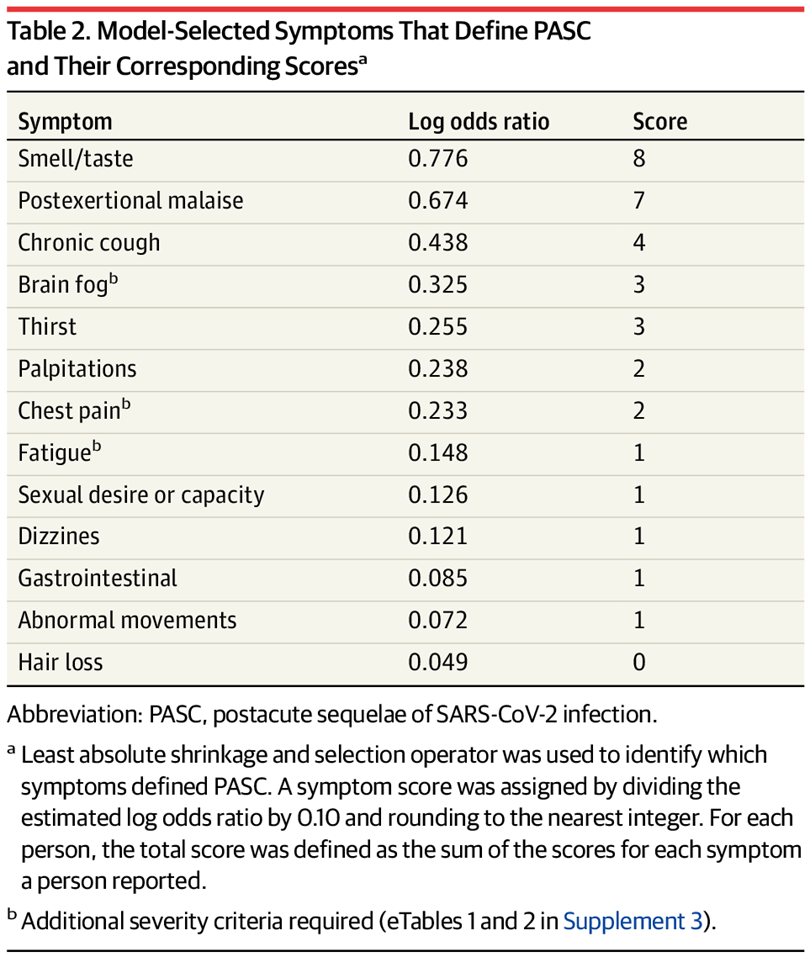
By the fall of 2020, there was emerging and growing evidence for what we now call Long COVID or post-acute sequelae of COVID-19 (PASC). I wrote an update on my blog about this condition yesterday.

However, in 2021, we started seeing signals that there may very well be other serious sequelae from COVID that were flying under the radar. I began to caution the public that there may be other serious long-term effects from COVID-19 other than just Long COVID, but given that we did not have good evidence, I did not go into specifics wanting to avoid being accused of fear-mongering, as so many of us already were.

In today’s blog piece, I am just going to comment on two serious concerns resulting from COVID. There are others, and I have addressed at least five such conditions in previous blog posts (the increase in type I and type II diabetes following COVID, the development of multisystem inflammatory syndrome in children (MIS-C), the later recognized multisystem inflammatory syndrome in adults (MIS-A), postural orthostatic tachycardia syndrome (POTS), and myalgic encephalitis/chronic fatigue syndrome (ME/CFS)).

When a patient tests positive for SARS-CoV-2 infection, develops severe disease, is hospitalized, admitted to the ICU and placed on a ventilator to help keep the patient’s oxygen levels up and the patient has the classic lung changes that we see with COVID, especially in the first two years of the pandemic, it is not difficult to determine that the patient’s death in the hospital when all of our therapies have failed was due to COVID-19. However, we have long realized that there were patients who died within a period of months or even a year following their hospitalization and apparent recovery or simply following a mild or moderate infection that may not have even required medical attention, and certainly not hospitalization, unexpectedly and without another obvious explanation for their death.

One way that we can quantify these deaths that did not occur within 30 days of infection that we often saw with severe disease, but still potentially due to the delayed effects of COVID-19, is to examine so-called “excess deaths.”

Deaths occur every day in the U.S. and across the globe. In large populations, it is fairly easy to project the anticipated number of deaths for an upcoming year by looking at the actual deaths from recent prior years and adjusting for changes in the age distribution of the population. When we see higher numbers of deaths than those projected, we call those “excess deaths.” We also typically divide these deaths into age groups so that we can determine in which age groups those excess deaths are occurring. We also regularly conduct epidemiologic studies to determine the causes of deaths (e.g., automobile accidents, heart disease, cancer, etc.). That gives us a list of the top causes of deaths in the population and even allows for different lists of top causes of deaths for different age groups.

Looking at this data, it was striking to see that there were many warning signs of long-term consequences from COVID. By February of 2022, we saw data indicating that there appeared to be an increased risk of developing a number of cardiovascular disorders following COVID-19, perhaps affecting as many as 4% of all those infected, even with mild disease. Of special concern to me was the mounting evidence that these risks might further increase with each additional reinfection.

By fall of 2022, most of us who study COVID were well convinced that the risk for all kinds of cardiovascular signs, symptoms, diseases and consequences was significantly increased in the year following COVID, including young adults who frequently dismissed the risks of getting infected. In one such study, Excess risk for acute myocardial infarction mortality during the COVID‐19 pandemic – Yeo – 2023 – Journal of Medical Virology – Wiley Online Library, investigators examined excess deaths over a decade (4/1/2012 – 3/31/2022) due to acute myocardial infarctions (AMI) (heart attacks) by age groups. This would give researchers a baseline of heart attack deaths based on trends over a seven-year period prior to the pandemic, as well as a three-year trend during the pandemic.

Before the pandemic, AMI-associated mortality rates decreased across all subgroups, likely due to improved education of the public regarding the importance of blood pressure control, the declines in smoking, and the focus by hospitals of getting people into the cardiac catheterization lab within 30 minutes for interventions that can prevent or at least minimize damage to the heart.

Concerningly, these trends in declining deaths from heart attacks reversed during the pandemic, alarmingly, with the greatest increase seen in younger adults (ages 25 – 44), among both men and women. Excess deaths from heart attacks were most pronounced among those aged 25 – 44 (29.9% relative increase), with relative mortality rate increases ranging from 23 – 34% for the younger age groups to 13% – 18% for older age groups.

And, while many have promoted the narrative that Omicron causes mild COVID, these increases in mortality rates associated with heart attacks persisted throughout the study period, even into the Omicron waves of early 2022.

While it is not proven how SARS-CoV-2 infection precipitates heart attacks over the year following COVID, there are some plausible explanations that I mentioned yesterday in my Long COVID blog post. Namely, SARS-CoV-2 infection causes high degrees of inflammation and can cause micro-clots in some persons. It is believed that the coronary arteries, which carry blood to the heart muscle itself, can become inflamed by the virus and the immune response to the virus (the latter may be more intense in younger adults compared to older adults, potentially explaining why young adults have the highest relative increase in heart attacks following COVID) resulting in narrowing of the arteries and resultant decrease in blood flow to the muscle, which may allow for blockages to the artery from the body’s normal clotting mechanism or by the abnormal micro-clots that we see in some people following COVID-19.

Also in 2022, I had growing concerns about the potential for neurological impairment and diseases following COVID-19. I recall the early studies dating back to March of 2022 revealing that the brain structure could actually be altered following infection as seen on imaging studies, including even a reduction in brain volume, which was very concerning to me. Further, we were seeing more and more patients with neurological signs and symptoms, not just loss of taste or smell and the commonly referred to “brain fog,” but even patients with signs that resembled Parkinson’s disease and rarely patients with a presentation resembling encephalitis (inflammation of the brain with confusion, altered states of consciousness, etc.) that required hospital care.

In yesterday’s blog post, I explained that one theory as to what may be leading to the development of Long COVID is the persistence of virus (or parts of the virus) that may result in ongoing inflammation and overstimulation of the immune system. Recent studies have raised concern that one place where virus or viral components may be persisting is spaces in and around the skull and lining of the brain.

Concerningly, a recent study suggests that ongoing inflammation in the brain may occur even in patients who seemingly had a mild illness with COVID.

We are now seeing that COVID can accelerate the progression of dementia in those with early dementia and can precipitate dementia in those presumably at risk for dementia, but without signs or symptoms of dementia prior to their infection.

A recent study (The functional and structural changes in the hippocampus of COVID-19 patients | SpringerLink) reveals that COVID-19 can stunt the growth of new neurons (nerve cells) in the brain, the process by which the brain repairs itself. This can result in the development of neurodegenerative disorders, including dementia and specifically, Alzheimer’s Disease. The study shows that a part of the brain called the hippocampus, a complex structure that is located deep in the brain and has an important role in memory and learning, is particularly susceptible to injury from the SARS-CoV-2 virus.

There is a very important kind of cell in the brain called microglia, which we previously thought was predominantly a structural support cell, but have learned has an important role in supporting the health of brain cells and the immune response to infections. These microglia are particularly activated during SARS-CoV-2 infection and a cytokine storm-like event (hyperinflammation due to the exuberant release of inflammatory chemicals) can occur inside the brain. With the microglia no longer able to support the repair of neurons, neurodegeneration can occur and the brain, the hippocampus in particular, has diminished ability to repair itself.

I don’t write this blog post to scare anyone. It appears that most people will not develop any of these long-term complications. Rather, I write this to counter the narrative that COVID is over, the pandemic is over, COVID is just a cold or like the “flu, or that COVID is only a threat to the elderly. I merely encourage you to continue to employ precautions when feasible and avoid complacency. I don’t worry for myself. I worry for all the children that we continue to fail to protect, even though schools could implement changes that would not be political or controversial and could keep more kids in school during COVID, as well as our annual cold and flu seasons. Maybe kids will be fine a decade or two from now, even when we allow them to be repeatedly infected and unvaccinated. On the other hand, we are unlikely to know whether they will be fine for many years, and at that point, it likely is too late for those affected.

Unfortunately, no one has a way to identify at this time who will develop long-term problems and who will not. We also should not conclude that we have seen every possible long-term problem manifest by now.

What Do We Think We Know about Long COVID at this Point

You may think that the title is a bit weird, but it is intentional. I am going to give a brief overview of the current understanding of Long COVID. However, I have practiced medicine long enough to understand that our knowledge about who gets certain diseases, why those individuals get the disease, what mechanisms are causing the disease manifestations and treatments for diseases evolve over decades. There are many reasons for this, but the explosion in our knowledge and understanding of immunology and genetics are two of the main ones. In fact, today, we are beginning to use a combination of genetic editing and, in some cases, the use of certain immune cells to treat cancers, and potentially even cure sickle cell disease, something that was once unimaginable by doctors practicing medicine when I started.

Let’s start with what is the definition of Long COVID. Now, you would think this is a simple question to answer – it isn’t. There is not agreement among different countries, researchers or treating physicians as to what criteria must be met for this diagnosis. We can’t even agree on the name – Long COVID, post-COVID conditions, chronic COVID, and post-acute sequelae of SARS-CoV-2 infection (PASC) – to name just a few.

So, here is the definition that the U.S. Department of Health and Human Services came up with:

“Long COVID is broadly defined as signs, symptoms, and conditions that continue or develop after initial COVID-19 or SARS-CoV-2 infection. The signs, symptoms, and conditions are present four weeks or more after the initial phase of infection; may be multisystemic; and may present with a relapsing– remitting pattern and progression or worsening over time, with the possibility of severe and life-threatening events even months or years after infection. Long COVID is not one condition. It represents many potentially overlapping entities, likely with different biological causes and different sets of risk factors and outcomes.” https://www.covid.gov/longcovid/definitions.

Now, as a physician who specializes in the diagnosis of diseases in adults, let me tell you these criteria are not that helpful, especially because the milder symptoms that we see in some patients following COVID can also be reported randomly among the general population. Note that there is no diagnostic test for this condition or host of conditions, unlike blood cell counts for the diagnosis of anemia, blood sugars for the diagnosis of diabetes, etc.

So, the authors of a study published in the Journal of the American Medical Association (Development of a Definition of Postacute Sequelae of SARS-CoV-2 Infection | Neurology | JAMA | JAMA Network) asked the question that all doctors dealing with this condition ask: What symptoms are differentially present in SARS-CoV-2–infected individuals 6 months or more after infection compared with uninfected individuals, and what symptom-based criteria can be used to identify post-acute sequelae of SARS-CoV-2 infection (PASC) cases?

The investigators analyzed data from 9764 participants in the RECOVER adult cohort, a prospective longitudinal cohort study, and 37 symptoms across multiple pathophysiological domains were identified as present more often in SARS-CoV-2–infected participants at 6 months or more after infection compared with uninfected participants (the occurrence of the symptom had to be 50% higher in the infected group vs. the uninfected group). 

The authors were able to use various methodologies, including statistical modelling, to come up with a list of the most differentiating symptoms and a weighting score for each.

This is in part based upon the actual frequency with which certain symptoms are seen in PASC patients (see Figure B below):

Based upon the symptoms the patient presents with and the scores assigned by the weighting methodology above, we can then see in Figure A above that a score of 12 seems to be the threshold for high confidence in the diagnosis of PASC or Long COVID.

While all of this is nice, and certainly is helpful, I have no doubt that our understanding of this disease (or cluster of related diseases) will change and evolve over time. I also believe that we will develop better diagnostic testing for these conditions. We should all keep in mind that given that there appear to be different subgroups of patients with PASC involving a differing predominance of signs and symptoms (e.g., those that predominantly have postural orthostatic tachycardia syndrome (POTS) or those with a myalgic encephalomyelitis/chronic fatigue syndrome-like presentation) and different underlying potential underlying pathogenetic abnormalities (more on this below), it may very well be that SARS-CoV-2 can produce different pathological sequelae in different people that in turn leads to different manifestations and presenting syndromes. Once we understand these better and can differentiate them into different specific syndromes, the data presented above that reflects the combination of all these syndromes may look very different when we can sort patients by specific syndrome. For example, in the study above, the investigators noted that patients seemed to fall into one of four clusters of symptoms: Cluster 1 was characterized by loss of or change in smell or taste; cluster 2 by post-exertional malaise and fatigue; cluster 3 by brain fog, post-exertional malaise, and fatigue; and cluster 4 by fatigue, post-exertional malaise, dizziness, brain fog, gastrointestinal symptoms, and palpitations.

We also need to be careful to evaluate each patient separately to understand their pre-existing and underlying health conditions as well as their severity of illness with COVID. For example, for those patients who developed severe COVID and required critical care services, we need to be able to distinguish Long COVID or PASC from a well-described post-intensive care syndrome which has occurred in patients long before COVID came on the scene and for which there are many overlapping signs and symptoms.

We still don’t fully understand the difference in risk for Long COVID based upon the variant you get infected with. Earlier studies have suggested that Long COVID was more frequent and more severe when people were infected with variants prior to Omicron (before December 2021). Nevertheless, it is staggering to note that even during Omicron, studies have repeatedly suggested that 10% of those infected will develop Long COVID. There have been inconsistent reports of increased risk for Long COVID if people have more than one infection. However, almost every study shows that being vaccinated significantly reduces, but does not eliminate, your risk of developing Long COVID with breakthrough infections.

Although to some, the percentage of infections resulting in Long COVID may seem small, when applied across large populations, the numbers are staggering. For example, recent estimates are that 65 million people across the globe have Long COVID. I don’t think that the U.S. has begun to appreciate what this will mean to businesses as they will at some point likely experience decreased employee productivity and increases in employee health care and disability costs that may lead to price increases and further loss of competitiveness in the international markets.

An article on May 5 of this year published by Fortune (American worker productivity declines 5 straight quarters | Fortune) revealed that employee productivity is declining at the fastest rate in 75 years, at a time when industrialization, Lean operating methods and automation should be increasing productivity significantly and had, until recently. Of course, economists will have to tease out the effects of disruptions to businesses in 2020, whether remote work has increased or decreased productivity, the so-called new state of “quiet quitting,” and other possible confounding factors, but multiple reports have acknowledged that Long COVID is impacting the workforce, for example, https://www.mckinsey.com/industries/healthcare/our-insights/one-billion-days-lost-how-covid-19-is-hurting-the-us-workforce, https://www.cnbc.com/2023/01/30/long-covid-has-underappreciated-role-in-labor-gap-study.html, and https://www.fastcompany.com/90777619/long-covid-is-still-draining-many-workers-heres-how-it-affects-productivity, with one study revealing that 22% of those with Long COVID were unable to work and another 45% had to reduce their hours of work https://www.thelancet.com/journals/eclinm/article/PIIS2589-5370(22)00491-6/fulltext.

We are still evaluating the underlying pathogenesis of Long COVID following infection with SARS-CoV-2. There is mounting evidence for persistence of either viral proteins or viral RNA in various tissues, months after infection. This could indicate that in some of those with Long COVID, the immune system has been weakened in such a way that the body’s natural protection cannot effectively kill and clear the virus, or that the virus is finding areas of the body in which the cells of the immune system cannot effectively enter and destroy the virus. Persistence of virus can lead to a chronic inflammatory state that may be a factor in the symptoms experienced by those with Long COVID. To explore this hypothesis further, a study is now underway to treat patients with Long COVID with a 15-day course of Paxlovid (this is three times the normal duration of treatment with this antiviral drug that is used to prevent severe outcomes in patients at high risk who are currently infected with SARS-CoV-2) in order to see whether the antiviral can help the body rid itself of the virus and then subsequently relieve the signs and symptoms of Long COVID suffered by these patients.

We have also detected the reactivation of latent viruses such as Epstein-Barr virus and certain herpes viruses with COVID that may play a role in whether someone is at higher risk of developing Long COVID.

Another possibility is that changes can occur due to the inflammation from an acute SARS-CoV-2 infection, both at the site of infection, and in distal organs such as the brain. Even a mild SARS-CoV-2 respiratory infection can result in long term changes in the brain.

It also appears that many people with Long COVID have micro-clots (small blood clots that are not normal blood clots, but intertwined with abnormal proteins), and it is suggested that these clots may be interrupting the blood flow in small blood vessels, perhaps decreasing oxygenation of some tissues and organs that might in turn cause some of the signs and symptoms we see in some Long COVID patients.

There is also evidence that SARS-CoV-2 may interfere with an important cellular structure, called mitochondria, that are important for the generation of energy needed for proper cellular function.

A surprising number of people with Long COVID have autoantibodies (antibodies produced by the body against its own cells or cellular components. Autoantibodies, too, can produce a state of hyper-inflammation, which as I noted above may be a contributor to Long COVID signs and symptoms.

It may be that we still haven’t identified the exact causative factor in the development of Long COVID, or it could be that some combination of the factors above contributes to it.

The good news is that there is much research going on in this area, and we are sure to learn more over the next few years. For now, for minimizing your chances of developing Long COVID and some other serious health issues that I will discuss in future blog posts, I give everyone the following advice:

If you have not yet been infected, stay current on the vaccines and try to continue to avoid infection as long as you can.

If you have been infected, stay current on the vaccines and try to avoid a reinfection for as long as you can.

I remain concerned that there is much we still do not know about the long-term health implications of infection with SARS-CoV-2.

Preparing for the Next Global Outbreak

A Guide to Planning from the Schoolhouse to the White House

This day has been a long time coming. Our book is officially released today!

You can access our book from local bookstores, Walmart (beginning 4/24) and many other distributors, including:

  1. Through Johns Hopkins University Press https://www.press.jhu.edu/books/title/12896/preparing-next-global-outbreak.
  2. Through Amazon https://www.amazon.com/s?k=preparing+for+the+next+global+outbreak&i=stripbooks&crid=1QOIUSEF2AJ7L&sprefix=Preparing+for+the+next+%2Cstripbooks%2C169&ref=nb_sb_ss_fb_1_23

In print, Kindle version or audiobook.

How did this book come to be?

In May of 2020, while I was learning everything I could about this novel virus and the disease it causes; providing 4 – 5 press and media interviews/day; fielding calls from friends, family and business owners seeking advice as to how to mitigate their personal or business risks; answering questions and providing education on Twitter (@drpatesblog); talking to local health care leaders; learning what I could from and asking questions of virologists, epidemiologists, immunologists, and infectious disease physicians; and serving on the Governor’s Coronavirus Work Group, my wife suggested that I write a book about all this. I remember my response: “I don’t have any time to write a book.” All of the above activities consumed every day as well as the majority of the day.

In late summer, some private schools asked for my help as they prepared for their fall opening. In October, a large public school district asked for my help the week before teachers threatened to call in for a sick day and parents had begun picketing because almost everyone was unhappy with the school district’s handling of the pandemic.

In late November, I received a call from a dear friend and colleague – Dr. Ted Epperly. Dr. Epperly is President and CEO of a network of federally qualified health centers that care for disadvantaged Idahoans and he runs the Family Medicine residency training program in Idaho. He had served on the Central District Health board – the largest public health district in Idaho – for 15 years, until the Ada County Commissioners decided to replace him with a physician who was promoting disinformation about COVID-19 and particularly anti-vax misinformation.

I remember the call well: “David, we should write a book together.” Well, now two people who were important to me were saying the same thing. I remember thinking at the time that the US and the world had gotten so much of this wrong, and I did feel that it was important to document the mistakes, the successes and the lessons learned given that a future pandemic is certain, and we cannot afford to repeat the same mistakes. I also remember thinking that there certainly have been books written about past pandemics, but not a book that had the kind of behind-the-scenes details of what happened and the lessons learned from those pandemics. Seeing the need for a book that would actually help prepare us for the next pandemic based upon the lessons from this one, I answered Dr. Epperly, “yes,” before we hung up.

What is this book?

The book contains 117 recommendations for those whose responsibilities include pandemic and public health emergency planning and for those from the World Health Organization to the CDC, to the White House, to state and local elected leaders to school leaders and their school board members. While this book should be of interest to all public health and health care leaders, many people throughout this pandemic realized that they did not often get good, reliable advice and may be very interested in the book as they realize that during the next pandemic (which I will be greatly surprised if we do not experience within a decade), they need to be in a position to discern multiple sources of conflicting information to decide the best course for themselves and their families.

This is not really a book about the COVID pandemic, rather it is a book about preparing for the next global outbreak based on the lessons learned from the COVID pandemic.

What does the book cover?

Chapter 1: The SARS-CoV-2 virus and the COVID-19 pandemic

In this chapter, we recount how the COVID-19 pandemic unfolded abroad, in the US and in Idaho. We explain a lot of the concepts about how a novel virus is transmitted, infects people and is spread across countries and continents. We introduce many essential concepts of epidemiology, virology and immunology. We also discuss the concepts of herd immunity and post-viral syndromes. We also provide our first 12 recommendations in this chapter.

Chapter 2: Pandemic Surveillance and Early Response in the Future

The COVID-19 pandemic gave us many opportunities to see how delayed our recognition of an outbreak of a novel virus can be, especially if that outbreak occurs in a closed society or highly authoritarian one, and how inadequate our current responses are to contain the outbreak. Our travel bans did little to contain the entrance of the virus into the US, in fact, the first identified case entered the US days prior to the implementation of the travel ban. We also saw how ineffective our symptomatic screenings of passengers arriving from another country were. In this chapter, Dr. Epperly and I provide 6 recommendations to improve both our surveillance and response to future outbreaks.

Chapter 3: The Intersection of COVID-19 and Society

We saw the profound impact social media played in this pandemic. Further, we saw how politics dominated the pandemic response, including at the highest levels of the federal government to the most local of politics – school boards. We provide 17 recommendations in this chapter.

Chapter 4:  The Haves and Have-Nots

We have known that there are intrinsic racial and ethnic disparities embedded in the US health care system long before this pandemic. However, these became amplified during the pandemic. While much has been written on this general topic, we provide 4 recommendations with respect to the handling of the next pandemic.

Chapter 5:  The Growing Fire

In this chapter, we discuss the public health reactions and interventions and the public push-back to those measures. We make 7 recommendations for the future.

Chapter 6:  Man versus Virus

In this chapter, we explore examples of differing public health responses on the part of countries, states and even counties and the resulting outcomes achieved. We make 2 recommendations in this chapter.

Chapter 7: Needed Changes to the Federal Response

In this chapter, we make 9 recommendations for changes to the federal preparedness and response to future pandemics. One huge issue that is not receiving near enough attention is the vulnerabilities of our national stockpiles and supply chains.

Chapter 8:  The Future Role of the States

The COVID-19 pandemic demonstrated that, absent changes to our federal approach to future pandemics, states will carry the heaviest burden. States must make changes to their public health emergency plans accordingly, and we would recommend a reevaluation of the state’s public health structure and infrastructure, including considerations of state stockpiles.

Chapter 9:  Preparing Future Doctors, Nurses, and Public Health Workers for the Next Pandemic

This current pandemic exposed national and regional shortages of health care professionals, and also demonstrated the pressures that could be placed on our health care capacity due to health care workers being infected or exposed to the virus. In our careers, neither Dr. Epperly or I have ever seen the amount of hostility and disrespect shown to health care and public health workers. As a consequence, we are seeing the early retirements, resignations or change in type of work in all of these groups of professionals that is further threatening pre-existing shortages. We make 10 recommendations in this chapter that are of urgent and great importance given that we don’t know how much time we have until the next pandemic.

Chapter 10:  Preparing Public Health Departments for the Next Pandemic

Since the many advancements in the 1900s involving sanitation, water quality and food handling, the investments in public health have dwindled. The new threats of global travel, ecological pressures resulting from man’s continued encroachment on wildlife habitats and the increasing proportion of new, emerging infections that are the result of zoonotic transmission (animal -> human) have been underappreciated and under-funded by legislative bodies. We make 12 recommendations in this chapter relating to improving and strengthening our public health infrastructure and functioning in preparation for the next pandemic.

Chapter 11:  The Rejection of Science

During the pandemic. We experienced an overwhelming push of misinformation, disinformation and conspiracy theories, often promoted by well-organized, well-funded groups, as well as foreign adversaries, in a very coordinated manner that undermined our public health efforts to a very significant degree. We provide 6 recommendations to better confront these efforts in the next pandemic.

Chapter 12:  Dangerous and Erroneous Approaches

In this chapter, we review two failed approaches to bringing this pandemic under prompt control – the sequestering of elderly and high-risk individuals and the promotion of infection in the others in order to achieve “herd immunity,” and the considerations involved in these two approaches for future pandemics. We make 3 recommendations.

Chapter 13:  Vaccines and Variants

We first review considerations for the development of new vaccines in response to a future novel virus, as well as some recommendations on implementation of vaccination programs. We then discuss the risk for development of variants with failure to control the wide-spread transmission of a novel virus, especially RNA viruses. We provide 5 recommendations.

Chapter 14:  Preparing Schools for the Next Pandemic

This is my wife’s favorite chapter, and I suppose mine as well. It is a critically important chapter because schools play a critical role in the transmission of epidemic and pandemic viruses. It is our favorite chapter because we provide new and original recommendations that I developed while advising schools that are effective and can be of tremendous benefit to school leaders and board members who are generally ill-equipped to manage a pandemic response with poor guidance from federal public health authorities. We provide 6 recommendations in this chapter.

Chapter 15:  Leadership Lessons from the Pandemic

There are many leadership lessons resulting from how various leaders at all levels of government and the US health care system handled the pandemic. Some leaders excelled during this time, many failed, and most were in between. We discuss these leadership lessons and attributes and provide our final 10 recommendations.

Chapter 16:  Recommendation Checklists

In this chapter, we pull out all of our 117 recommendations and conveniently group them by type of organization that will be involved in the preparedness for the next pandemic and management of it. This is intended to assist all these types of organizations as they hopefully will now update their pandemic plans.

My 2 cents on ending mask requirements in hospitals

People who follow my blog or follow me on Twitter will not be surprised that I disagree with the decisions made by some hospitals to end mask requirements in healthcare facilities. In fact, I previously wrote a blog piece as to why.

However, I also realize that health care leaders are dealing with very challenging situations and enormous pressures to end their requirements, especially when others in their service area end theirs. So, while I may not have agreed with the decisions, I certainly would have provided them with advice that might have helped them better formulate their new policies and communicate their decisions to the community. Perhaps lessons from some hospitals or health systems that have already announced their decisions might help those considering such a move.

Timing

When I ran a health system and had to make decisions that I knew were likely to upset some people (in other words, almost every decision I made), I always tried to understand why my decision might upset those people and how it might negatively impact them, so that I could consider whether I could come up with a solution that would mitigate that harm resulting from the decision. In this case, I suspect that many people would celebrate the end to masks, as they have already abandoned masks long ago, if they ever adopted them in the first place. So, who would potentially be negatively impacted by the decision and why?

Well, I can tell you from the people that I talk to who some of these people are – those who are at high risk and have therefore been doing all that they can to protect themselves and those who are not at high risk but are concerned about getting infected or getting infected again and potentially transmitting the infection to someone they love who is at high risk.

So, the first thing I would have advised is acknowledge these folks and their concerns. One concern many have is that their last booster was in September or October and they know that their protection is likely waning by now. It is widely anticipated that the FDA Commissioner and CDC Director may authorize another booster for these high-risk patients in roughly 1 week. Let me repeat that – one week.

It was a missed opportunity to not state something like: “Out of concern for the health and well-being of our most vulnerable patients, this new policy will not go into effect for two weeks (for example) to allow those who wish to be boosted an opportunity to do so before this new policy goes into effect. In fact, we will be offering vaccinations [at these locations and at these times with priority for those at high risk or scheduled hospital visits or procedures].”

I can tell you that I talk to immunocompromised patients all the time who seek out my advice. They have felt that society has abandoned them for the past three years, which is largely true, but they always felt that at least their health care providers would protect them. Nothing in the messaging I have seen from several organizations acknowledged these patients nor expressed concern for them. The statement above could have helped at least show a little sensitivity towards them.

Rationale

Be as transparent as you can be and if you can’t or won’t share the rationale, then tell the audience that; don’t provide an alternative rationale that is not true or accurate.

In every public statement I have seen, the rationale begins with a less than convincing argument or even misinformation, usually something to the effect of low community transmission rates, or a decline in community transmission rates or a “review of the latest COVID-19 data.” In each case, I have then looked up the community transmission levels in the locale of those hospitals and health systems, and to my surprise (to clarify, I am not surprised by the community transmission levels I saw, but by the fact that those organizations would characterize those transmission levels as low or as any justification that masks are no longer needed) the levels are not at all consistent with what the hospital or health system is offering as its rationale.

    Now these are pretty sophisticated health care organizations. Its not like they don’t know how to interpret the data correctly. It generally would lead me to conclude that they either have other data or other reasons, but for some reason don’t want to be transparent about it. I think that is a mistake. First, if you use a rationale that is demonstrably false, you gaslight those who know better and you are losing credibility and trust. It is hard to regain either once lost.

    This is particularly regrettable at a time when there are so many who are promoting misinformation and disinformation and convincing the public that they are knowledgeable experts. When those in the public who want to know the facts so that they can make their own health decisions don’t know who to trust, they have always been able to turn to their doctor and/or local hospital. If they can no longer trust their doctor and their hospital to give them the facts and truth, then I fear where they will turn to for their advice. Worse, those hospitals and health systems lose the high ground to call out other misinformation and disinformation being spread in their communities.

    There have been many times when my leaders have not been able to agree to a recommendation on a challenging issue.  In those cases, I had to make the decision knowing that I would please some and disappoint others who I worked with everyday and greatly respected and cared for. Those are difficult decisions to make. But, in each case, I would acknowledge the different points of view, thank them for their input and then carefully explain my decision including my reasoning. Obviously, I would never know whether I reached the right decision for days, months or years, but in every case, those who were disappointed with my decision always knew that I carefully considered all the input and could at least understand my reasoning, even though they still might have reached a different conclusion were they the CEO.

    Given what we have been through this past three years, I can understand that leaders may be reluctant to deliver what some will consider to be bad news. I would advise these leaders that reasonable people understand that difficult decisions have to be made, and they can accept those decisions better if leaders will treat them like reasonable people and tell them the reasons behind the decision and don’t insult them by misrepresenting the reasons or sugar-coating them. And, as for the unreasonable people, there is nothing you can tell them that will make them change their minds, so just focus on the reasonable people (who despite what you might conclude from social media, is still the majority of people).

    Don’t throw in extraneous and irrelevant reasons in an attempt to buttress an already weak rationale.

    Each of the public announcements or pronouncements I saw made reference to declines in other respiratory viruses, with one organization going so far as to pronounce an end to the flu season! As to the latter, again, why state something that is verifiably false? Although influenza transmission has declined significantly, this influenza season is not officially over and there are still more than one thousand people hospitalized in the US with influenza, so avoid stating things that will merely undercut your credibility. Either tell us your real reasoning, or tell us that you cannot share your reasoning with us, but don’t make stuff up.

      Now, why do I say that you shouldn’t throw in the fact that other respiratory virus transmission has gone down to buttress your rationale for ending your mask requirement? Because now you have just told the public that respiratory virus transmission in the community is a material factor in deciding whether to require masks or whether to end masking. There is a new variant in the US that is causing serious problems in some other countries. If that variant does the same thing in the US in, say July (when the influenza season really will be over) and there are many patients being admitted to the hospital with COVID-19, staff are getting sick, the spread of COVID to hospitalized patients has increased and you now want to explain to the public why masks are being required, when asked why you are reinstating masks since there are very low levels of circulation of other respiratory viruses, do you now have to twist yourself in knots explaining why that really doesn’t matter after all? And, in November or December, when there is a large circulation of respiratory viruses, but no significant new surge from SARS-CoV-2, what is your reasoning then for not implementing a mask requirement, when a reporter or the public questions why low circulation of respiratory viruses is a reason for ending mask requirements, but high levels doesn’t seem to be a basis for implementing mask requirements?

      Empathy

      There seems to be a widespread deficiency of empathy. The public statements I have read have been short in length and lacking in any acknowledgement or consideration for those who will now be in fear for their safety in one of the few places they rely to keep them safe.

        My advice would have been to acknowledge this fear and impact, especially when I see language in some statements such as “this has been a very thoroughly considered decision.” Maybe it was, but if you don’t address “the elephant in the room,” those who are in fear are not going to believe that it was thoroughly or carefully considered.

        When you are taking something away (as some of those who are at high risk will perceive this), then tell them what you are doing to mitigate that loss or help make up for it as an acknowledgement that you know that this decision may be placing them at additional risk. For example, can you provide any reassurance that xx% of our patient care staff are fully vaccinated and up-to-date? Or can you state that only those who are can go maskless, but other staff who are not will continue to be required to mask (as is commonly done in handling influenza vaccinations)? Or can you state that all staff are screened for temperature and symptoms daily? Or is there still testing of all new admissions to the hospital? Is there any periodic testing of staff? Can you at least explain to the public what changes you have made in ventilation, filtration and/or air treatment? What about special accommodations for those who are at high risk? For example, can you provide a clinic or urgent care facility where you will keep masking in place that they can access for care? Can you offer high risk patients a separate waiting area that has high rates of air exchanges and HEPA filtering and where everyone in that room is required to wear masks? I think most of the immunocompromised and high-risk patients I talk to would see this as a sign that at least the health care facility cares about their health conditions and is trying to find a compromise to balance the competing interests of those who can’t wait to be rid of masks and those who feel that their lives may very well depend upon them.

        In other words, the message solely conveying we are going mask optional is very different than we are ending the mask requirement, but at the same time, we understand that without masks, high risk patients will now be at higher risk in the hospital than in their homes, so we are making these additional accommodations for them. Empathy goes along way, even when you feel unable to fully address someone’s concerns.

        For the love of God, please have someone who is not intimately involved in the decision read your statements and policy before you publish them.

        I have been in this situation countless numbers of times. I have been working on some document very hard and very long, I have read it twenty times, and I think it makes perfect sense to me. The problem is that you have blinders on. Especially, when it is a big change, a change that you know is risky or a change that you know is going to upset some people. Then, I get my assistant to read it, my editor to read it, a board member to review it, or if it is not confidential or sensitive, I may have my wife read it. It is amazing how many times I thought I was saying one thing and the person took it the other way or they catch a glaring omission. Sometimes, they find that I wrote something stupid.

          So, could that have helped these hospitals and health systems? Absolutely. What are some examples?

          Amazingly, but probably because those who drafted these documents just assumed this to be the case, while all of these public documents mention that there will be some circumstances where masking will still be required (e.g., in a bone marrow transplant unit or in a long-term care facility), not one of them states that patients with probable or confirmed COVID-19 and their visitors and their caregivers will be required to mask! Of course, there are situations in which the patient cannot be masked, but this is an obvious concern to those who are at high risk who may have to receive care in a health care facility. Why not just come out and reassure these folks?

          Here’s another example. One policy that I saw stated: “Symptomatic visitors are discouraged from visiting.” WHAT!?!?! So, someone is burning up with fever and having frequent coughing fits and you’re going to tell them, “We would discourage you from visiting, but ultimately, it’s your choice”?

          One final point, since I think I have made my point. In one document I read explaining some of the areas of the hospital where masking will still be required, it stated something to the fact of “masks will still be required in our operating rooms,” at which point I sprayed the coffee in my mouth all over my laptop. Good heavens, while I was just beginning to try to come to grips with the idea that you aren’t going to require masks in a hospital, now you imply to me that you considered whether to continue wearing masks in the operating room!?!! I didn’t even realize that was a possibility until you pointed that out.

          Be internally consistent

          This is one of the most frequent problems I see when I review hospital policies. This was a flagrant problem with visitor policies early in the pandemic. As an example, many hospital policies would allow for a visitor with a laboring mother, but not with a patient who had undergone surgery and is still woozy from the anesthesia and pain medications.

          What I now see is announcements that generally state something to the effect that “patient safety is our highest priority.” In one case, a health system offered the statement that: “Masks have been, and continue to be, an effective tool for preventing the spread of infections by respiratory route.” But, “we are ending our mask requirement!” What!?!? How does that make any sense when you just said nothing is more important than keeping your patients safe and masks are effective at doing so?

          Anticipate questions from patients, families and the public.

          • If a patient contracts COVID while in the hospital, will you tell the patient and their family?
          • If a patient was exposed while in the hospital, e.g., a nurse caring for the patient yesterday is out sick today and tests positive for SARS-CoV-2, will you notify the patient and family?
          • If a patient was exposed, will you do serial testing of the patient?
          • Are you still quarantining infected staff members and isolating close contacts? Will staff returning to work after 5 days of isolation for COVID-19 still be required to mask for at least an additional 5 days or does mask optional apply to them as well?
          • How will you know if your decision was wrong?

          While there certainly may be real-life circumstances for making this decision, few experts in the field would be able to say that the decision is consistent with the science or evidence at present. So, what steps are you taking to monitor the impact of this decision and to identify quickly if the decision results in patient harm? Will you be tracking nosocomial COVID-19 before and after the decision and making that data available to the public? Will you report the outcomes of nosocomial SARS-CoV-2 infections? Will you be monitoring infections among especially vulnerable patients in the hospital and in the immediate period post-discharge, such as neonatal ICU patients, newborns, young children, pregnant women, etc.? Will you be monitoring infection rates among staff? What change in metrics would cause you to revert back to mask requirements?

          Many people, like me, were experiencing shock and awe with these announcements. Being honest; being as transparent as you can be about the real rationale for the decisions, including sharing data where applicable; not trying to distract us with irrelevant and extraneous reasons for the decision; demonstrating empathy for those who will be negatively impacted by the decision, particularly if you can also offer some alternative measures that you can adopt to mitigate the potential harms resulting from the decision you are making; not overlooking the obvious; avoiding stating stupid things; and being internally consistent will make a huge difference in delivering a message that is going to be controversial and upsetting to some. An additional nice touch, especially when you can’t be sure that things might not get worse with your decision, is to simply acknowledge that, explain how you will monitor the situation to identify quickly if things are getting worse, and what you do in that event.